

Steel Toe vs Composite Toe Safety Shoes: Which Should You Choose?
Head-to-Head Comparison
| Feature | Steel Toe | Composite Toe |
|---|---|---|
| Weight | Heavier (+100–150g) | ✓ Lighter |
| Protection Level | ASTM F2413 / EN ISO 20345 | ASTM F2413 / EN ISO 20345 |
| Electrical Safety | ✗ Conducts electricity | ✓ Non-conductive |
| Temperature | Conducts heat/cold | ✓ Temperature neutral |
| Metal Detectors | ✗ Triggers alarms | ✓ Passes through |
| Price | Lower | Slightly higher |
| Best For | Heavy industry, demolition | Electrical, airports, long shifts |
⚙️ Steel Toe — Pros & Cons
Pros:- Extremely strong under heavy impact
- Thinner profile — more toe box room
- Lower cost
- 100+ year proven track record
- Heavy — adds significant weight
- Conducts temperature (cold in winter)
- Conducts electricity
- Triggers metal detectors
🚀 Composite Toe — Pros & Cons
Pros:- Up to 30–40% lighter than steel
- Non-conductive — safe for electrical work
- Temperature neutral
- Airport/security friendly
- Slightly thicker toe profile
- Generally more expensive
- Can crack under extreme repeated impacts (rare)
The Weight Factor: Why It Matters More Than You Think
The average worker takes 8,000–15,000 steps per shift. A steel toe shoe typically weighs 100–150g more per foot than a composite toe equivalent.
Over a 10-hour shift at 12,000 steps, you're lifting an extra 1,200 kg of cumulative extra weight per foot — nearly 2.5 metric tons of additional effort every single shift.
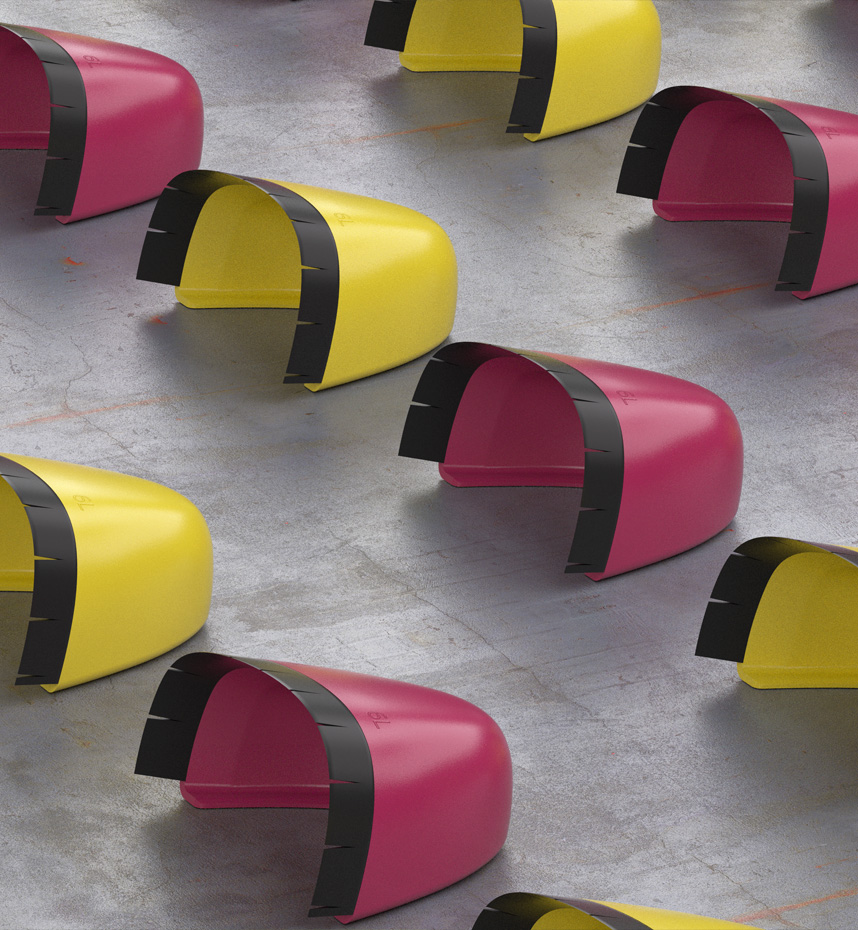
SPIEZ ShieldX™ Composite Toe Technology
- 60% lighter than steel — significantly reduces fatigue
- Non-conductive — safe for electrical environments
- 200J impact rated — meets EN ISO 20345 and ASTM F2413
- Temperature neutral — comfortable in any climate
Recommended SPIEZ Safety Shoes
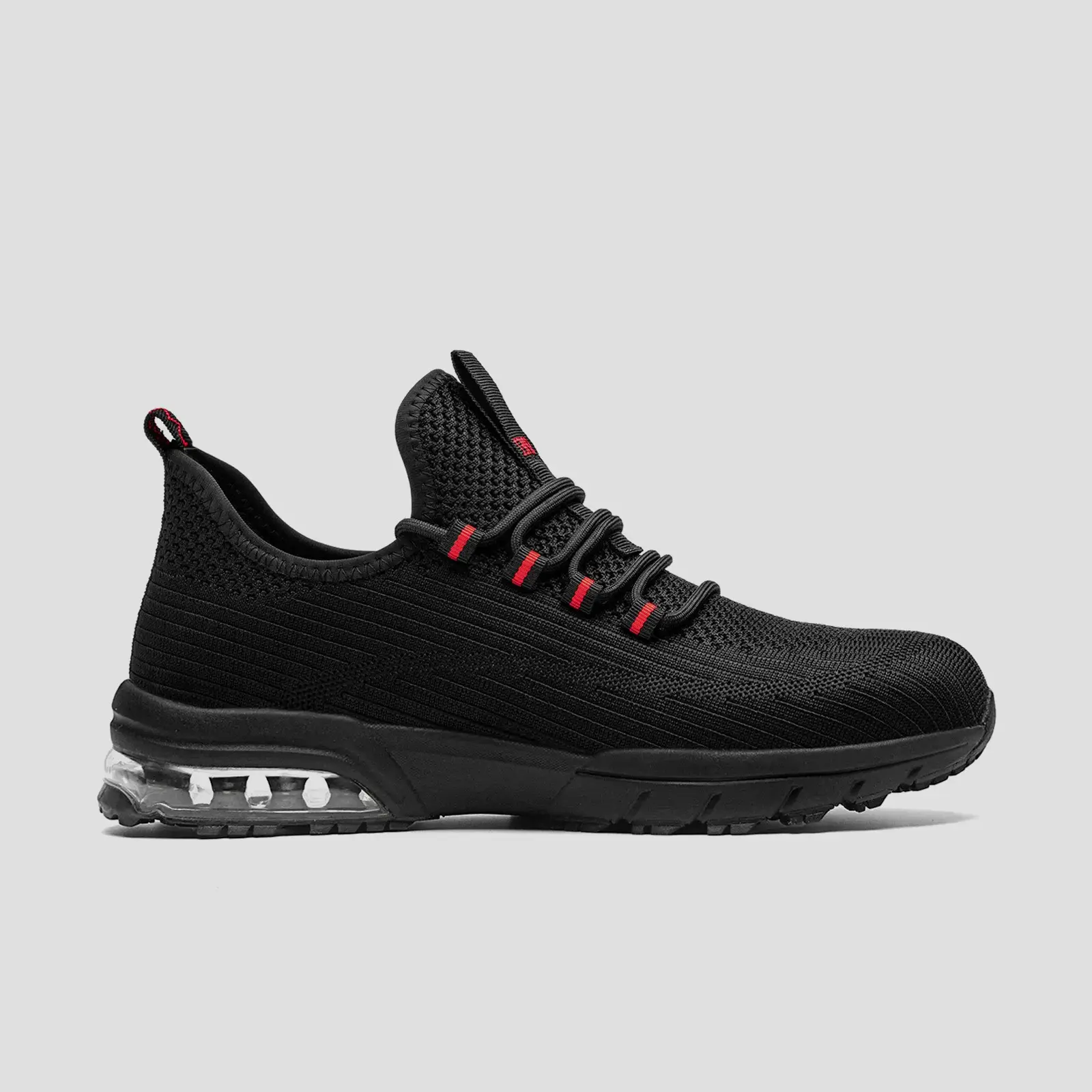
Geneva 060B — Composite Toe Safety Shoe
ShieldX™ composite toe, SRC slip-resistant outsole, lightweight sneaker-style design. Full EN ISO 20345 and ASTM F2413 compliance.
Shop Geneva 060B →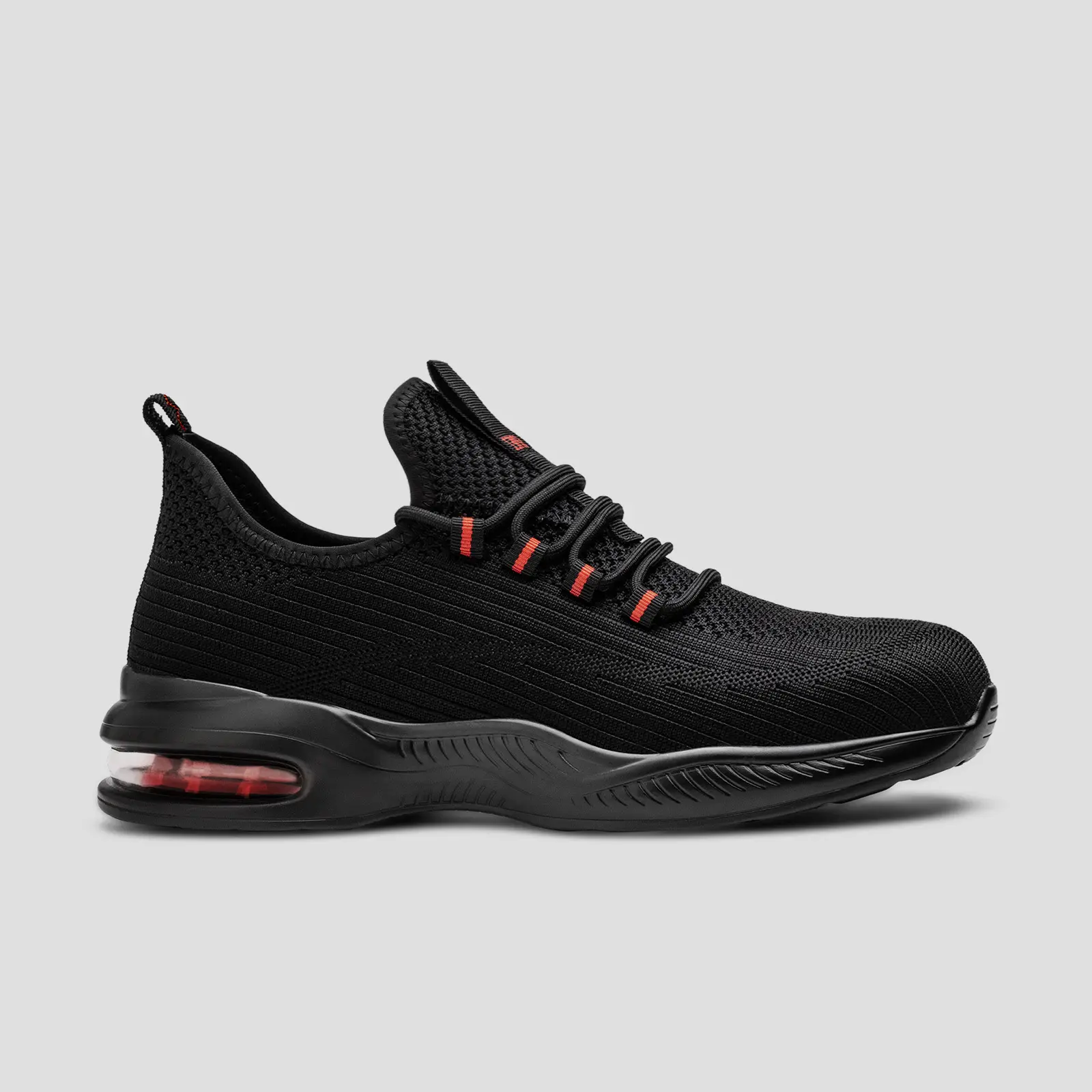
Geneva 113 — Athletic Safety Shoe
Athletic-style composite toe safety shoe with SRC slip resistance. Non-conductive ShieldX™ toe cap — safe for electrical environments.
Shop Geneva 113 →.jpg?w=1856&h=2304)
Grindelwald 371 — Safety Boot
Mid-cut safety boot with composite toe, aggressive outsole, and waterproof construction. The workhorse for demanding job sites.
Shop Grindelwald 371 →The Verdict
For most workers in 2026, composite toe is the better choice — same protection, less weight, more comfort, and broader workplace compatibility.
Steel toe still makes sense for heavy demolition with extreme crushing hazards, or when budget is the primary concern.
Frequently Asked Questions
Are composite toe shoes as safe as steel toe?
Yes. Both can meet the same ASTM F2413 and EN ISO 20345 safety standards. The protection level is determined by testing, not material.
Can you wear composite toe shoes in construction?
Absolutely. Composite toe shoes meet all OSHA requirements for construction safety footwear. Many construction workers are switching to composite toe for the weight savings.
Why are composite toe shoes more expensive?
The materials (carbon fiber, Kevlar, fiberglass) cost more than steel. However, the price gap has narrowed — many composite toe shoes are now only $10–20 more than steel equivalents.
Do composite toe shoes last as long as steel toe?
In normal use, yes. Composite toe caps don't dent or rust like steel can. For 95% of workers the durability is equivalent.