

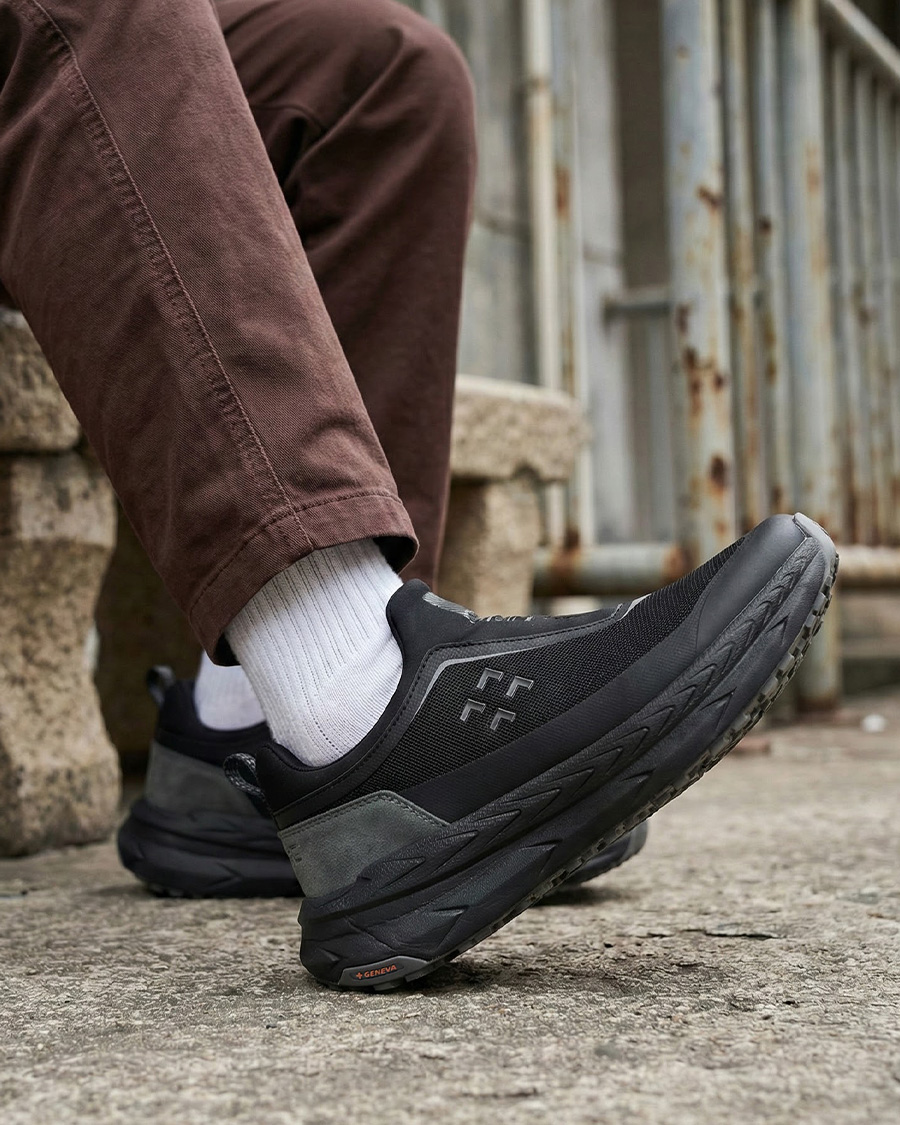
Work Shoe Care Guide: How to Make Your Safety Shoes Last
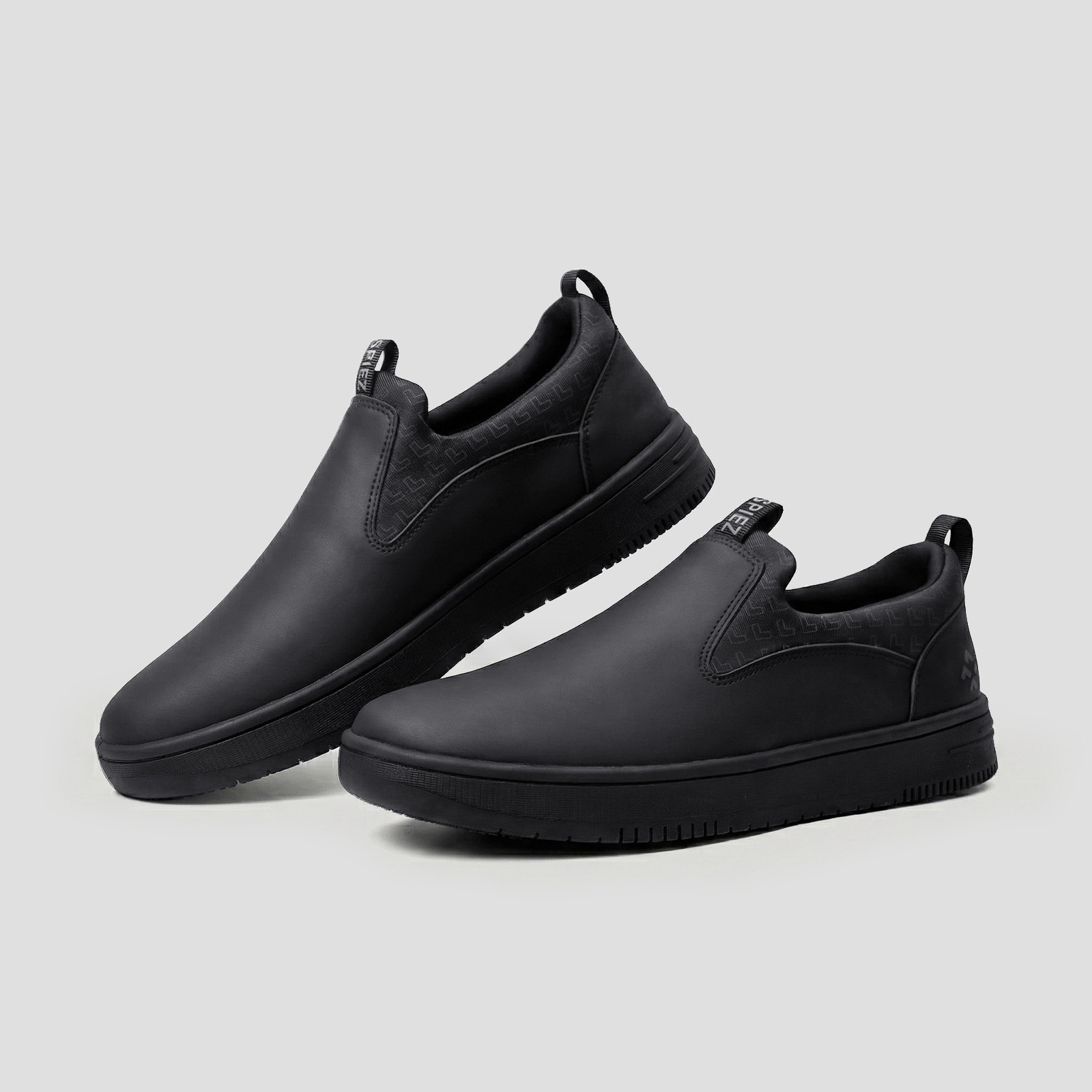
Daily Care Routine (5 Minutes After Every Shift)
Remove & Inspect
Check for cuts in the upper, sole separation at edges, unusual wear patterns, and any embedded debris (nails, glass, sharp objects).
Clean the Outsole
Use a stiff brush to remove mud, food debris, and grease from the tread channels. Clogged tread dramatically reduces slip resistance.
Wipe the Upper
Smooth/synthetic uppers: damp cloth with mild soap. Mesh uppers: soft brush. Leather: leather-specific cleaner.
Remove Insoles
Pull out insoles and let them air separately. This dramatically speeds drying and prevents bacterial buildup.
Air Dry
Place shoes in a well-ventilated area at room temperature. Never use direct heat — it destroys foam cushioning and waterproof membranes.
Drying: The Most Important Step
✅ Do
- Air dry at room temperature
- Remove insoles first
- Stuff with newspaper to absorb moisture
- Use a fan to increase airflow
- Allow 24 hours to fully dry
❌ Don't
- Use a clothes dryer
- Place near radiators or heaters
- Use a hair dryer
- Leave in a hot car (70°C+)
- Wear damp shoes
Weekly Deep Clean by Upper Type
| Upper Type | Method | Notes |
|---|---|---|
| Smooth/Synthetic (most SPIEZ) | Mild soap + soft brush, rinse, air dry | Easiest to maintain |
| Mesh | Soft brush, gentle scrub, thorough rinse | Don't scrub aggressively |
| Leather | Leather cleaner → conditioner → buff | Condition monthly to prevent cracking |
| Outsole (all types) | Stiff brush + degreaser, rinse | Degrease weekly for kitchen workers |
Insole Care & Replacement
.jpg?h=1600&q=80&w=1600)
Matterhorn Arch Support Insoles
Factory insoles compress faster than the midsole and harbor bacteria. The Matterhorn insoles restore cushioning and add contoured arch support — the highest-ROI upgrade most workers overlook.
- Contoured arch support
- Heel cup for shock absorption
- Metatarsal pad for ball-of-foot relief
- Compatible with all SPIEZ shoes
When to Replace: The Decision Framework
Replace Immediately If:
- Toe cap is cracked or deformed (safety compromise)
- Sole has separated and can't be repaired
- Puncture through the midsole
- Waterproofing has completely failed in a wet environment
Replace Soon If:
- Outsole tread is worn smooth (slip resistance compromised)
- Midsole no longer provides cushioning (thumb-press test fails)
- Persistent odor despite cleaning
- Upper is cracking or separating at seams
Typical Replacement Timeline
| Use Intensity | Expected Lifespan |
|---|---|
| Light (4h/day, 5 days/week) | 12–18 months |
| Moderate (8h/day, 5 days/week) | 8–12 months |
| Heavy (10h+/day, 6 days/week) | 6–9 months |
| Extreme (construction, heavy industry) | 4–6 months |
The 3 Habits That Double Shoe Life
1. Clean after every shift — Remove debris, wipe down, air dry
2. Rotate two pairs — Let each pair fully recover between shifts
3. Inspect monthly — Check tread, cushioning, and structural integrity
Frequently Asked Questions
Can I put work shoes in the washing machine?
Generally no. Machine washing can damage waterproof membranes, loosen adhesives, and deform shoe structure. Hand washing with mild soap and water is safer and more effective.
How do I get rid of work shoe odor?
Remove insoles and wash them separately. Sprinkle baking soda inside the shoe and leave overnight. Ensure shoes are fully dry between wears — moisture is the primary cause of odor.
Can I repair separated soles?
Yes, if caught early. Clean both surfaces, apply Barge cement or similar shoe repair adhesive, clamp firmly for 24 hours.
How do I know if my safety shoes still provide protection?
The toe cap should be intact with no visible cracks. The outsole should have visible tread pattern. The midsole should still provide cushioning (thumb-press test). If any of these fail, replace the shoes.
How often should I replace insoles?
Replace insoles every 3–6 months, or when they no longer spring back when compressed or have developed permanent foot impressions.