

(1)-3.jpg?w=900&h=873)
Every day, nearly 11,000 slip-and-fall incidents happen in American restaurants alone. A single workplace slip injury averages over $40,000 in direct costs. Across all industries, slips, trips, and falls cost employers billions annually — and Liberty Mutual's 2024 Workplace Safety Index flagged them as one of the top causes of disabling workplace injuries.
The right pair of non-slip work shoes isn't a comfort choice. It's a financial and safety decision that protects you, your team, and your bottom line.
### The Numbers Don't Lie
- **11,000** slip-and-fall incidents per day in U.S. restaurants
- **$40,000+** average direct cost per slip/fall injury
- **$2 billion+** annual cost to the hospitality industry alone
- **4.5x** more in paid losses compared to other workplace injuries
- Slip injuries require **twice as many recovery days** as other incidents
OSHA's walking-working surfaces standards (29 CFR Part 1910, Subpart D) cover most slip hazards. One Texas manufacturer was cited **$299,591** in penalties for exposing employees to slip-and-fall hazards. This isn't optional.
### What Makes a Shoe Truly Slip-Resistant?
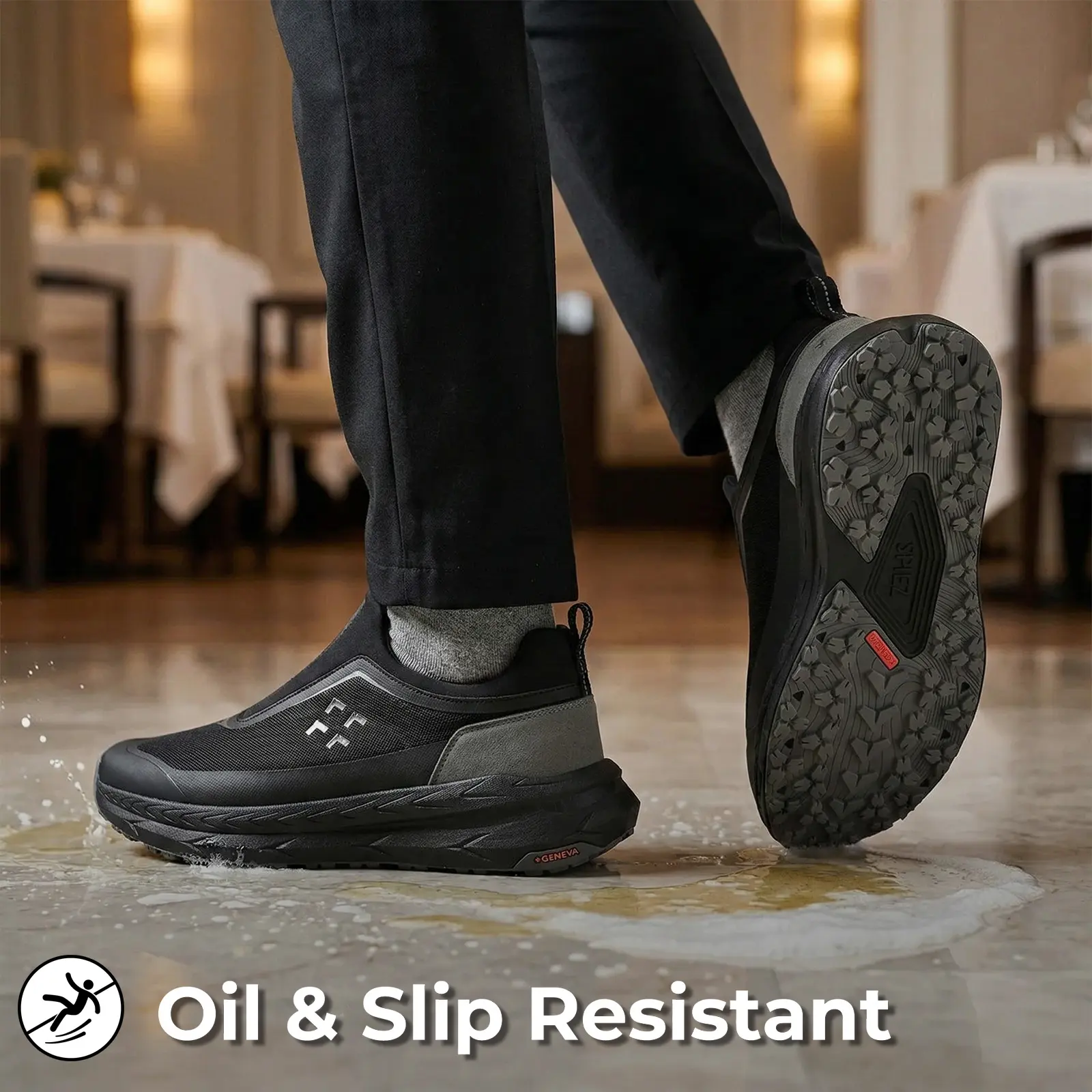
Not all "non-slip" shoes are created equal. True slip resistance comes down to three things:
**1. Outsole Compound**
The rubber formula determines grip on wet and oily surfaces. High-quality slip-resistant shoes use specially formulated rubber with a higher coefficient of friction. Cheap shoes feel grippy on dry tile but fail on a kitchen floor coated with cooking oil.
**2. Tread Pattern**
Multi-directional lugs channel liquids away from the contact surface — like tire treads on wet roads. Deep grooves and circular patterns maintain ground contact where it matters.
**3. Contact Surface Area**
More rubber on the ground = more grip. Some shoes look aggressive with deep lugs but actually have less surface contact. The best designs balance tread depth with contact area.
---
### Understanding Slip-Resistance Certifications
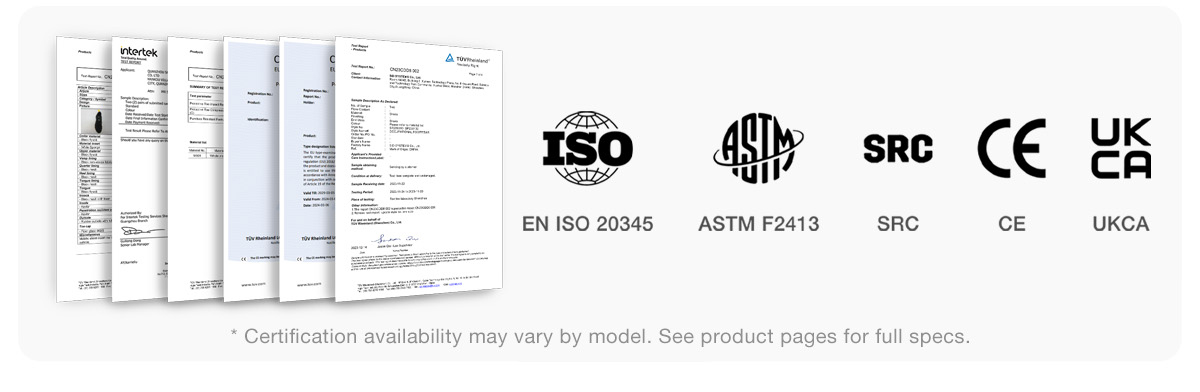
**SRC Rating (European Standard EN ISO 20345/20347) — The Gold Standard**
| Rating | Test Surface | Simulates |
| SRA | Ceramic tile + diluted soap | Wet kitchen/hospital floors |
| SRB | Steel + glycerol | Oily industrial surfaces |
| SRC | Passes BOTH SRA + SRB | All common slippery surfaces ✅ |
If you see "SRC certified," it's been tested and proven on both wet and oily surfaces. This is the rating you want.
**ASTM F2913 (U.S. Standard)**
The American test method for measuring coefficient of friction on walkway surfaces. While OSHA doesn't mandate a specific slip-resistance standard, safety managers increasingly look for ASTM F2913-tested footwear.
**ASTM F2413 (Safety Footwear)**
For jobs needing slip resistance AND safety features:
- **I/75 C/75** — Impact and compression protection (safety toe)
- **EH** — Electrical hazard protection (up to 18kV dry)
- **PR** — Puncture resistance
- **SR** — Slip resistance
### Our Top Picks by Job Type
#### ⭐ Best for Restaurant & Kitchen: SPIEZ Geneva SRC Work Shoe
(1).jpg?w=1600&h=1600)
Designed from the ground up for food service professionals.
**Why it stands out:**
- Wunder Grip™ SRC outsole — Tested on wet ceramic AND oily steel
- BernCore Foam™ midsole — Running-shoe cushioning that doesn't flatten after 6 months
- Waterproof microfiber upper — Oil, water, and food debris bead right off
- Ultra-lightweight — Under 1 lb per shoe
- Easy to clean — Wipe down at end of shift
**Best for:** Line cooks, servers, kitchen managers, baristas, hotel staff
#### ⭐ Best for Nurses & Healthcare: SPIEZ Geneva SRC (White)
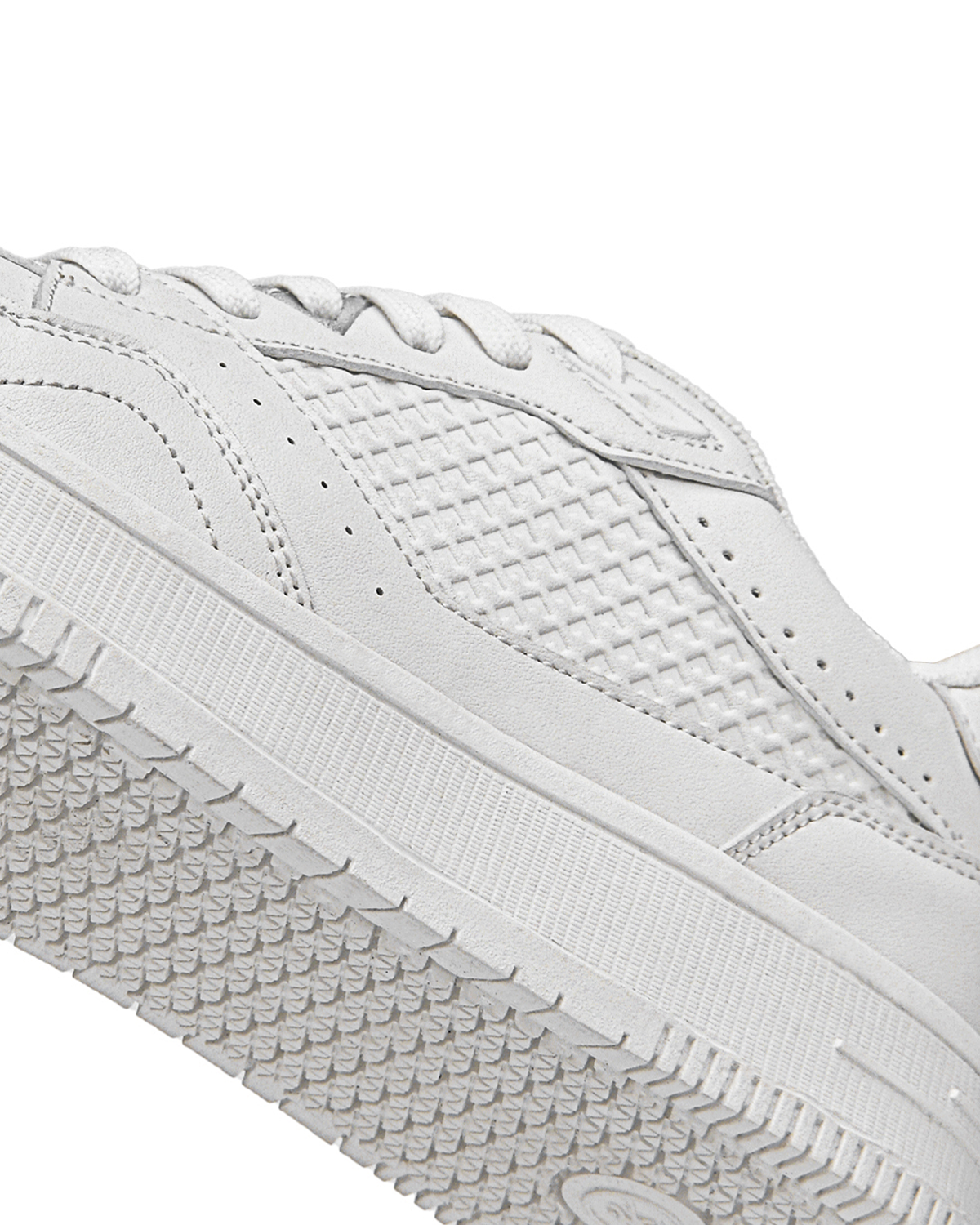
Same proven platform, healthcare-ready colorway.
**Why nurses love it:**
- SRC slip resistance on freshly mopped hospital floors
- BernCore Foam™ absorbs shock through 12-hour shifts
- Antimicrobial-friendly materials — easy to sanitize
- Slip-on design — no laces to contaminate or come untied
- White colorway meets most healthcare dress codes
**Best for:** Nurses, CNAs, dental hygienists, lab techs, pharmacists
#### ⭐ Best for Warehouse & Construction: SPIEZ Grindelwald S1P
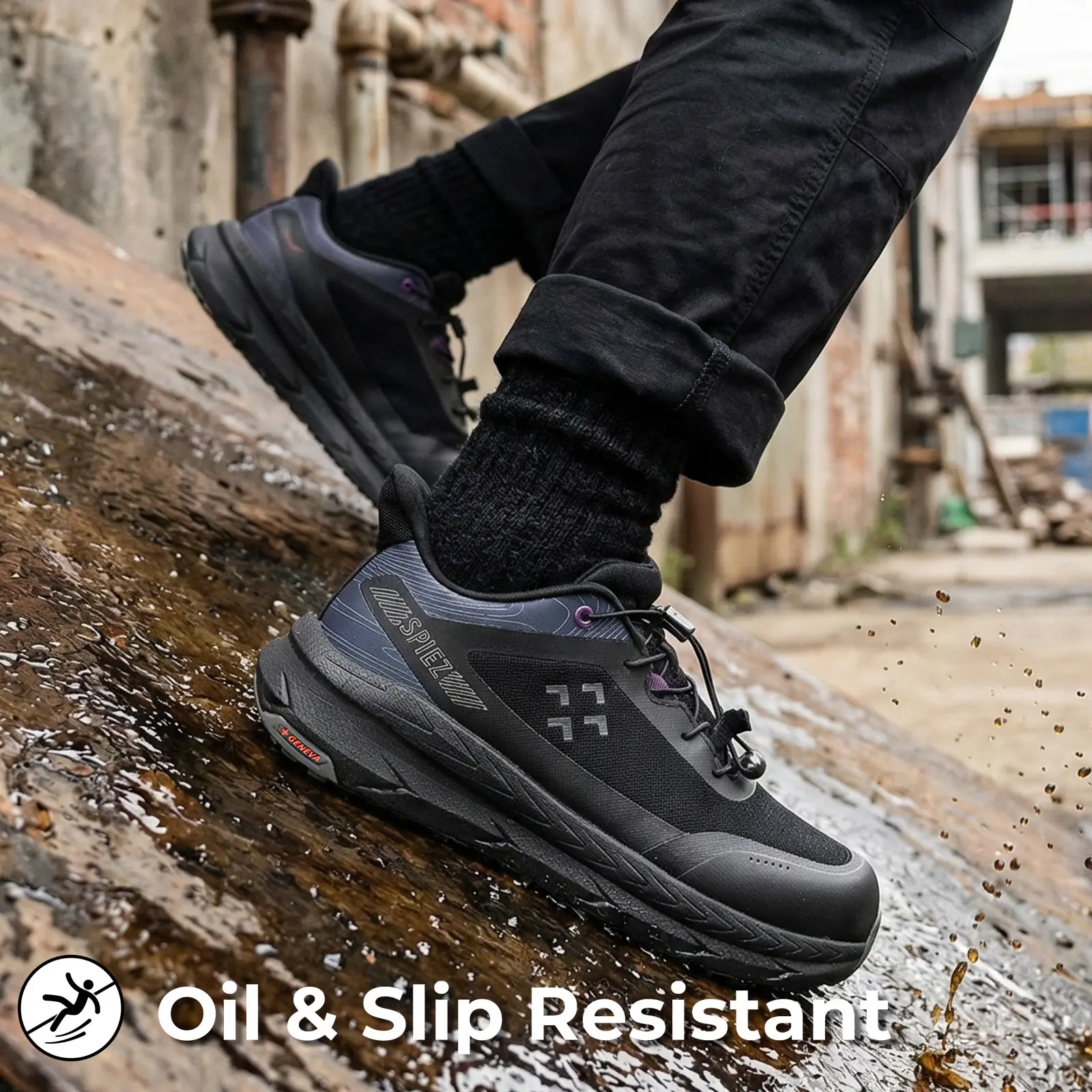
When you need slip resistance AND full safety protection.
**Why it stands out:**
- ShieldX™ composite toe — 60% lighter than steel, non-conductive
- Wunder Grip™ SRC outsole — Grips wet concrete, mud, and oily metal
- AquaFlex™ waterproof breathable membrane — Dry feet in any weather
- Kevlar anti-puncture midsole — Nails and debris can't get through
- EH rated — Electrical hazard protection up to 18kV
**Best for:** Warehouse workers, construction crews, electricians, mechanics, logistics
### How We Compare
| Feature | SPIEZ Geneva SRC | Shoes For Crews Revolution II | Skechers Work SR | Hoka Bondi SR |
| SRC Certified | ✅ Yes | ✅ Yes | ❌ No | ❌ No |
| Waterproof | ✅ Full | ⚠️ Water-resistant | ❌ No | ❌ No |
| Weight (per shoe) | < 1 lb | ~1.1 lb | ~1 lb | ~1.3 lb |
| Cushioning Tech | ⭐⭐⭐⭐⭐ | ⭐⭐⭐ | ⭐⭐⭐ | ⭐⭐⭐⭐⭐ |
| Durability (avg) | 12+ months | 8–10 months | 4–6 months | 10–12 months |
| Best For | All service jobs | Kitchen-only | Budget option | Max cushion |
**The takeaway:** SPIEZ Geneva SRC delivers SRC certification + waterproofing + premium cushioning at the lowest price point. Skechers is cheaper short-term but needs replacing twice as often. Hoka is excellent for cushioning but costs 3x more and lacks slip-resistance certification.
### Choosing by Industry

**🍳 Restaurant & Food Service**
Key hazards: Cooking oil, water, food debris on tile
Priority: Oil resistance + waterproof + easy to clean
→ **SPIEZ Geneva SRC (Black)** — SRC rated on oily surfaces
**🏥 Healthcare & Nursing**
Key hazards: Wet mopped floors, bodily fluids, 12-hour shifts
Priority: Cushioning + sanitizable + lightweight
→ **SPIEZ Geneva SRC (White)** — BernCore Foam™ for all-day support
**📦 Warehouse & Logistics**
Key hazards: Oil spills, wet docks, heavy objects, uneven surfaces
Priority: Toe protection + slip resistance + durability
→ **SPIEZ Grindelwald S1P** — Composite toe + SRC + waterproof
**🔧 Construction & Trades**
Key hazards: Wet concrete, mud, metal debris, electrical
Priority: Full safety package + aggressive tread
→ **SPIEZ Grindelwald S1P** — EH rated + puncture resistant + SRC
**🛒 Retail & Hospitality**
Key hazards: Wet floors, long standing hours, professional appearance
Priority: Comfort + clean look + slip resistance
→ **SPIEZ Geneva SRC (Black)** — Sneaker style, professional look
---
### 5 Features That Separate Good Non-Slip Shoes from Great Ones
**1. Lightweight Construction**
Traditional work shoes were heavy and exhausting. Modern composite toe caps weigh 60% less than steel. EVA/PU foam midsoles deliver cushioning without the weight penalty. Every extra ounce multiplies over thousands of steps — lighter shoes mean less fatigue at the end of a 10-hour shift.
**2. Sneaker-Level Comfort**
The best work shoes borrow from athletic footwear — energy-return foam, breathable panels, padded collars, ergonomic lasts. If your work shoes feel like running shoes, you'll actually wear them consistently.
**3. Waterproof + Breathable**
Waterproof doesn't have to mean sweaty. Modern membrane technology blocks water from outside while letting moisture vapor escape. Look for breathable waterproof membranes, not just rubber-coated uppers.
**4. Anti-Fatigue Technology**
Standing on hard surfaces for hours compresses joints and fatigues muscles. Dual-density foam or specialized cushioning systems absorb shock at the heel and return energy at the forefoot. Your knees and back will thank you.
**5. Electrical Hazard (EH) Protection**
Even if you don't work directly with electricity, EH-rated shoes provide an extra safety layer — protection from energized circuits up to 18,000 volts under dry conditions. A feature you hope you never need.
### How to Test If Your Shoes Are Actually Slip-Resistant
1. **Wet tile test** — Pour water on smooth tile. Walk normally. Any sliding = not good enough.
2. **Oil test** — Thin layer of cooking oil on smooth surface. True SRC shoes still grip. Cheap ones slide.
3. **Pivot test** — Stand on wet surface, pivot on one foot. Quality shoes resist rotation.
4. **Incline test** — Walk up/down a wet ramp. This is where tread design shows its value.
⚠️ **Important:** Slip resistance degrades as outsoles wear. Replace work shoes when tread becomes shallow — typically every 6–12 months depending on usage.
### The Cost of NOT Wearing Slip-Resistant Shoes
Let's do the math:
| Scenario | Cost |
| Average slip-and-fall injury | $20,000–$40,000 |
| OSHA penalty (serious violation) | $16,131 per violation |
| Workers' comp premium increase | 25–50% for 3 years |
| A pair of SPIEZ Geneva SRC | **$84.99** |
| **ROI** | **235x–470x** |
It's not even close. Slip-resistant shoes are the highest-ROI safety investment any business can make.
### Common Mistakes When Buying Work Shoes
**❌ Choosing style over substance**
A shoe can look professional and be dangerously slippery. Always check for SRC or ASTM F2913 certification — not just marketing claims like "anti-slip."
**❌ Ignoring the break-in period**
Quality work shoes need 2–3 days to break in. Don't judge comfort on the first hour. Wear them at home first.
**❌ Buying the wrong size**
Feet swell during long shifts. Try shoes in the afternoon when feet are largest. Leave a thumb's width at the toe.
**❌ Skipping waterproofing**
Even in "dry" environments, spills happen. Waterproof shoes are easier to clean, last longer, and keep feet dry.
**❌ Not replacing worn shoes**
Slip resistance is consumable. Once tread wears down, your "non-slip" shoes become regular shoes. Inspect monthly, replace every 6–12 months.
### Caring for Your Slip-Resistant Shoes
- **Clean outsoles weekly** — Grease in tread channels kills grip
- **Use a stiff brush** — Get into the grooves where oil hides
- **Air dry after shifts** — Moisture breeds bacteria and breaks down materials
- **Rotate pairs if possible** — Extends the life of both
- **Replace insoles every 3–4 months** — Cushioning compresses over time
### The Bottom Line
The best non-slip work shoe in 2026 combines certified slip resistance, all-day comfort, and waterproof durability — without costing a fortune.
Whether you're a line cook dodging grease splashes, a nurse logging 5 miles per shift, or a warehouse worker navigating wet loading docks, the right shoes are your first line of defense against the most common workplace injury in America.
**Don't wait for a slip to take action.**
[Browse SPIEZ Non-Slip Work Shoes →](https://spiezcollection.com/collections/work-all-shoes)
[Browse SPIEZ Safety Shoes →](https://spiezcollection.com/collections/safety-shoes-all)
*SPIEZ — Built for the Ones Who Build*