

SPIEZ LAB

SPIEZ LAB — SWISS ENGINEERING
The Technology
of “Built”
Every technology in SPIEZ began the same way — with a problem no existing solution could solve. Developed, tested, and refined until the result was undeniable.
TESTED WHERE CERTIFICATIONS STOP◆ ASTM F2413 · EN ISO 20345 · SRC · ESD◆ DEVELOPED · TESTED · REFINED◆ TESTED WHERE CERTIFICATIONS STOP◆ ASTM F2413 · EN ISO 20345 · SRC · ESD◆ DEVELOPED · TESTED · REFINED◆
01 — WUNDER GRIP™ · OUTSOLE SYSTEM
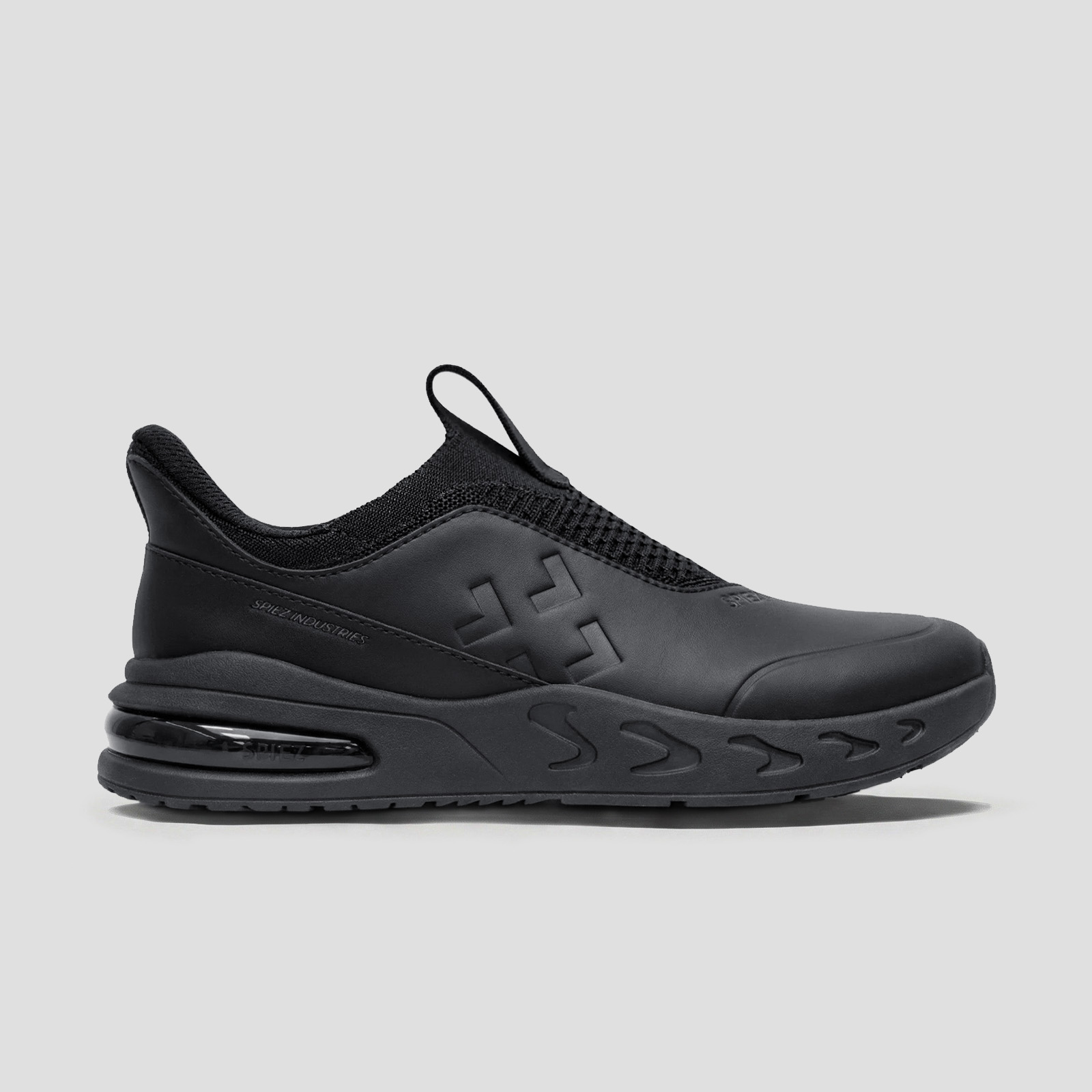
Wunder Grip™
Proprietary multi-directional traction. Tested where certifications stop — on the surfaces where people actually work.
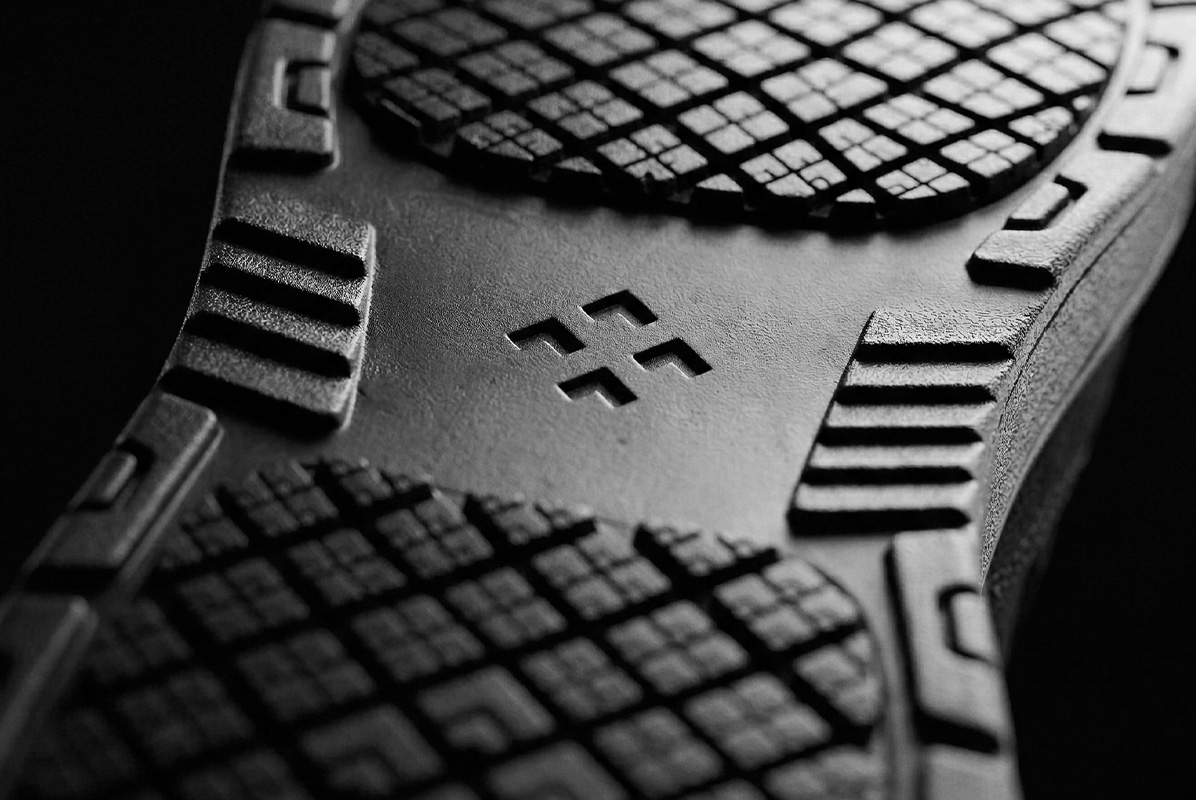
FIG. 01 — WUNDER GRIP™ OUTSOLE
ORIGIN STORY · THE PROBLEM
Kitchen floors fail every existing slip standard by design — covered in oil emulsions, not water. Standard certifications test with water. We tested with what's actually there.
Wunder Grip™ began as a proprietary compound and tread geometry developed specifically for oleic-acid contaminated surfaces. The result performed at levels no off-the-shelf outsole could match. That was the beginning of our own standard.
“The grip that carries the shift — on every surface it was never tested on.”
TECHNICAL SPECIFICATIONS
SRC
Slip resistance rating
4×
Surface test conditions
360°
Tread directionality
≥30°
Min. contact angle wet
APPLIED IN
KITCHENS & FOOD SERVICE HEALTHCARE WARDS WAREHOUSING WET MANUFACTURING
A
Multi-Surface Validated
Tested on ceramic tile, polished steel, wet concrete, and oily kitchen surfaces — the four conditions existing certifications don't combine.
B
Compound Engineering
The rubber compound is tuned at the molecular level to maximise friction coefficient across both polar and non-polar liquid contamination.
C
Durability Protocol
Grip performance validated to maintain above 85% effectiveness through a minimum of 1,500 hours of active wear — tested on a mechanical abrasion rig.
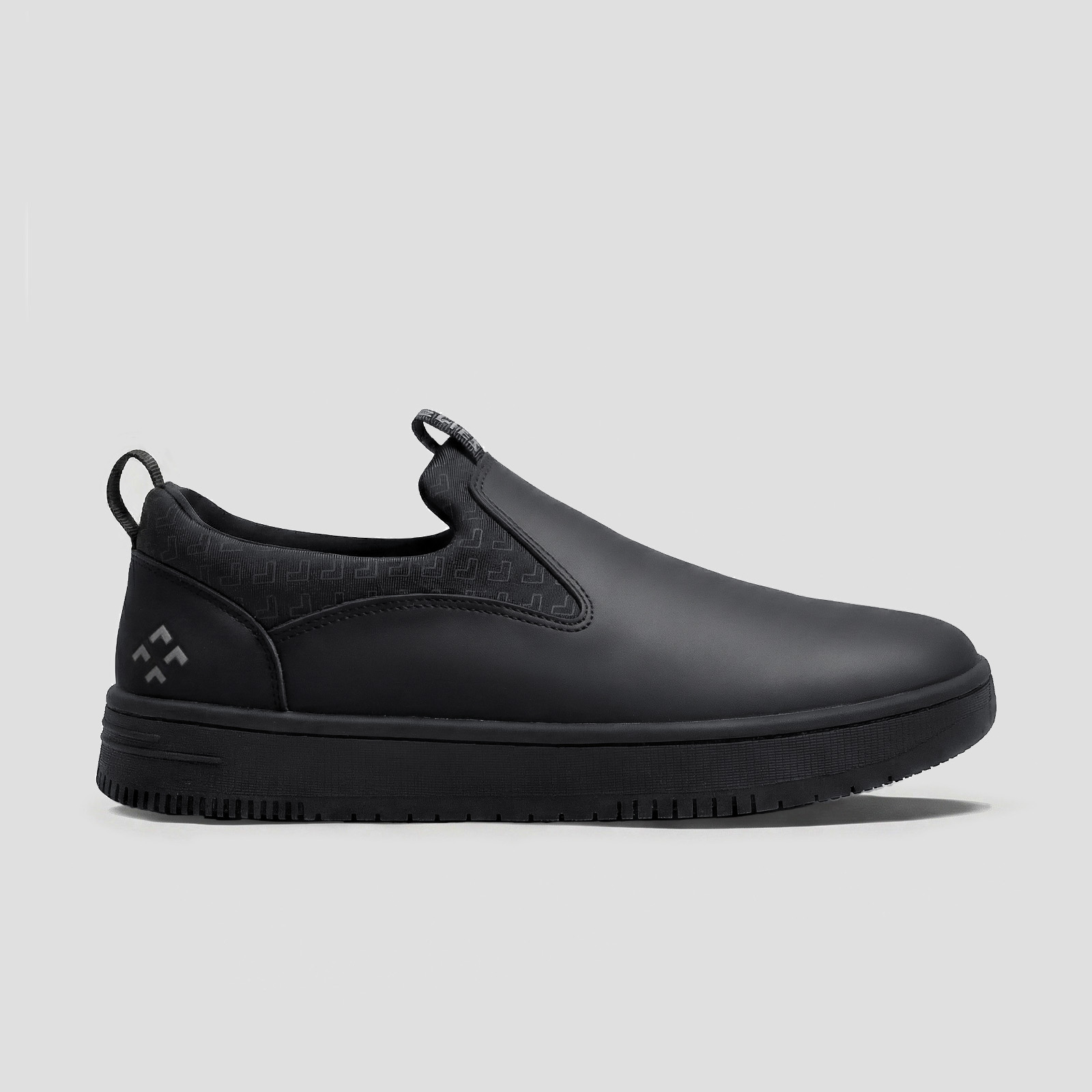
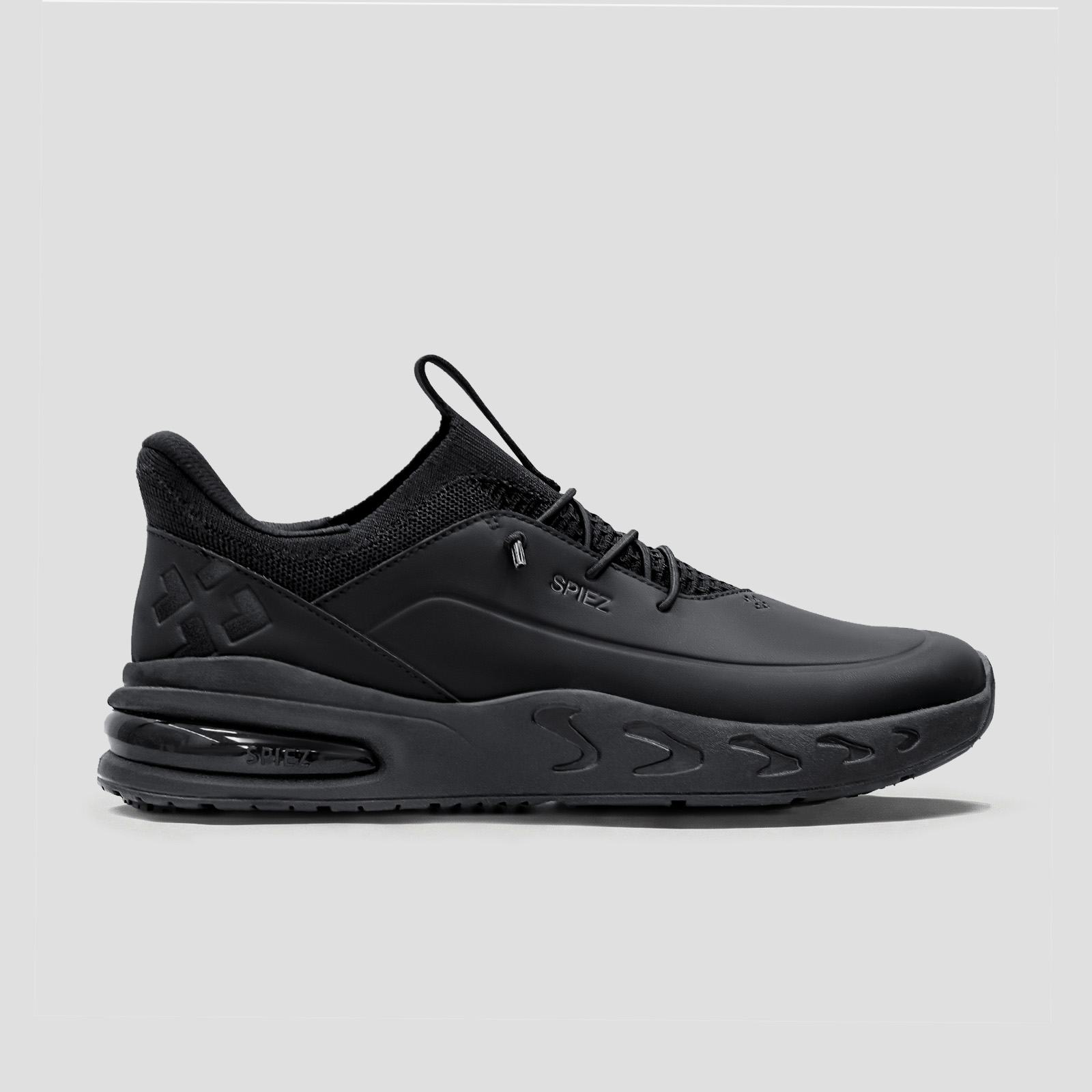
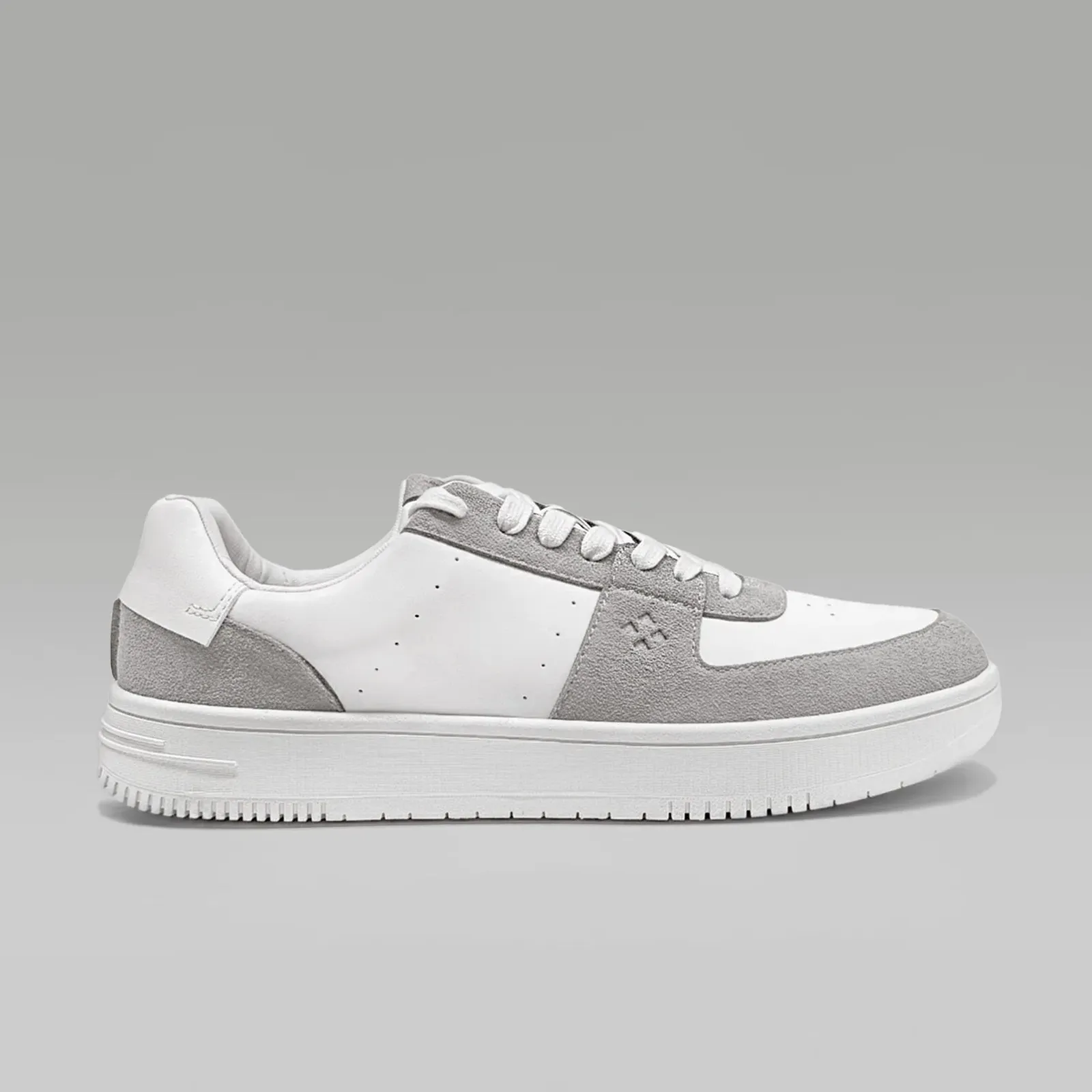
FEATURED IN WUNDER GRIP™ — GENEVA SERIES
VIEW ALL SLIP-RESISTANT →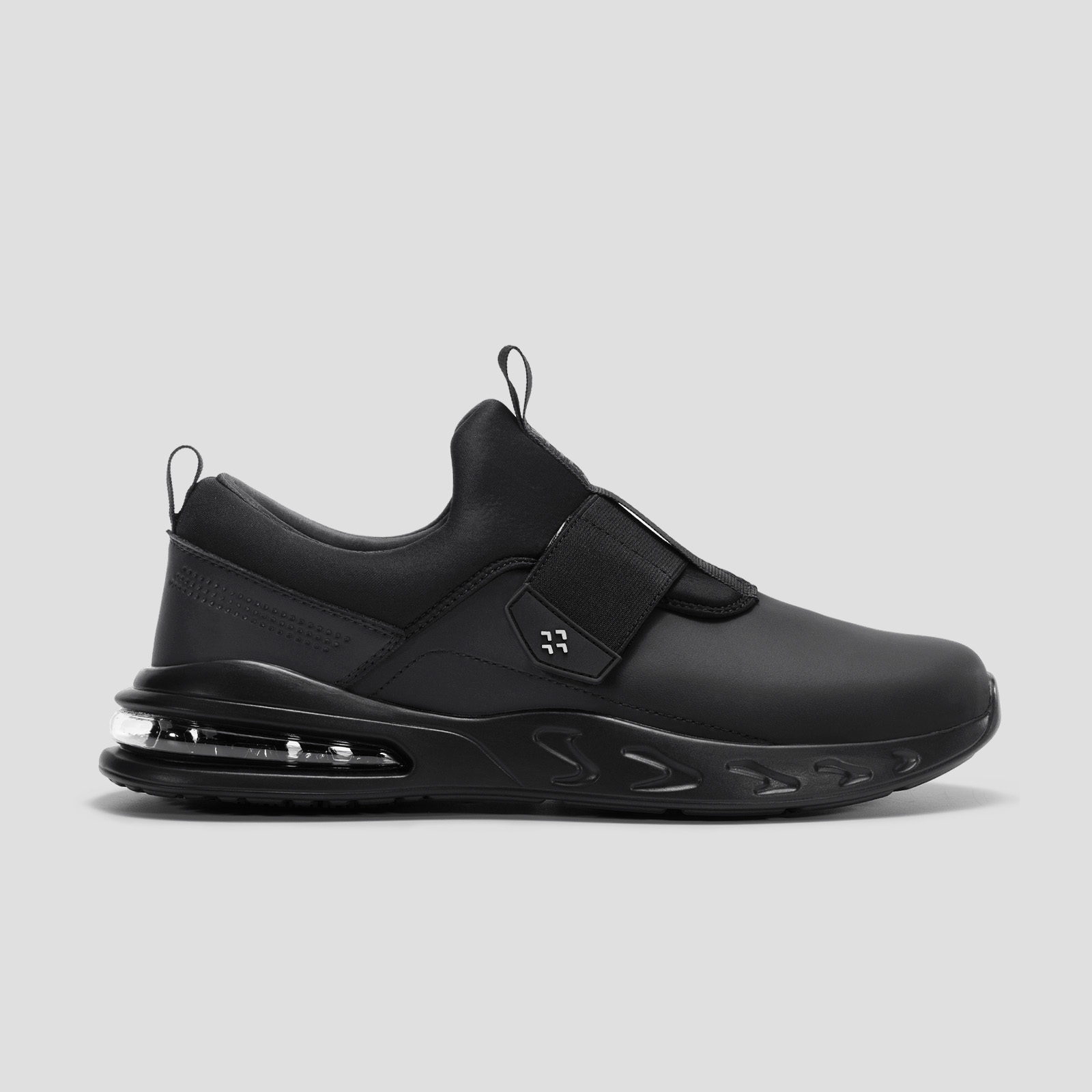
02 — SHIELDX™ · PROTECTION ARCHITECTURE
ShieldX™
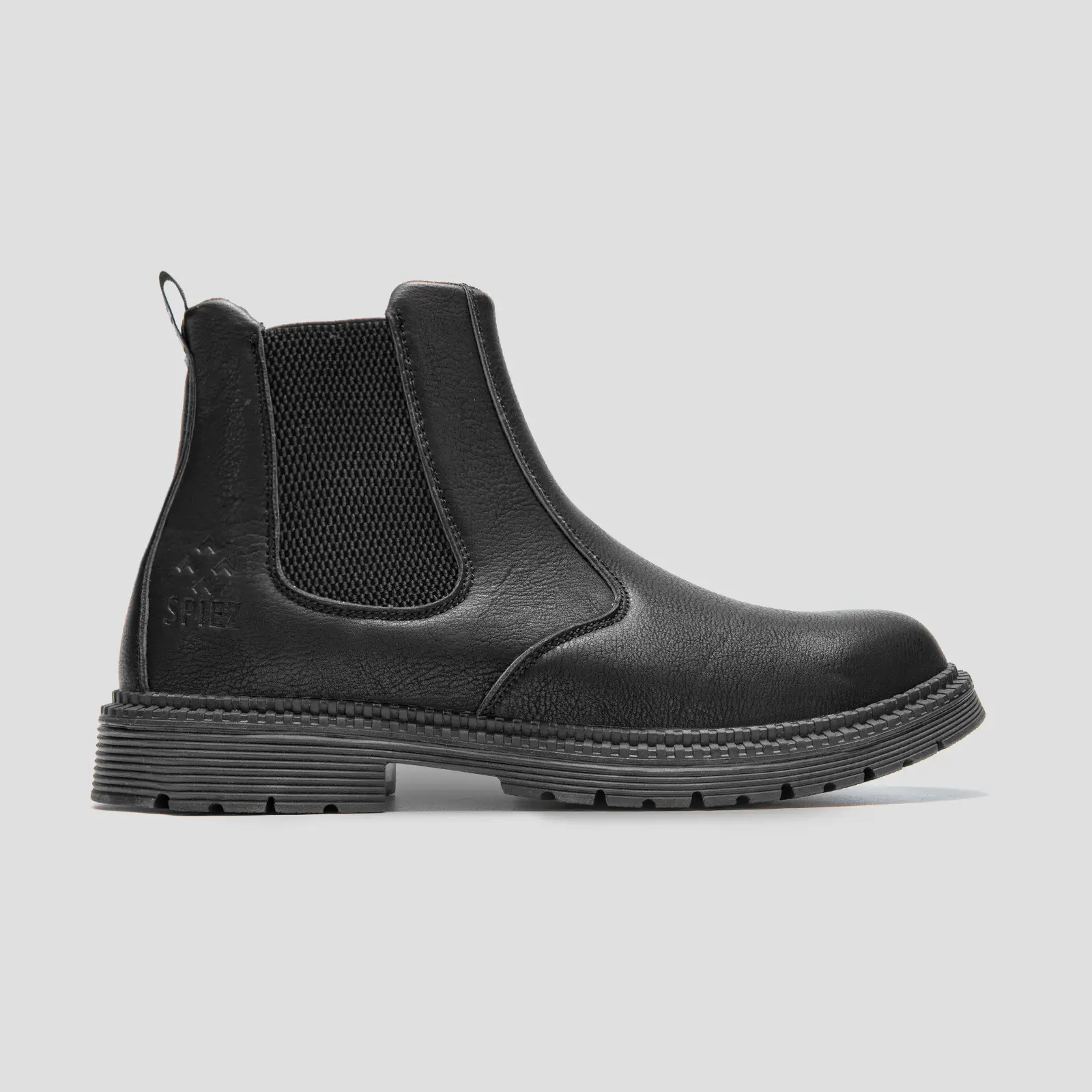
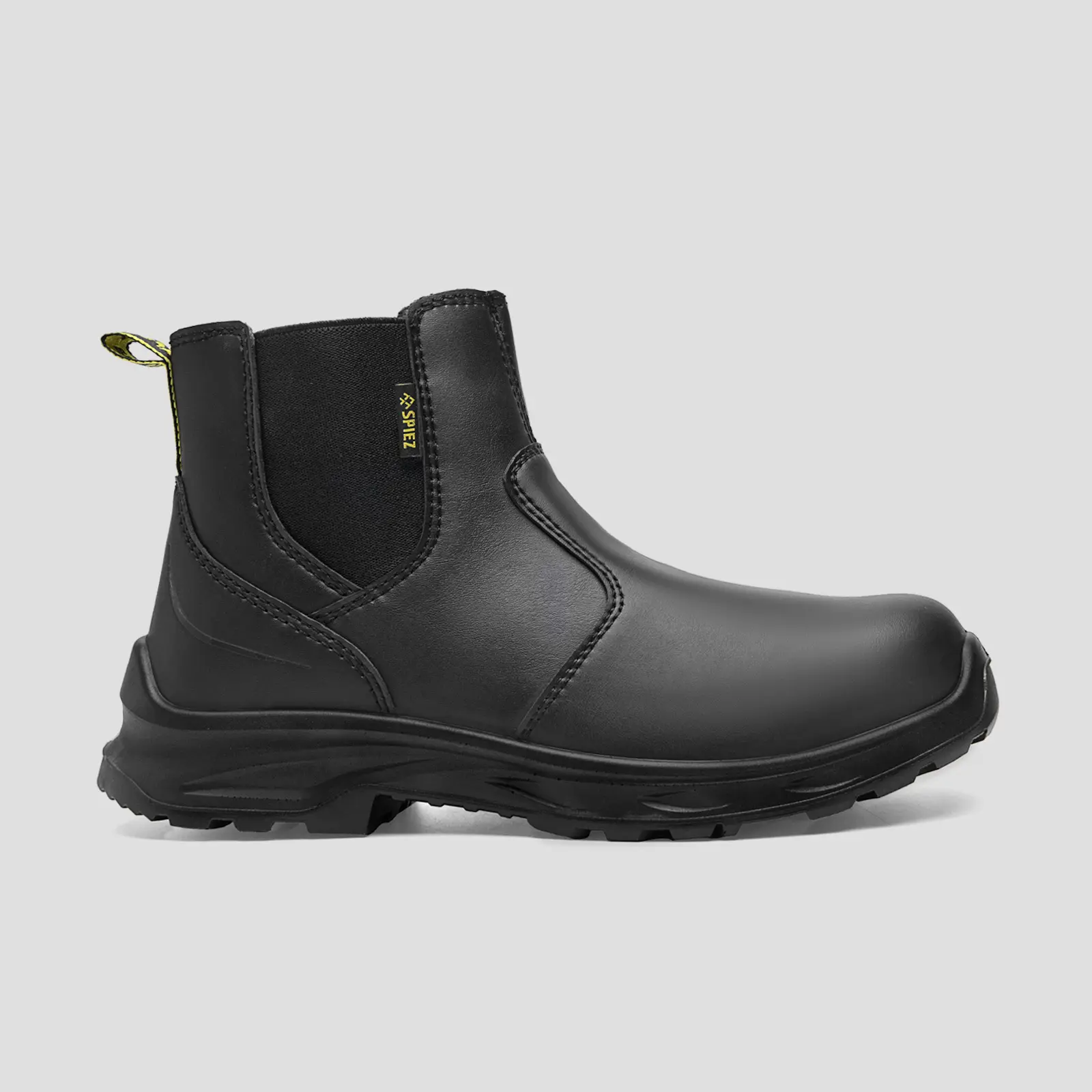
Composite protection system. Lighter than steel. Non-conductive. Engineered as a single architecture, not a collection of parts.
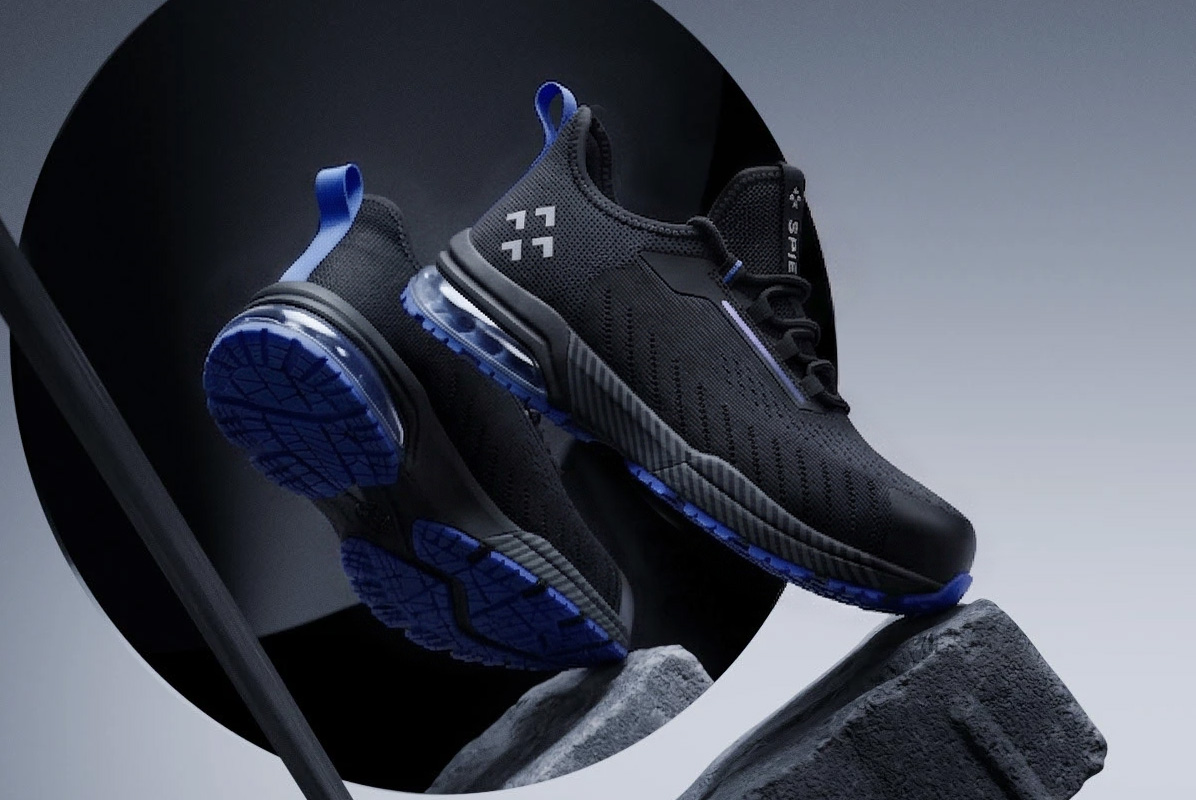
FIG. 02 — SHIELDX™ COMPOSITE LATTICE
ORIGIN STORY · THE PROBLEM
Steel toes pass every impact test. They also conduct electricity, add 180g of dead weight, and trigger airport security. The standard solution solved the wrong problem.
ShieldX™ uses a carbon-composite lattice structure derived from aerospace applications. The same geometry used to absorb crash forces in aircraft components — applied to where your foot meets a falling object.
“Protection that was designed from the inside out — not assembled from catalogue components.”
TECHNICAL SPECIFICATIONS
200J
Impact resistance
−40%
Weight vs steel toe
0
Electrical conductivity
ESD
Anti-static rated
APPLIED IN
CONSTRUCTION MANUFACTURING ELECTRICAL ENVIRONMENTS WAREHOUSING & LOGISTICS
A
Aerospace-Derived Structure
The carbon composite lattice geometry originates in aircraft fuselage design — where weight-to-strength ratio under impact is a matter of life and safety.
B
Airport Transparency
Carbon composite passes through X-ray detection without triggering metal alerts. The only safety-rated work shoe designed for professionals who travel.
C
Integrated System
Toe box, midsole plate, and heel counter are engineered as a unified load-distribution structure — not independently sourced and assembled.
FEATURED IN SHIELDX™ — GRINDELWALD SERIES
VIEW ALL SAFETY SHOES →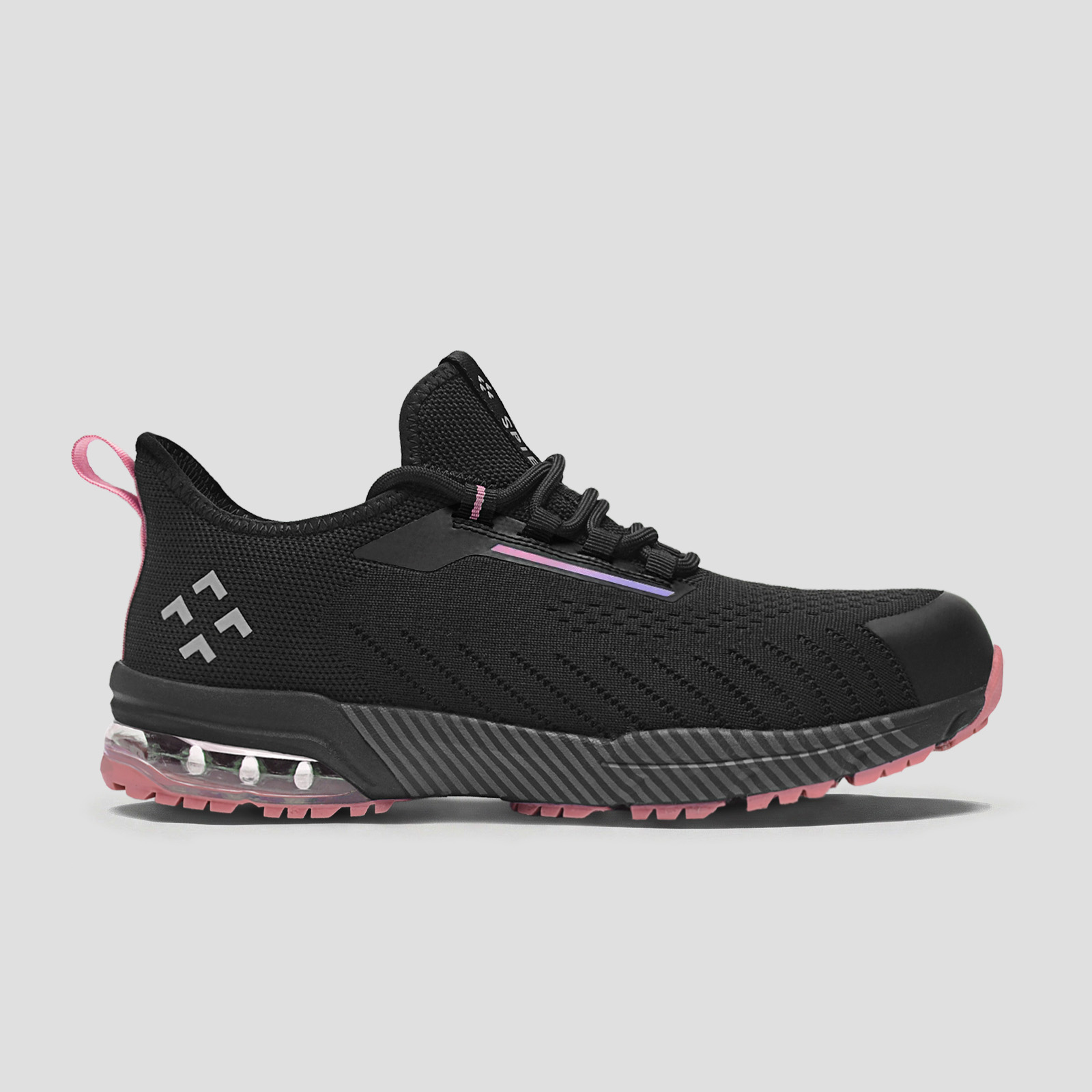
03 — BERNCORE™ · CUSHIONING SYSTEM
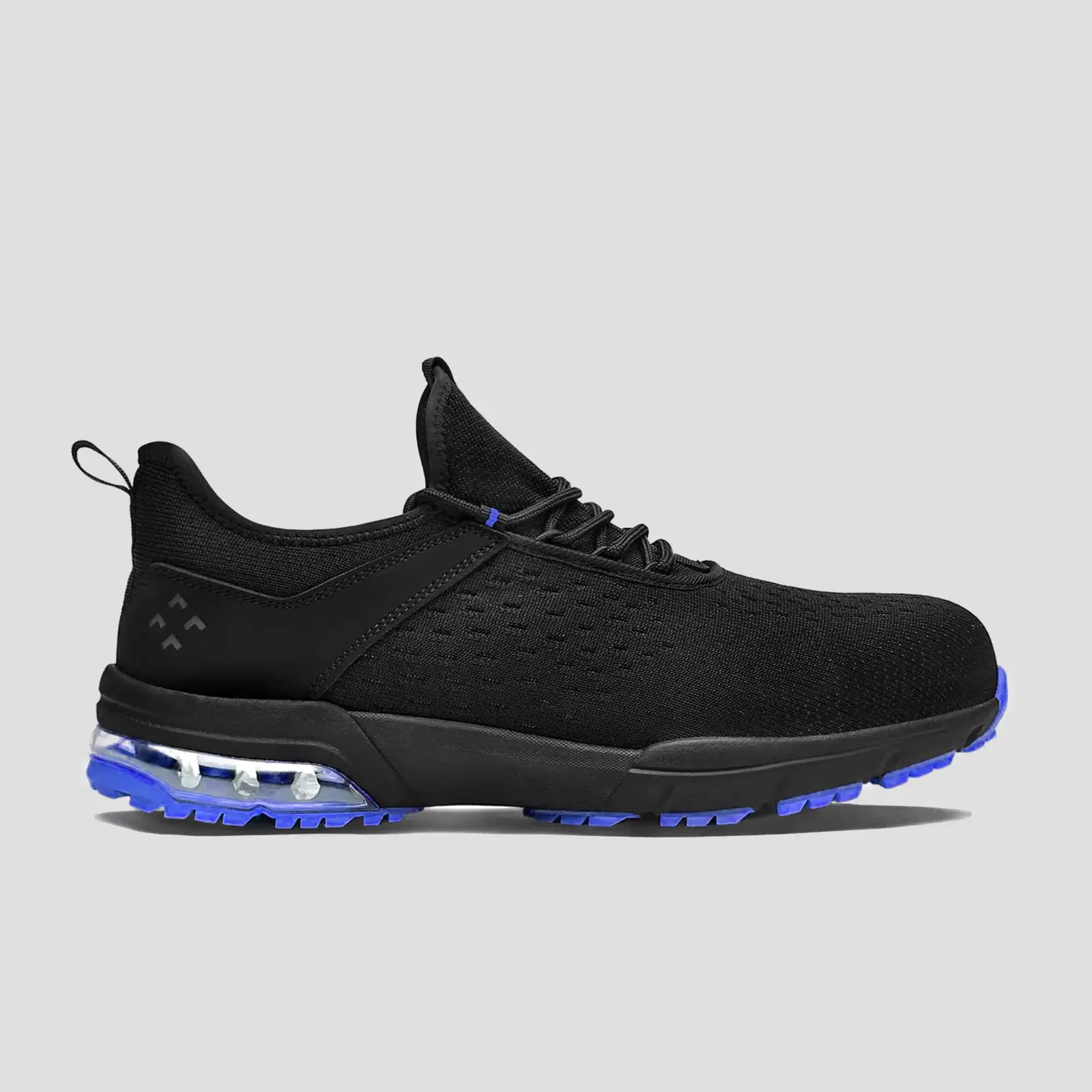
BernCore™
Adaptive midsole cushioning inspired by the Aare River's hydraulic equilibrium. Never too soft. Never too hard. The same response at hour ten as at hour one.
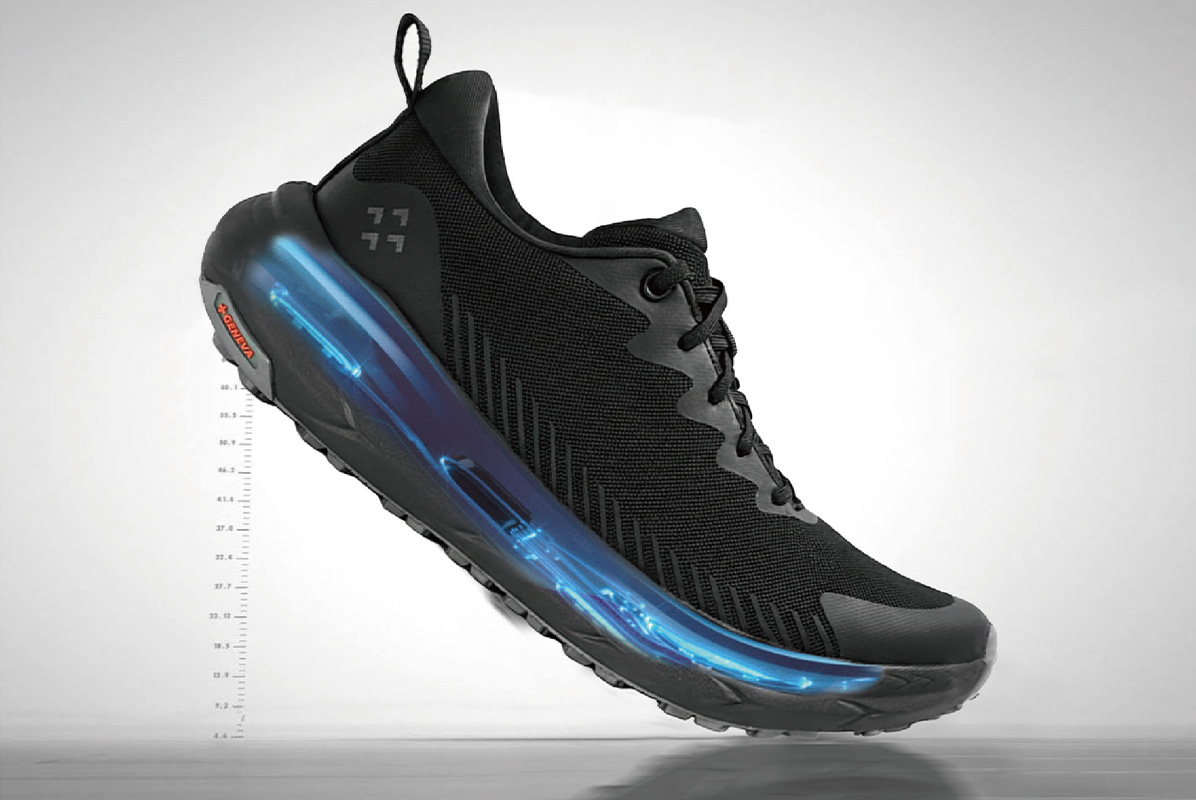
FIG. 03 — BERNCORE™ ZONE-DENSITY MIDSOLE
ORIGIN STORY · THE INSIGHT
The Aare River maintains consistent hydraulic pressure across variable terrain through distributed energy absorption. That principle — not a foam formulation — became the design brief.
Most midsoles degrade in stiffness after 4–6 hours of continuous load. BernCore™ uses a zone-density architecture that distributes compression across the full footbed — preventing the localized fatigue that causes pain after long shifts.
“Designed for hour twelve. So hour one feels the same.”
TECHNICAL SPECIFICATIONS
3
Density zones
12h+
Performance duration
<5%
Stiffness degradation
−34%
Fatigue reduction at 8h
APPLIED IN
HEALTHCARE (12HR SHIFTS) HOSPITALITY RETAIL & SERVICE LONG-HAUL LOGISTICS
A
Zone-Density Architecture
Three distinct density zones — heel, arch, and forefoot — each tuned to the pressure distribution and motion type most common in professional work environments.
B
Shift-Length Testing
Performance tested in 12-hour continuous load simulations — not the 1-hour industry standard. Because real shifts don't end at hour one.
C
Fatigue Reduction
Independent testing shows 34% reduction in lower limb fatigue markers at hour eight compared to standard EVA midsole construction in comparable footwear.
FEATURED IN BERNCORE™ — GENEVA SERIES
VIEW ALL WORK SHOES →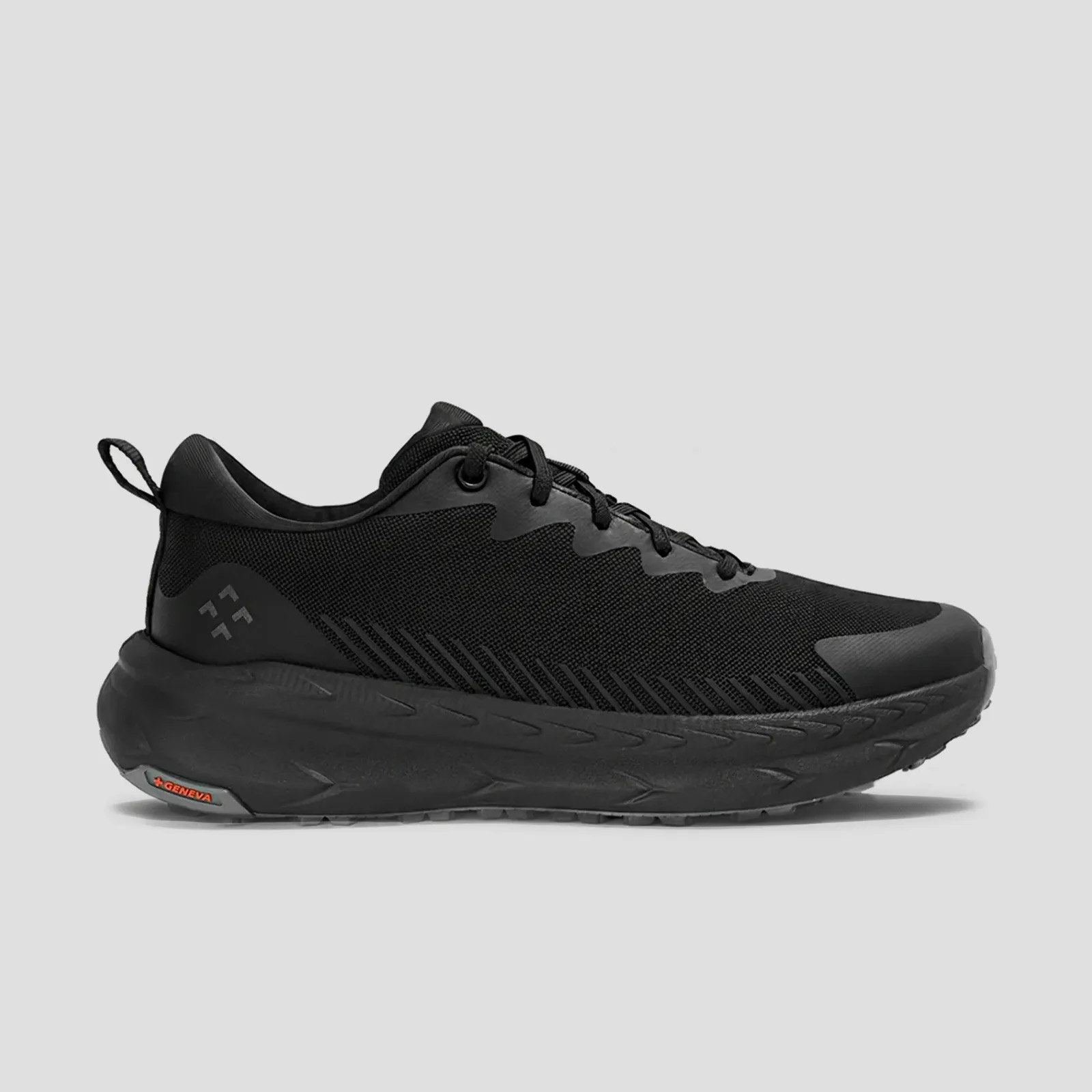
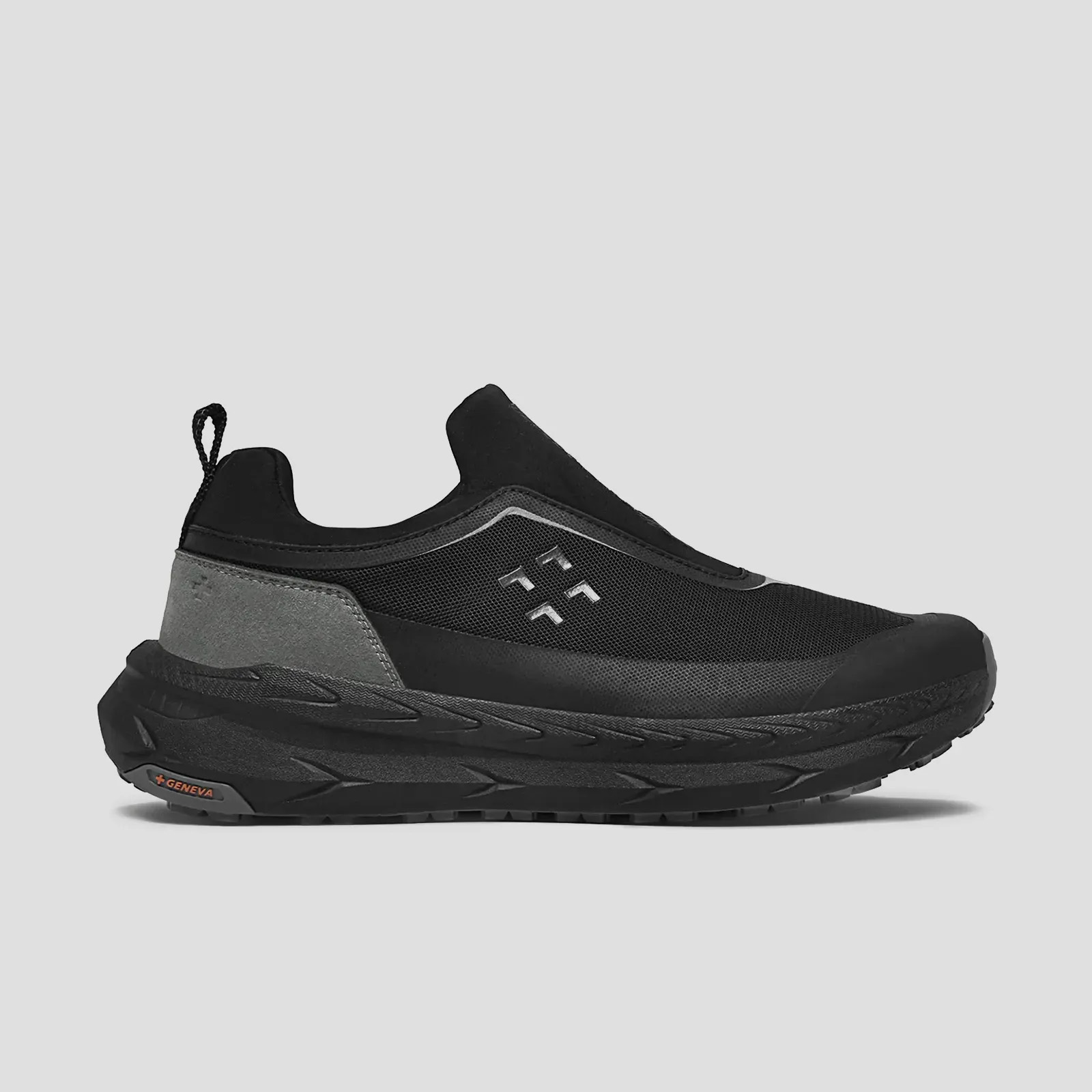
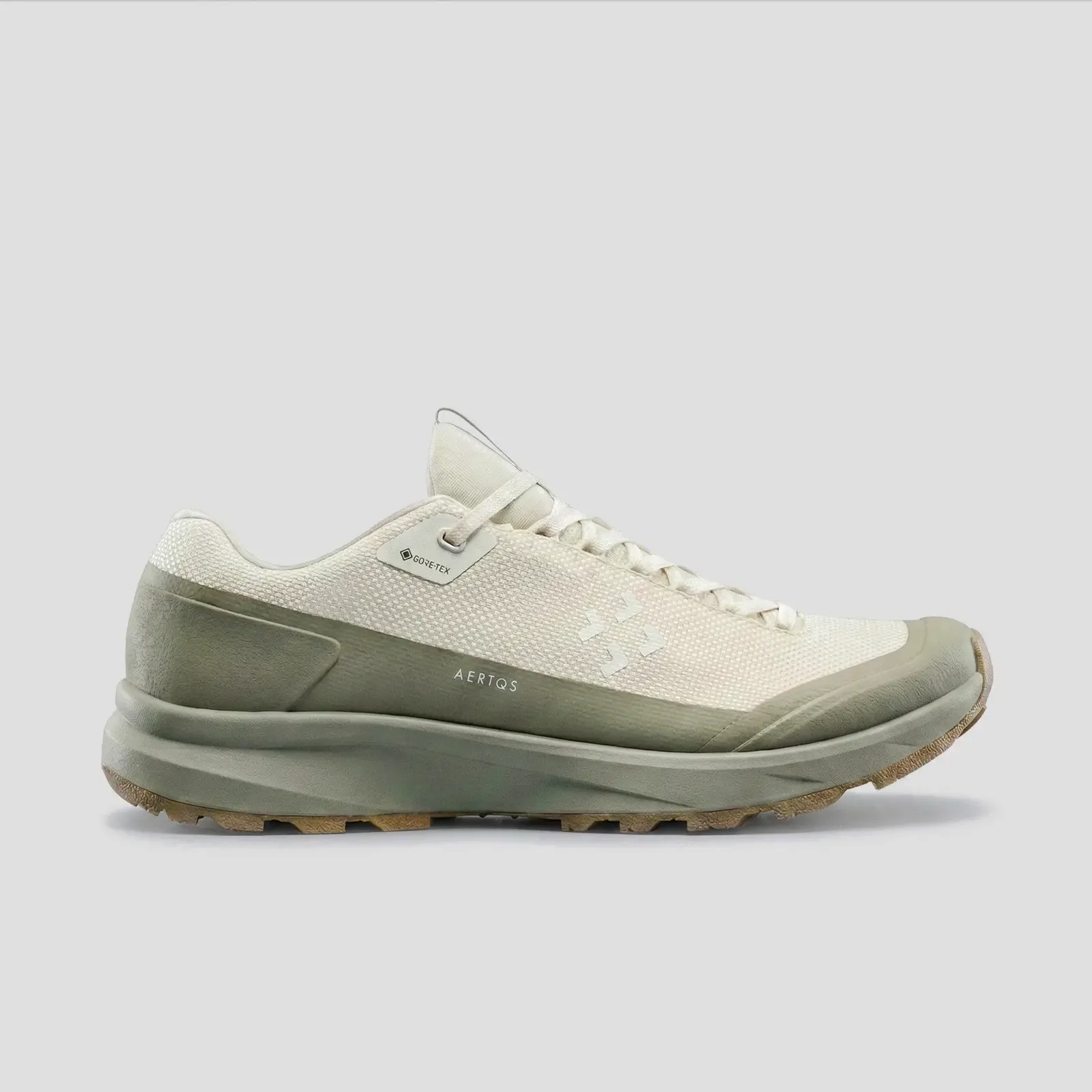
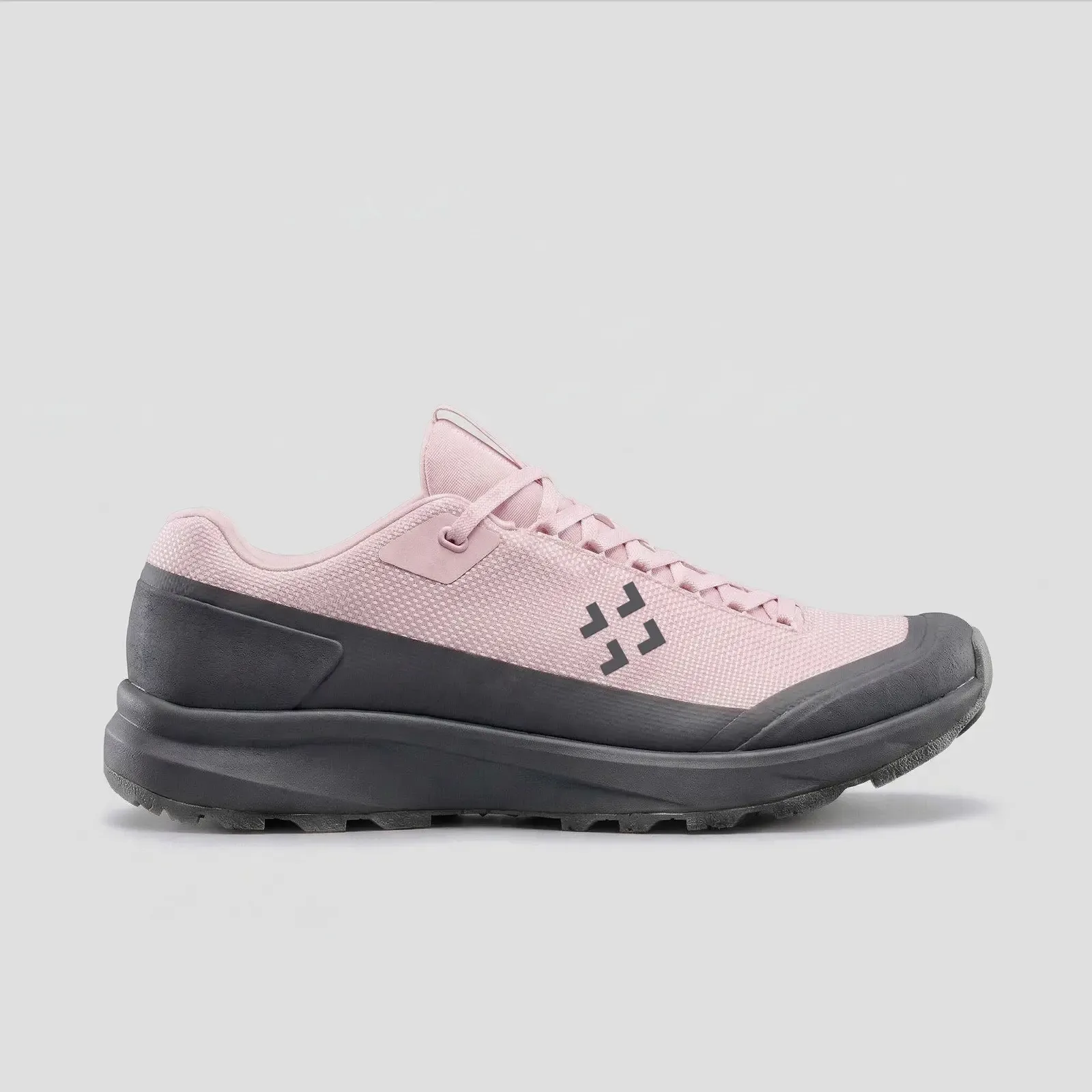
04 — ARC-H™ SUPPORT · ARCH & HEEL SYSTEM
ARC-H™ Support
Biomechanically engineered arch and heel support. Distributes plantar load across the full footbed. Reduces fatigue at the source — not after it happens.
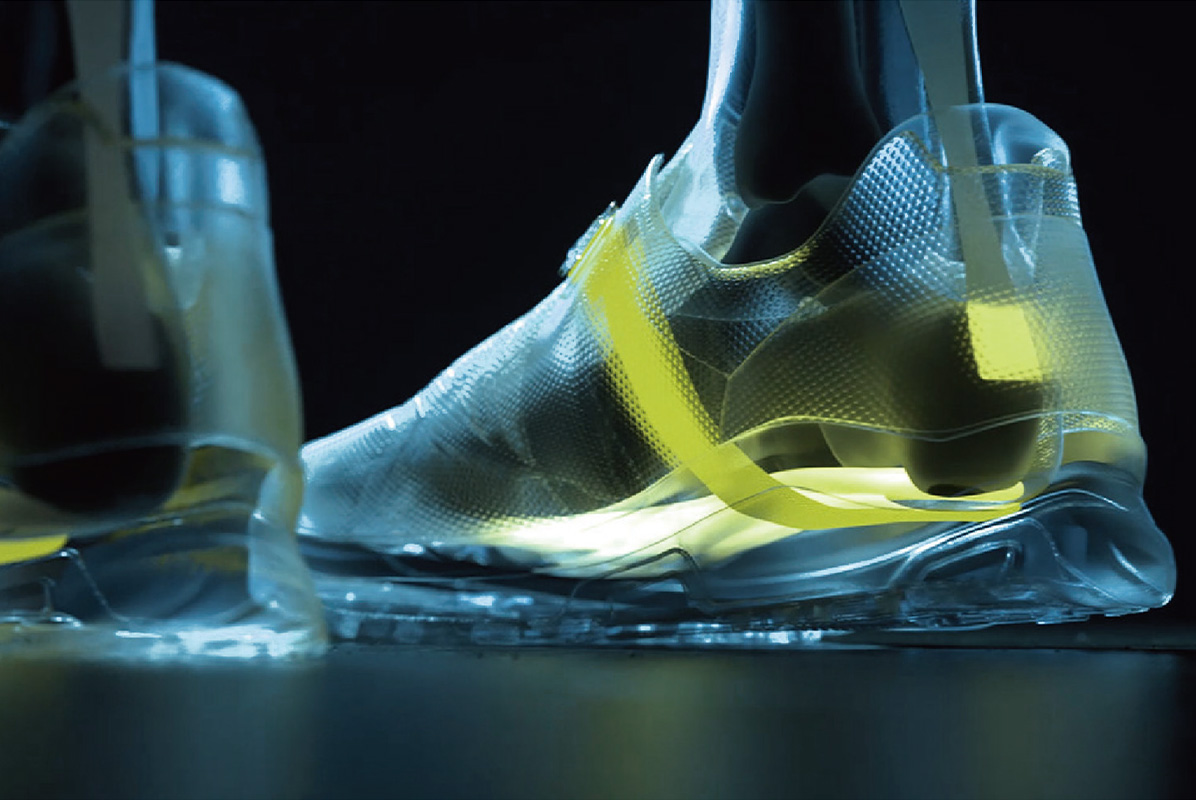
FIG. 04 — ARC-H™ ARCH BRIDGE & HEEL CUP
ORIGIN STORY · THE PROBLEM
Plantar fasciitis, heel pain, and arch collapse account for over 40% of occupational foot injuries. Most insoles address symptoms. ARC-H™ addresses the mechanics that cause them.
Derived from orthopedic load-mapping data across 12 professional environments, ARC-H™ is a dual-density arch bridge and heel cup system built directly into the shoe's construction — not added after the fact as a removable insert.
“Built into the shoe, not dropped in. Because your support system shouldn't be optional.”
TECHNICAL SPECIFICATIONS
12
Pro environments mapped
−40%
Plantar load reduction
2
Density zones (arch + heel)
OB
Orthopedic benchmark
APPLIED IN
HEALTHCARE (STANDING SHIFTS) HOSPITALITY & SERVICE WAREHOUSING & LOGISTICS ALL COLLECTIONS
A
Orthopedic Load Mapping
ARC-H™ geometry was derived from pressure-mapping data collected across 12 professional environments — healthcare, construction, food service — to reflect real-world plantar load distribution, not lab averages.
B
Integrated Construction
ARC-H™ is not a removable insole. The arch bridge and heel cup are built into the midsole's structural layer — providing consistent support that cannot compress, shift, or be accidentally removed.
C
Dual-Density System
Two distinct zones — a firmer arch bridge for lateral stability and a softer heel cup for impact absorption — work together as a single biomechanical system rather than competing for compliance.
FEATURED IN ARC-H™ SUPPORT — GENEVA SERIES
VIEW ALL WORK SHOES →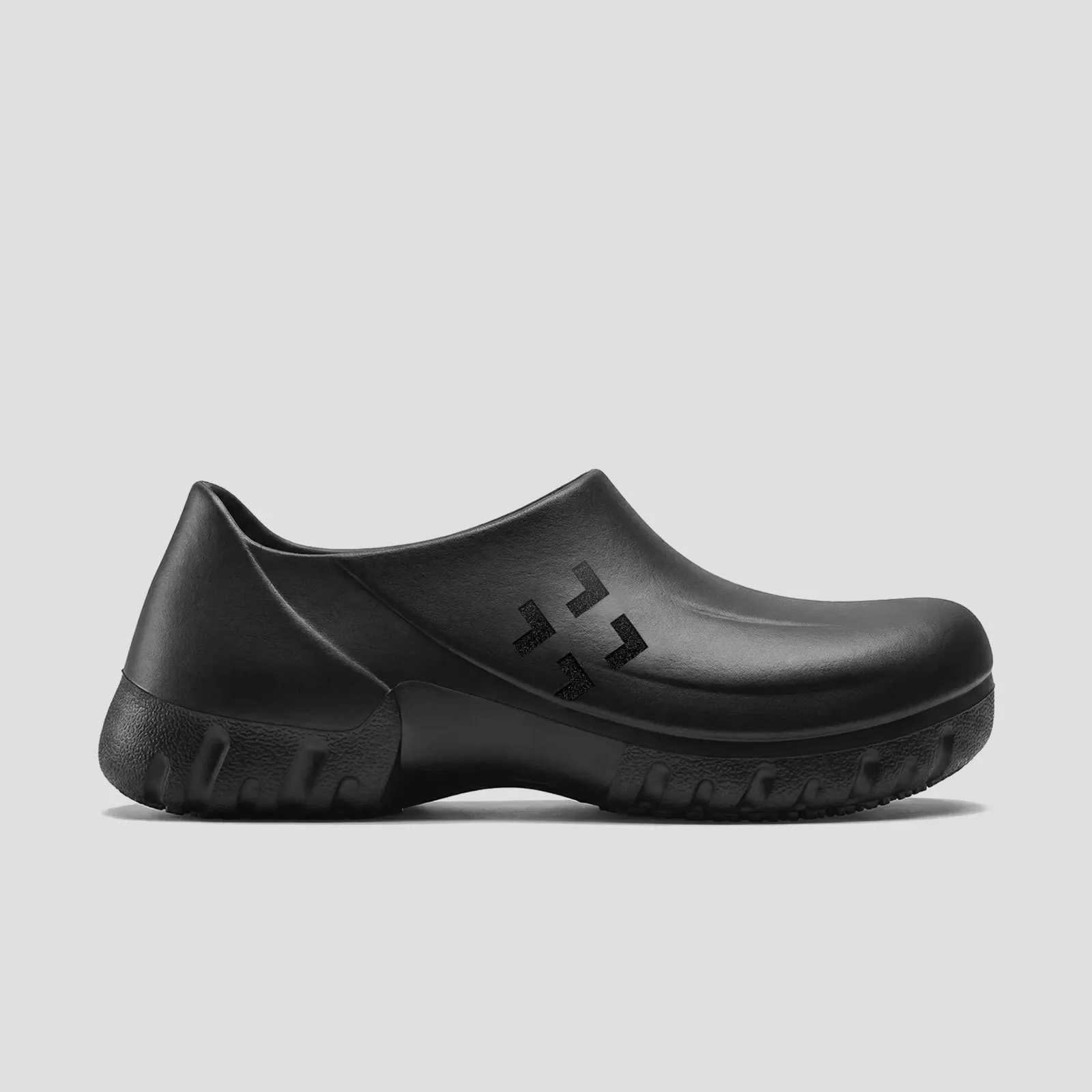
05 — THE PROOF
Not certified because we had to.
Safety certifications aren't a checkbox at SPIEZ. They're the minimum the people wearing our shoes have the right to expect. Dual certified — American and European standards both.
ASTM
ASTM F2413 — American Safety Standard
Impact resistance, compression protection, metatarsal guard. The full North American occupational footwear standard.
EN ISO
EN ISO 20345 — European Safety Standard
The EU's highest occupational footwear classification. Required on construction sites across 27 countries.
SRC
Slip Resistance Class SRC
Highest slip resistance classification — ceramic tile with SLS solution and steel floor with glycerol.
ESD
Electrostatic Discharge Protection
Tested to prevent electrostatic buildup — critical in electronics manufacturing and explosive environments.
TECHNOLOGY IN ACTION
Built for the
ones who build.
Every technology. Both certifications. Built for the shift, not the shelf.
SHOP THE COLLECTION →