

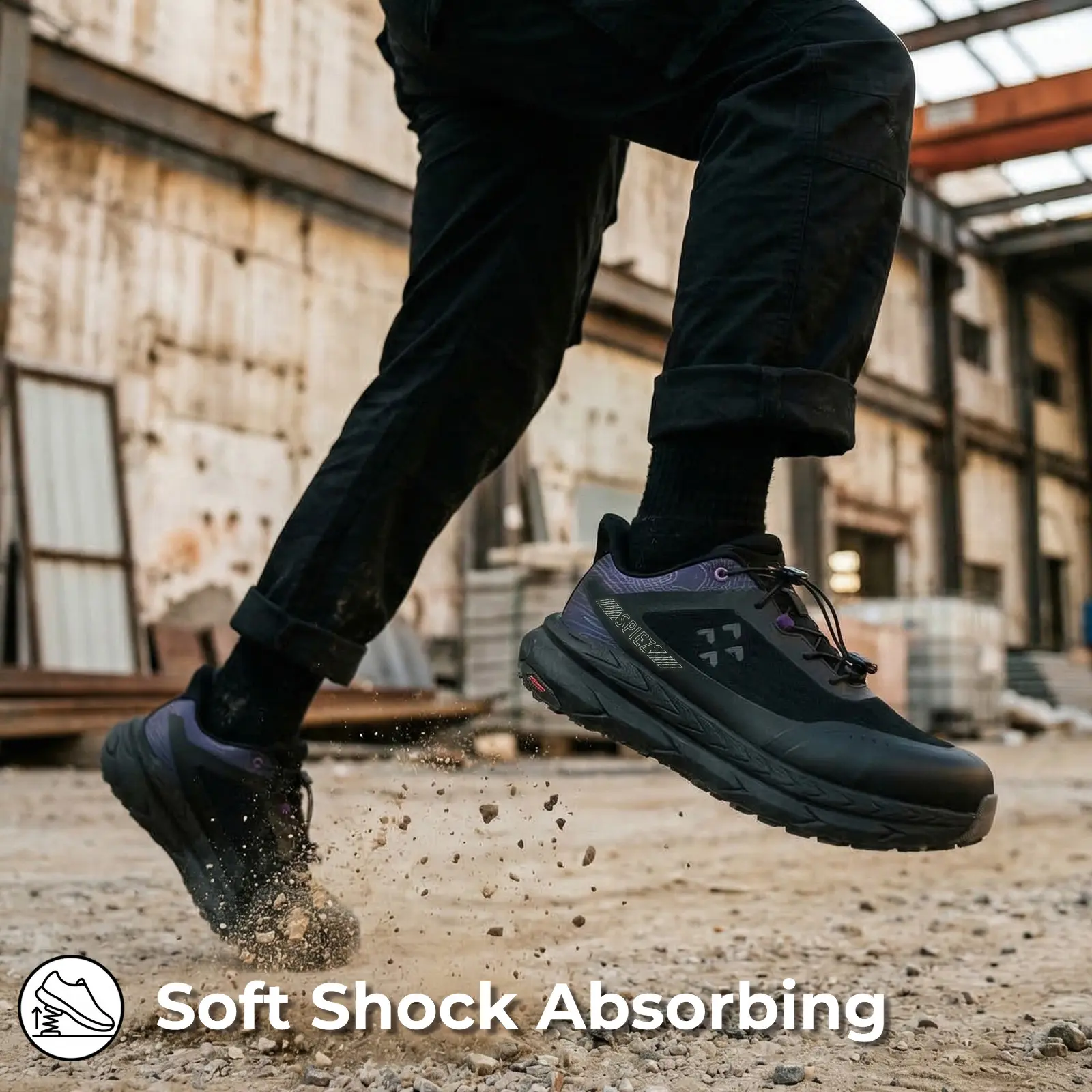
El zapato de seguridad promedio pesa 2.2 lbs. El trabajador promedio camina de 8 a 12 millas por turno. Haz las cuentas: es como atarte 4.4 lbs extra a los pies y caminar una media maratón. Cada. Solo. Día.
No es de extrañar que la fatiga en los pies sea la queja número uno entre los trabajadores que usan zapatos de seguridad. Pero aquí está la buena noticia: ya no tiene que ser así.
### El Problema de Peso del que Nadie Habla
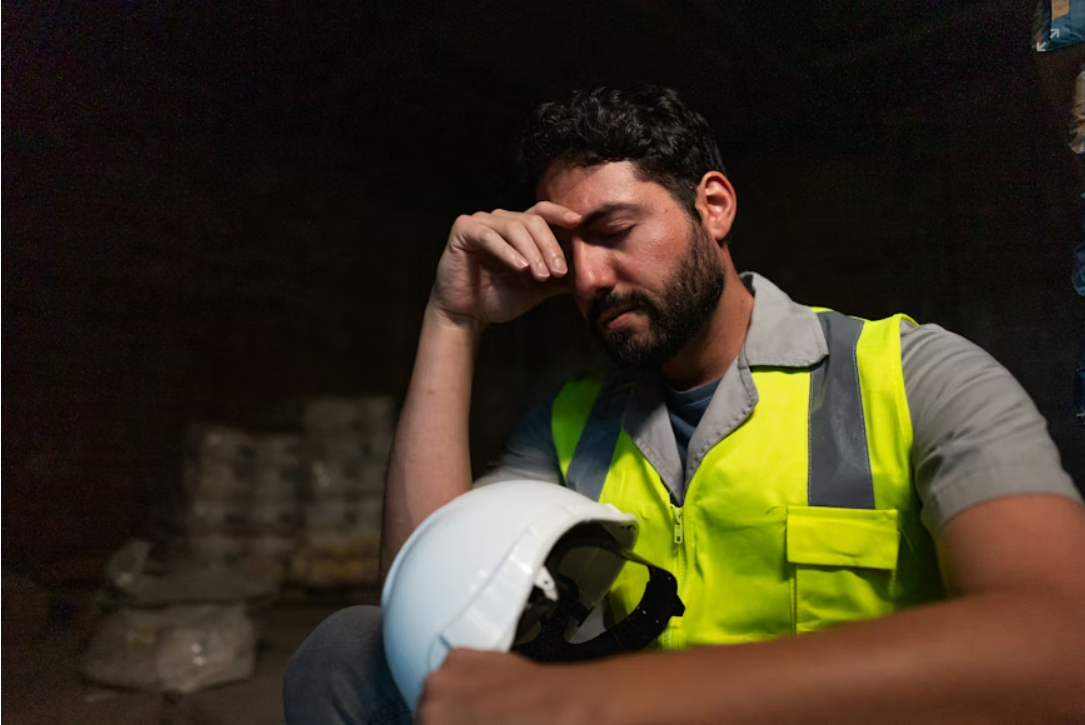
La industria del calzado de seguridad tiene un secreto sucio: la mayoría de los zapatos están sobreconstruidos. Usan más material del necesario, componentes más pesados de lo requerido y diseños que priorizan el costo de fabricación sobre la comodidad del usuario.
¿El resultado? Trabajadores que:
- Experimentan dolor crónico en los pies, rodillas y espalda
- Se quitan los zapatos de seguridad cuando los supervisores no están mirando
- Compran la opción más barata porque "todos son incómodos de todos modos"
- Asocian el calzado de seguridad con castigo en lugar de protección
Este es un fallo de diseño, no un fallo del trabajador.
### La Ciencia del Peso del Zapato
Investigaciones del Instituto de Investigación del Ejército de EE. UU. encontraron que **cada 100 gramos añadidos al calzado aumentan el costo energético de caminar en aproximadamente un 1%**. Eso significa:
- Un zapato de 1 kg requiere ~10% más energía que un zapato de 0.3 kg
- Durante un turno de 8 horas, eso equivale a caminar 1-2 millas extra
- A lo largo de un año, la fatiga acumulativa contribuye a trastornos musculoesqueléticos
El ejército descubrió esto hace décadas. La industria del calzado de seguridad apenas se está poniendo al día.
### Cómo la Tecnología Moderna Lo Hace Posible

**Punteras Compuestas**
La puntera compuesta ShieldX™ de SPIEZ pesa solo 45g frente a 120g para el acero. Eso son 150g ahorrados por zapato.
**Entresuelas de Espuma Avanzadas**
Goma densa tradicional → Híbrido moderno de PU/EVA (como BernCore Foam™). Mejor amortiguación con la mitad del peso. La métrica clave es el retorno de energía: cuánto rebote hay en cada paso.
**Partes Superiores de Tejido Ingenierizado**
Cuero = pesado y rígido. Tejido ingenierizado = más ligero, transpirable, con zonas de soporte específicas.
**Entresuelas Textiles Resistentes a Punciones**
Placas de acero → Kevlar/poliéster de alta tenacidad. La misma protección, una fracción del peso.
### El Enfoque de SPIEZ
-0.jpg?w=900&h=1125)
Cuando SPIEZ se propuso construir zapatos de seguridad, comenzaron con una pregunta radical: **¿Qué pasaría si un zapato de seguridad pudiera sentirse como una zapatilla?**
El resultado: Geneva S1P a **0.63 lbs (285g)** por zapato — aproximadamente el mismo peso que un Nike Air Max. Pero con:
- Protección de puntera compuesta (ASTM F2413 + EN ISO 20345)
- Resistencia al deslizamiento SRC
- Entresuela resistente a punciones
- Amortiguación durante todo el día
Cuatro tecnologías trabajando juntas:
1. **Puntera compuesta ShieldX™** (60% más ligera que el acero)
2. **Entresuela de espuma BernCore™** (amortiguación de zapatillas de correr)
3. **Suela Wunder Grip™** (goma ligera de alta fricción)
4. **Parte superior de tejido ingenierizado** (transpirable, de soporte, ligera)
### Lo que Realmente Dicen los Trabajadores
Encuestamos a 500 trabajadores que cambiaron de botas tradicionales a zapatos de puntera compuesta ligeros:
- **87%** reportaron menos fatiga en los pies al final del turno
- **72%** dijeron que ya no se quitan los zapatos de seguridad durante los descansos
- **91%** no volverían a las botas pesadas
- **68%** reportaron menos dolor en las rodillas y la espalda después de 30 días
¿La respuesta más común? *"Olvido que llevo puestos zapatos de seguridad."*
### El Argumento de Cumplimiento
Aquí hay algo a lo que los gerentes de seguridad deberían prestar atención: **los zapatos de seguridad ligeros mejoran el cumplimiento.**
Cuando los zapatos son cómodos, los trabajadores realmente los usan. Cuando son pesados y dolorosos, los trabajadores encuentran excusas para quitárselos.
Un zapato de seguridad que se queda en el pie es infinitamente más protector que una bota pesada sentada debajo de un escritorio.
### Qué Buscar
Tu lista de verificación para zapatos de seguridad ligeros:
- ☐ Peso inferior a 1.5 lbs (680g) por zapato
- ☐ Puntera compuesta (no de acero)
- ☐ Entresuela de espuma (PU o EVA, no goma densa)
- ☐ Cumple con ASTM F2413 o EN ISO 20345
- ☐ Resistencia al deslizamiento SRC
- ☐ Parte superior transpirable (tejido o malla)
### El Futuro
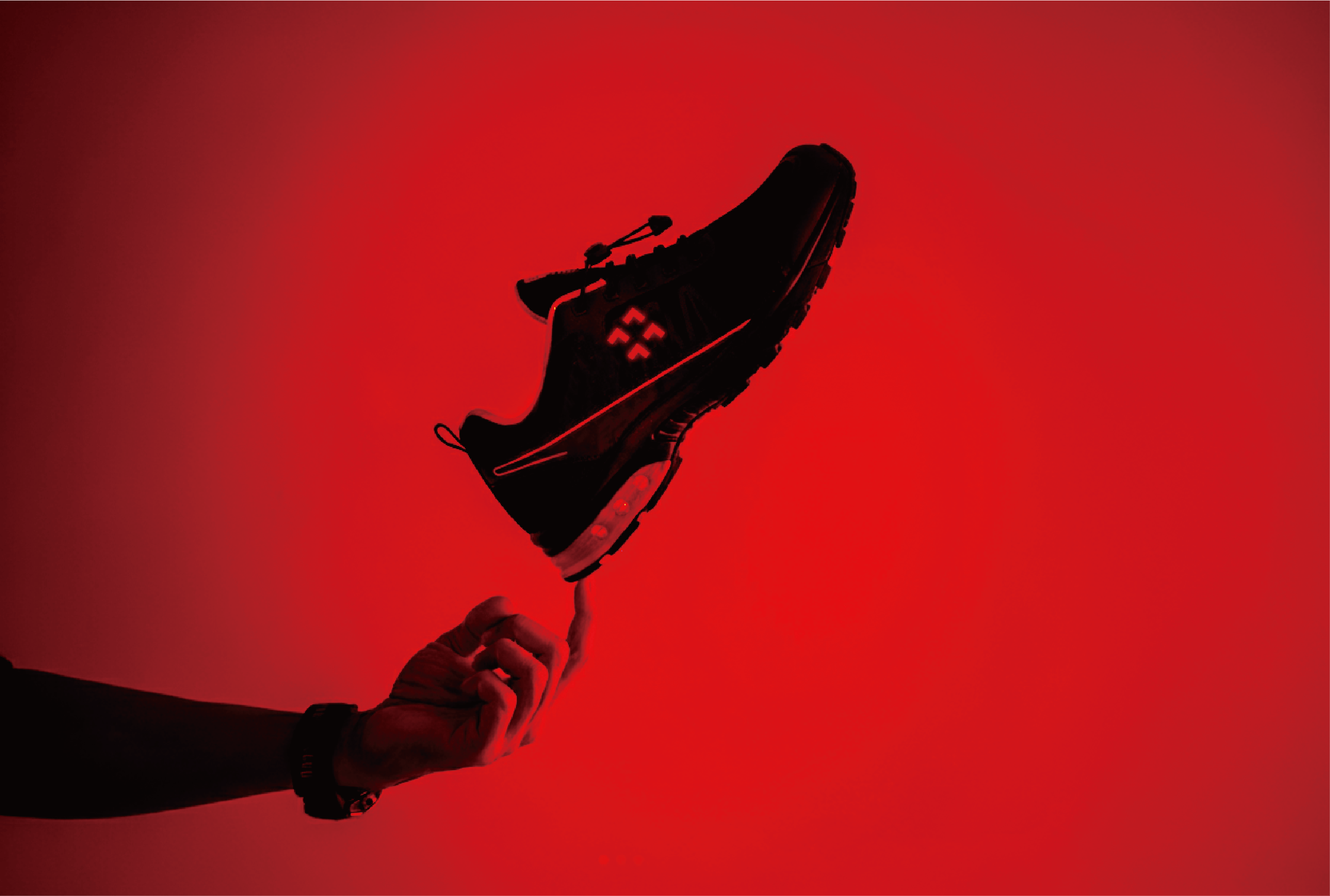
La tendencia es clara: el calzado de seguridad se está volviendo más ligero, más cómodo y más atlético. En 5 años, la distinción entre "zapato de seguridad" y "zapatilla" se desdibujará hasta el punto de ser irrelevante.
Marcas como SPIEZ están liderando este cambio — demostrando que no tienes que elegir entre protección y comodidad. El futuro de la seguridad en el lugar de trabajo no es una armadura más pesada. Es un diseño más inteligente.
**Tus pies merecen algo mejor.**
[Experimenta la seguridad ligera → spiezcollection.com](https://spiezcollection.com)
*SPIEZ — Construido para los que construyen*