

NUESTRA HISTORIA11
—Nuestra herencia · El origen
EL ESPÍRITU
DE SPIEZ
Desde un castillo milenario en el lago Thun hasta los pies de quienes construyen el mundo: descubre cómo una ciudad suiza se convirtió en una marca.
LOS ÚNICOS
QUIÉN CONSTRUYE.
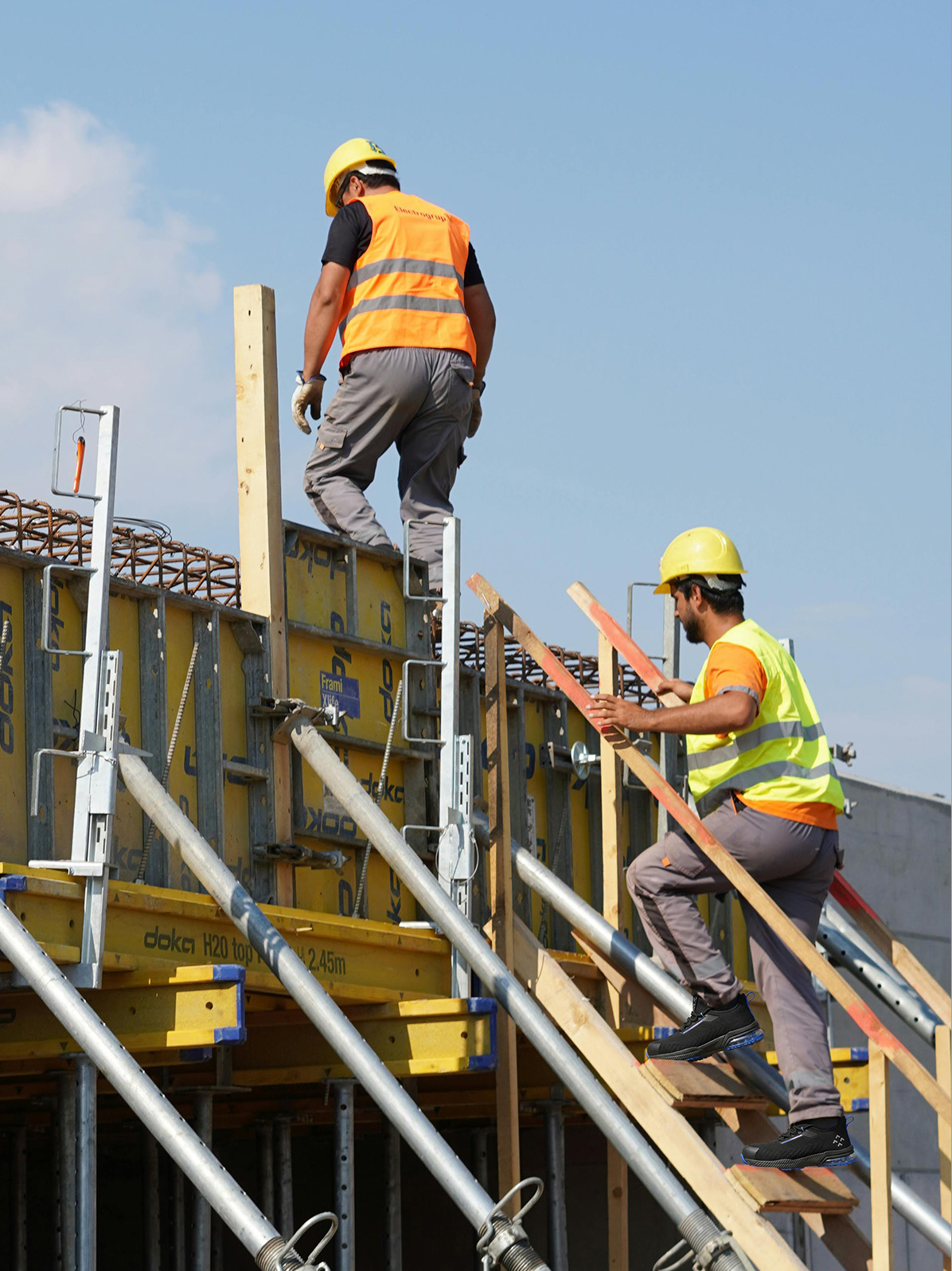
No hecho para todos. No diseñado para un piso de exhibición. Diseñado pensando en constructores, arquitectos y trabajadores de obra. Para aquellos que construyen el mundo bajo sus pies.
Cada material. Cada puntada. Cada unidad de suela — diseñada para rendir cuando más importa. Porque la persona que construye todo merece una bota que nunca le falle.
COMPRAR TODAS LAS COLECCIONES →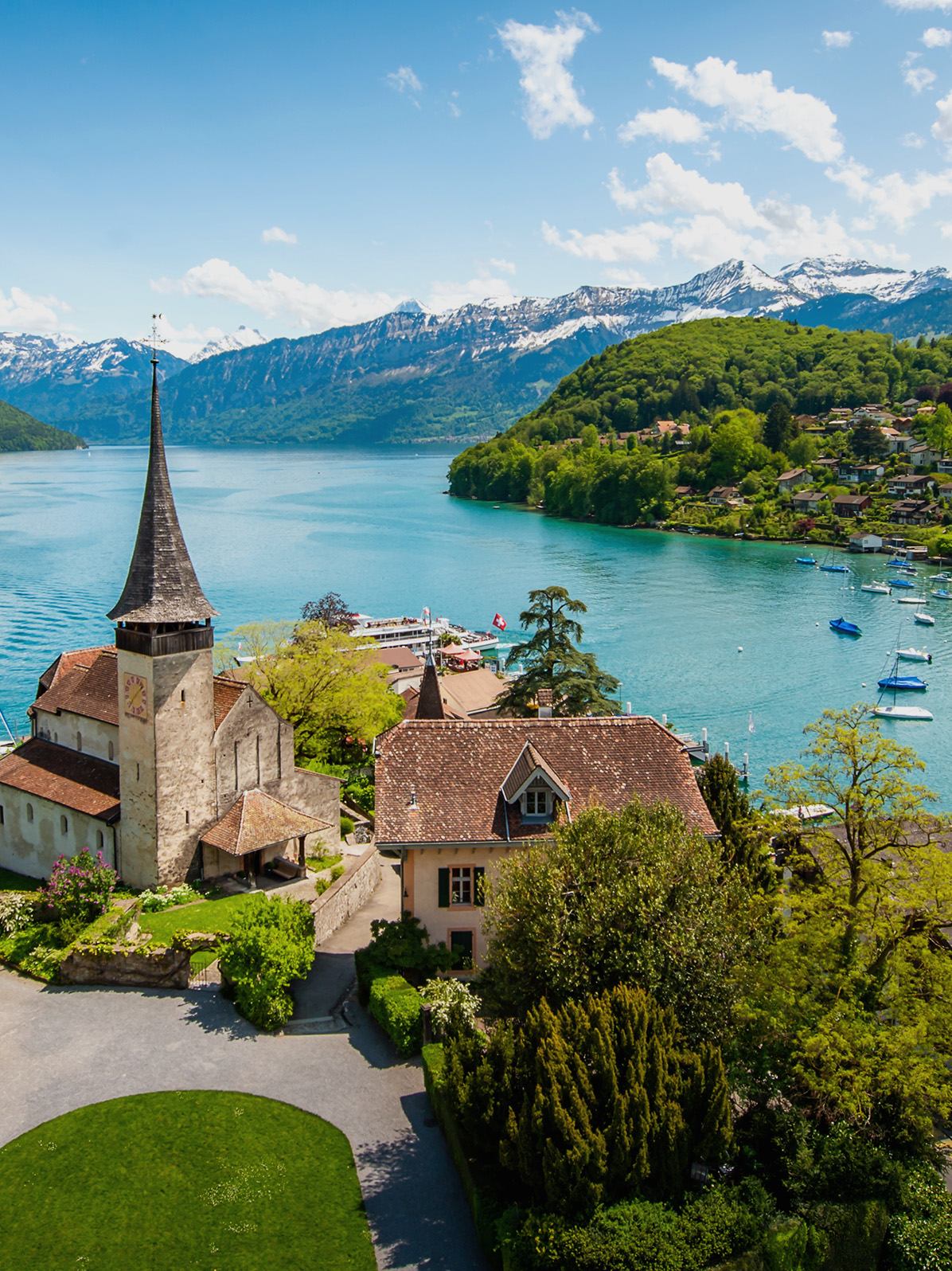
Año 933 d.C.
Año 933 d.C. — Un castillo construido para perdurar
En la costa suroeste del lago Thun, donde los Alpes berneses reflejan su imagen en aguas cristalinas, se erige un castillo que ha resistido más de un milenio. En el año 933 d.C., Rodolfo II, rey de Borgoña, ordenó la construcción del castillo de Spiez — un centinela que vigila las rutas comerciales, los viñedos y el paso del tiempo.
El castillo cambió de manos a través de las dinastías — von Strättligen, von Bubenberg, von Erlach — cada una construyendo sobre lo que vino antes. Nunca derribando. Siempre refinando.
"Construido para aquellos que construyen — y hecho para durar. Este es el principio del que nació la marca SPIEZ."
DE LOS ORIGINALES QUE CONSTRUYEN
EL ORIGINAL
LOS QUE CONSTRUYEN
La gente de Spiez nunca fue aristócrata ociosa. Eran cultivadores que cuidaban viñedos documentados por primera vez en 1338. Pescadores que extraían sustento de las aguas alpinas. Comerciantes que enviaban mercancías a lo largo del lago. Constructores que erigían murallas de la ciudad, fortificaciones de castillos, una iglesia románica que aún se mantiene después de mil años.
Fueron los "constructores" originales.
SPIEZ footwear existe para sus descendientes modernos: las personas que construyen cimientos, cablean edificios, abastecen almacenes, curan pacientes y alimentan naciones.
TODOS LOS PRODUCTOSLLEVA UN LUGAR
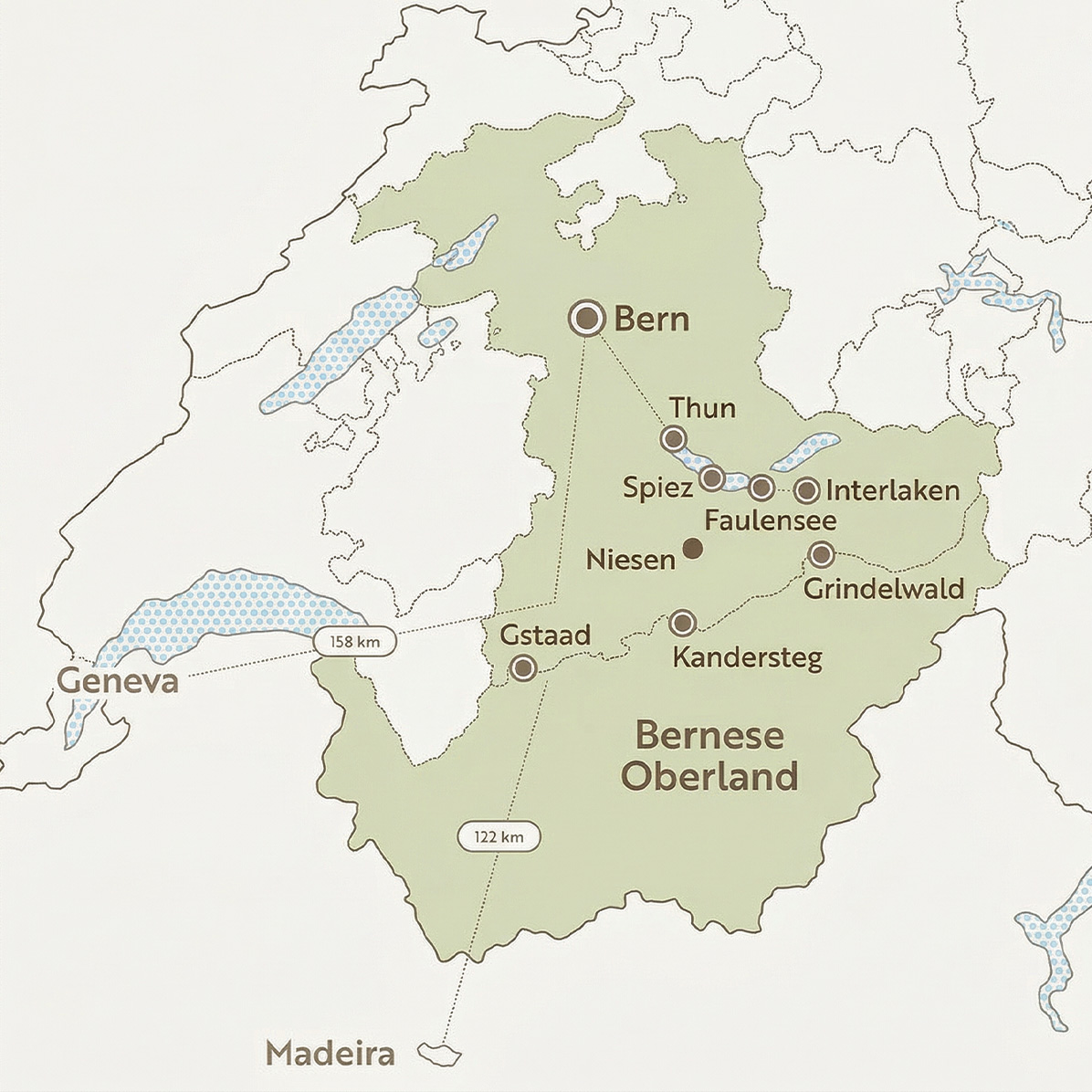
La geografía como arquitectura de marca. Cada serie lleva el nombre de un lugar suizo o bernés, y cada nombre tiene una historia.
La geografía como arquitectura de marca
LA GEOGRAFÍA COMO ARQUITECTURA DE MARCA
La marca en sí es una ciudad suiza — SPIEZ, población 12,000, a orillas del lago Thun en el cantón de Berna. Cada serie de productos lleva el nombre de un lugar suizo o bernés, y cada nombre de lugar lleva una historia que se conecta con el carácter del producto.
Esto crea un catálogo de productos que se lee como un mapa de Suiza. Cuando nombras un producto después de un lugar, no solo le das una etiqueta, sino que le das un hogar. Y cuando ese hogar es Suiza, le das un linaje.
EXPLORA EL MAPA DE LA MARCA →|
Spiez
Ciudad castillo en el lago Thun. Fundada en el año 933. El centinela — resistencia, precisión, los que construyen.
|
BERNA
Capital Federal desde 1848. Ciudad Vieja de la UNESCO. Línea insignia — máxima protección y refinamiento.
|
GINEBRA
La ciudad internacional de Suiza. Hogar de la Cruz Roja y de la ONU. Línea de estilo activa: deportiva, dinámica, diseñada para el movimiento.
|
|
ALGODÓN
Puerta a la región de Berna. Ciudad antigua medieval, tradición militar. Resistente, versátil, todoterreno.
|
INTERLAKEN
Entre el lago Thun y el lago Brienz. La capital de la aventura. Ligero, ágil, para aquellos que se mueven entre mundos.
|
ESTORNUDO
La propia montaña local de Spiez — forma geométrica perfecta sobre el lago. Línea de altura / altitud. Construido para la elevación.
|
|
DÍA DEL NIÑO
Hogar del túnel Lötschberg de 35 km: ingeniería a través de roca alpina. Industrial / de alta resistencia. Protección de grado túnel.
|
GRINDELWALD
Al pie de la cara norte del Eiger. Terreno extremo, belleza extrema. Línea de frío extremo / invierno — aislada, impermeable.
|
FAULENSEE
Un tranquilo pueblo dentro del municipio de Spiez. Calmado, accesible, cotidiano. Comodidad / atención médica / hospitalidad.
|
|
GSTAAD
```
Estación de esquí de lujo accesible desde Spiez. Riqueza discreta, excelencia silenciosa. Edición premium / limitada.
```
|
El fantasma de Spiez
EL ESPÍRITU
DE SPIEZ
El espíritu de Spiez: la historia de cómo un tranquilo pueblo en el lago Thun dio origen a una de las mayores leyendas del fútbol.
EL MILAGRO DE BERN, NACIDO EN SPIEZ
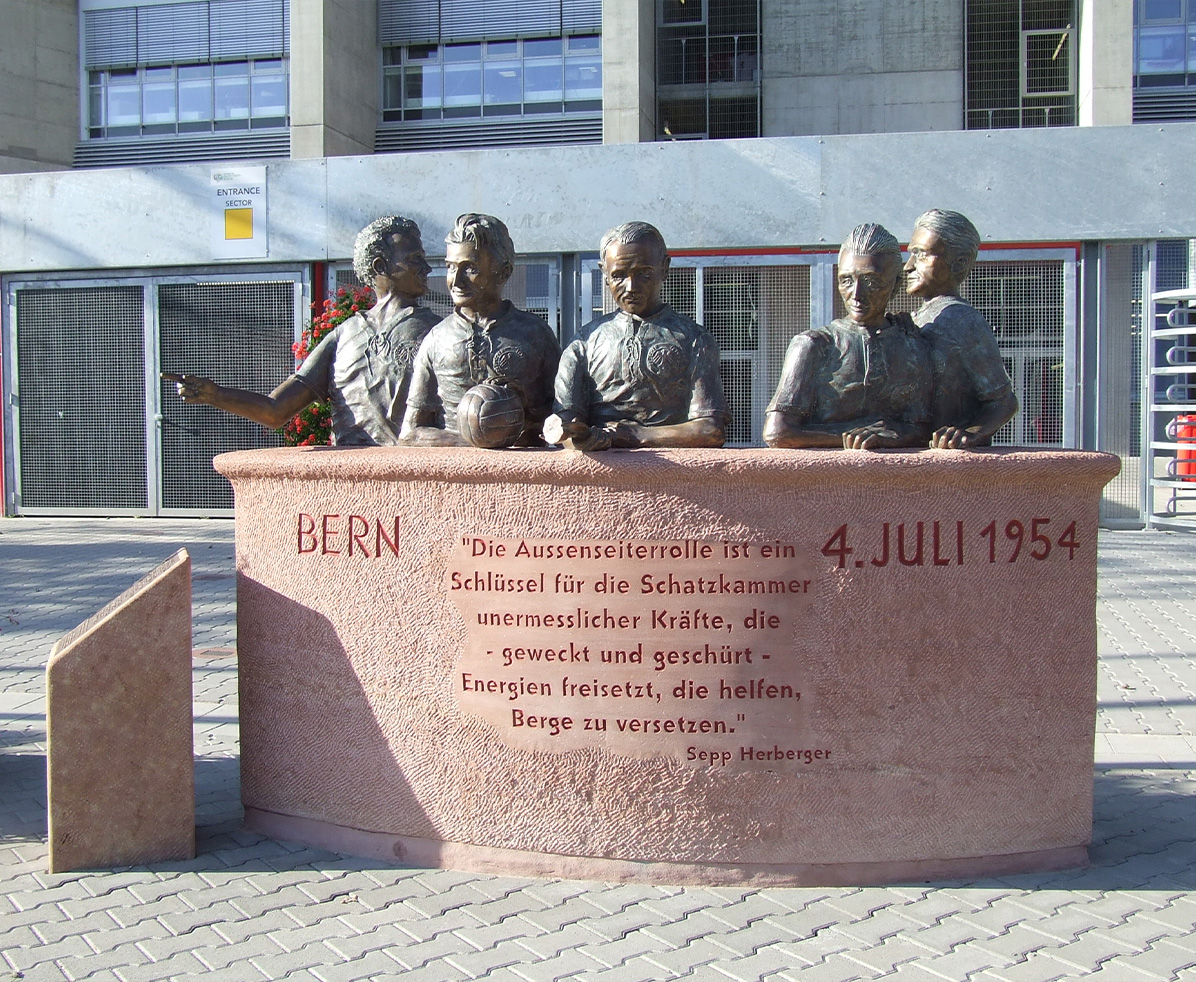
1954. La Copa Mundial de la FIFA llega a Suiza. Una Alemania Occidental destrozada — que aún se reconstruye de las ruinas de la guerra, alineando jugadores semiprofesionales que tenían trabajos secundarios como banqueros y propietarios de lavanderías — establece su base en el Strandhotel Belvédère en Spiez, en la tranquila orilla del lago Thun.
Allí, el entrenador Sepp Herberger forjó algo extraordinario. No tácticas. Espíritu. Dijo: "Debes ser once amigos." Alojó al desanimado capitán Fritz Walter con el irreprimible optimista Helmut Rahn. Caminó con los jugadores a lo largo del lago uno por uno, construyendo lazos que trascendían un juego.
El 4 de julio de 1954, bajo una lluvia torrencial en Berna, Alemania Occidental regresó de un 0-2 para derrotar a la "imbatible" Hungría 3-2. Das Wunder von Bern — El Milagro de Berna. Ese espíritu de equipo se llamó Der Geist von Spiez — El Espíritu de Spiez.
"El buen espíritu de Spiez contribuyó al equipo que logró hacer realidad el milagro de Berna."
— Fritz Walter, capitán, campeones de la Copa del Mundo de 1954
LA TECNOLOGÍADE "CONSTRUIDO"
Desde cero, cuatro sistemas patentados definen la capa de rendimiento de cada producto en la gama SPIEZ. Cada uno surgió de décadas de investigación de campo y ingeniería de materiales.
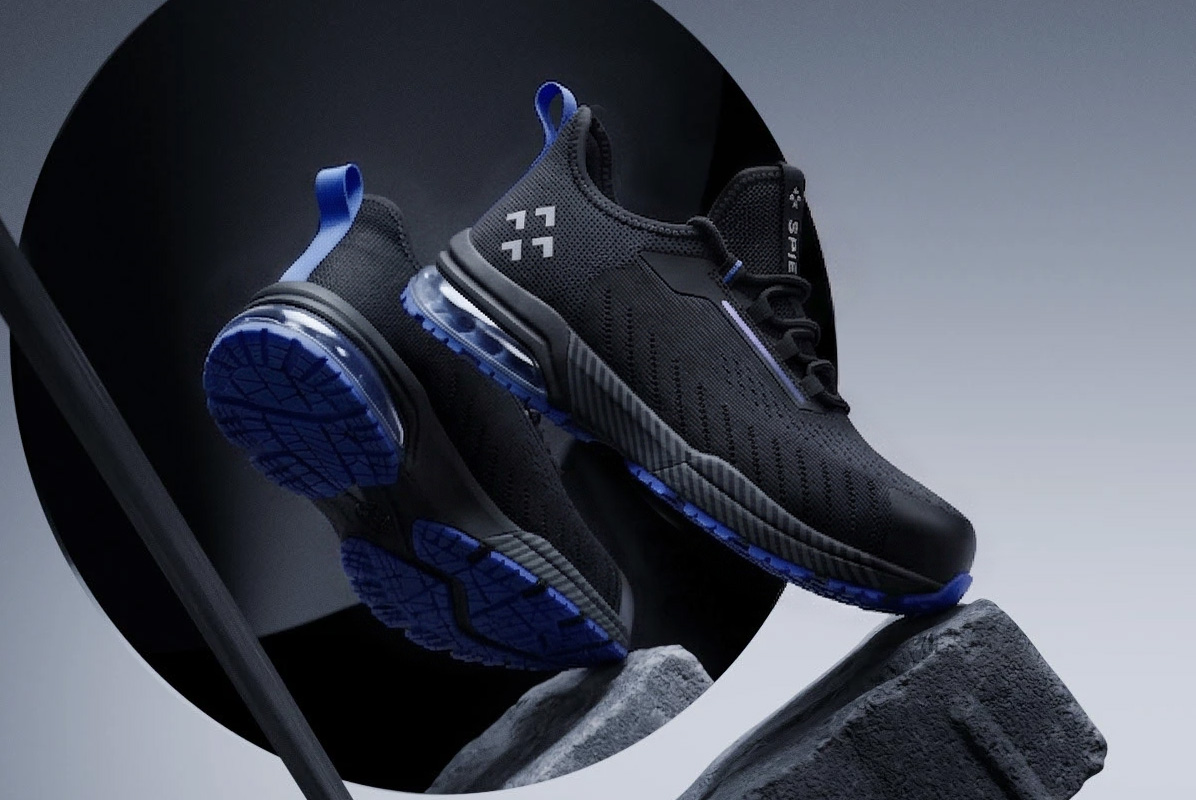
El compuesto superior desarrollado específicamente para la resistencia a perforaciones y la protección contra la abrasión en entornos con alta cantidad de escombros. Probado contra más de 400 ciclos de impacto de bordes afilados sin fallos estructurales ni entrada de agua.
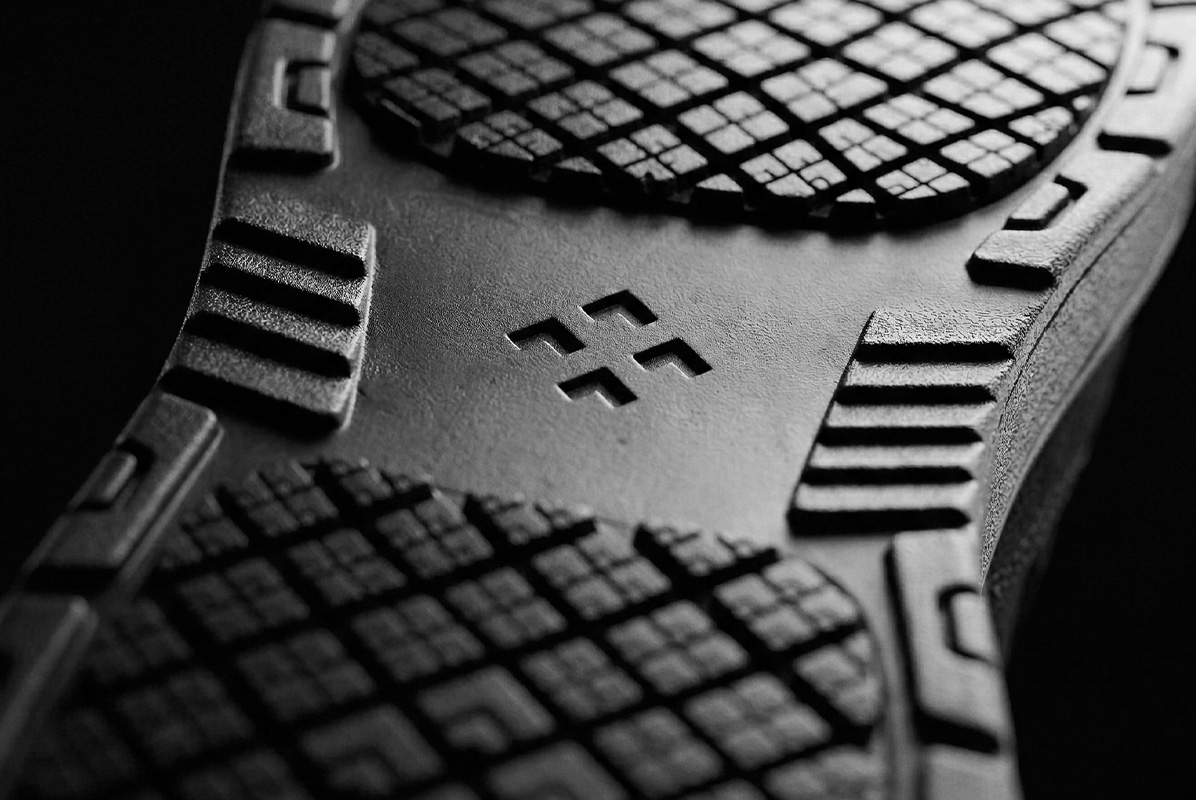
Compuesto de goma de suela patentado con geometría de tacos modelada en los patrones de neumáticos utilizados en vehículos de rescate en montaña suizos. Diseñado para un agarre máximo en superficies de aceite, agua y escombros sueltos.
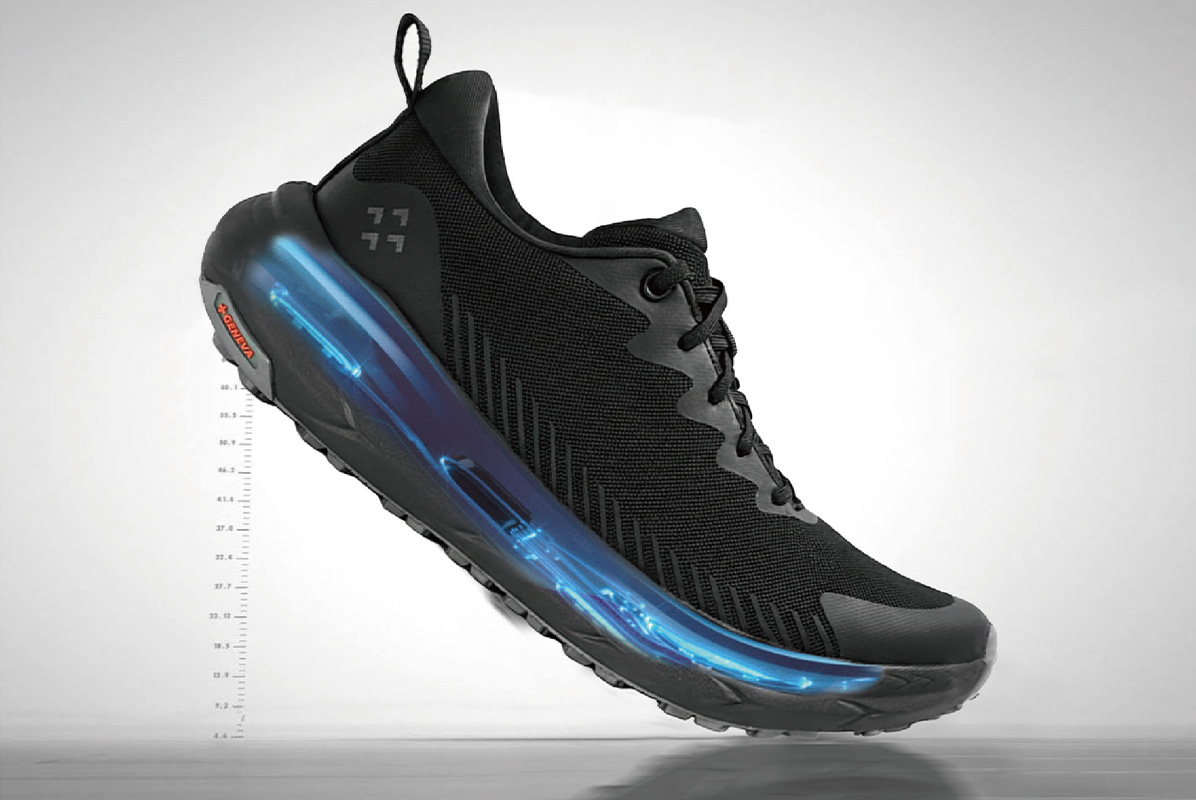
Doble densidad de la entresuela de EVA con una capa interna receptiva y una estructura externa que absorbe impactos. La arquitectura anti-fatiga de larga duración se desarrolló a partir de investigaciones ortopédicas realizadas en Berna en 2019.
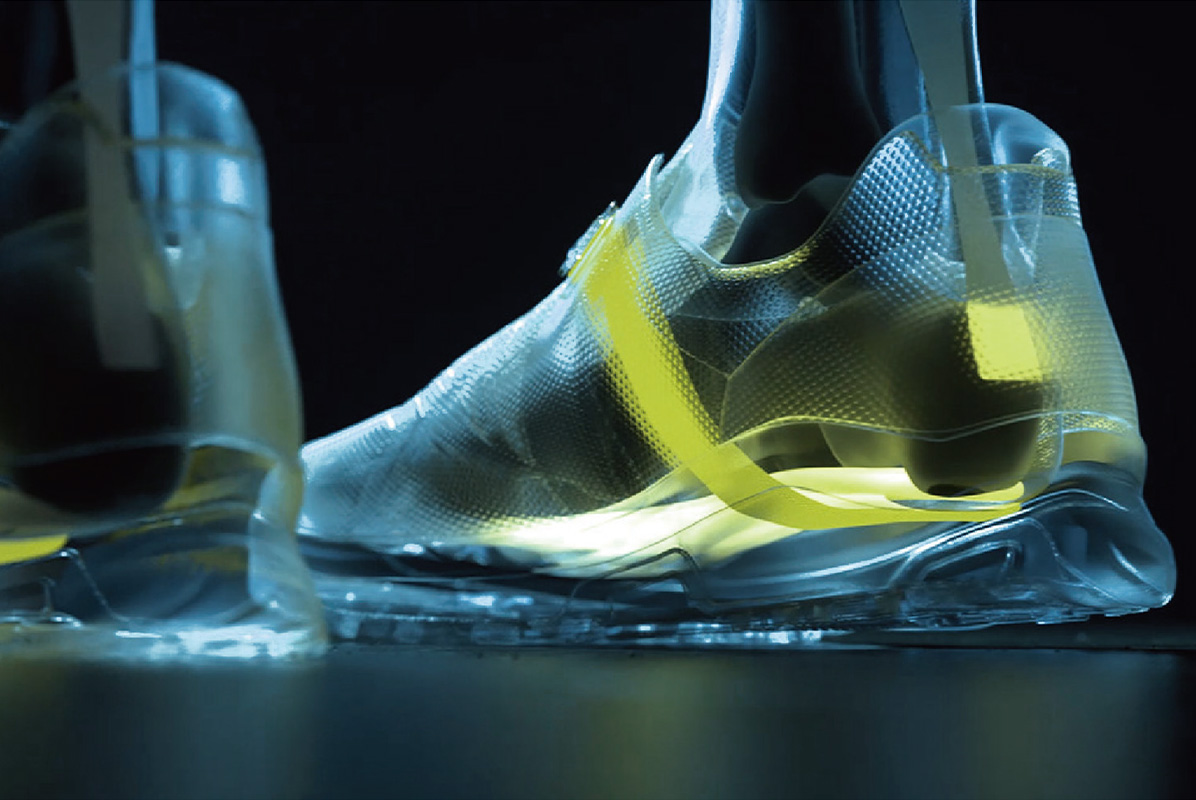
Un sistema de soporte estructural del talón al arco integrado en el chasis de la plantilla. Reduce el giro lateral en superficies irregulares en un 34% en comparación con los métodos de construcción de botas de seguridad estándar en todas las condiciones del sitio.
HERENCIA
CRONOLOGÍA
Mil años de construcción, destilados.
- + 933 d. C. Castillo de Spiez construido por Rodolfo II — una fortaleza diseñada para perdurar. La primera "construcción."
- + 1191 Bern fundado. El oso se convierte en el símbolo eterno de la fuerza arraigada.
- + 1338 Viñedos de Spiez documentados. La base correcta crea resultados excepcionales.
- + ~1530 La relojería suiza comienza. Precisión incorporada en cada mecanismo.
- + 1848 ``` Berna se convierte en la Capital Federal. Integridad construida sobre fundamentos democráticos. ```
- + 1954 El espíritu de Spiez. Once amigos construyen el milagro de Berna.
- + AHORA SPIEZ Footwear. Una ciudad suiza se convirtió en una marca. Cada producto lleva un lugar. Construido para aquellos que construyen.
CONSTRUIDO PARA EL
LOS QUE CONSTRUYEN.
COMPRAR TODAS LAS COLECCIONES →