

Laboratorio Spiez11

Laboratorio Spiez · Ingeniería Suiza
LA TECNOLOGÍA
DE "CONSTRUIDO"
Cada tecnología en SPIEZ comenzó de la misma manera: con un problema que ninguna solución existente podía resolver. Desarrollada, probada y perfeccionada hasta que el resultado fue innegable.
01
Sistema de suela Wunder Grip™
PREGUNTARSE
GRIP™
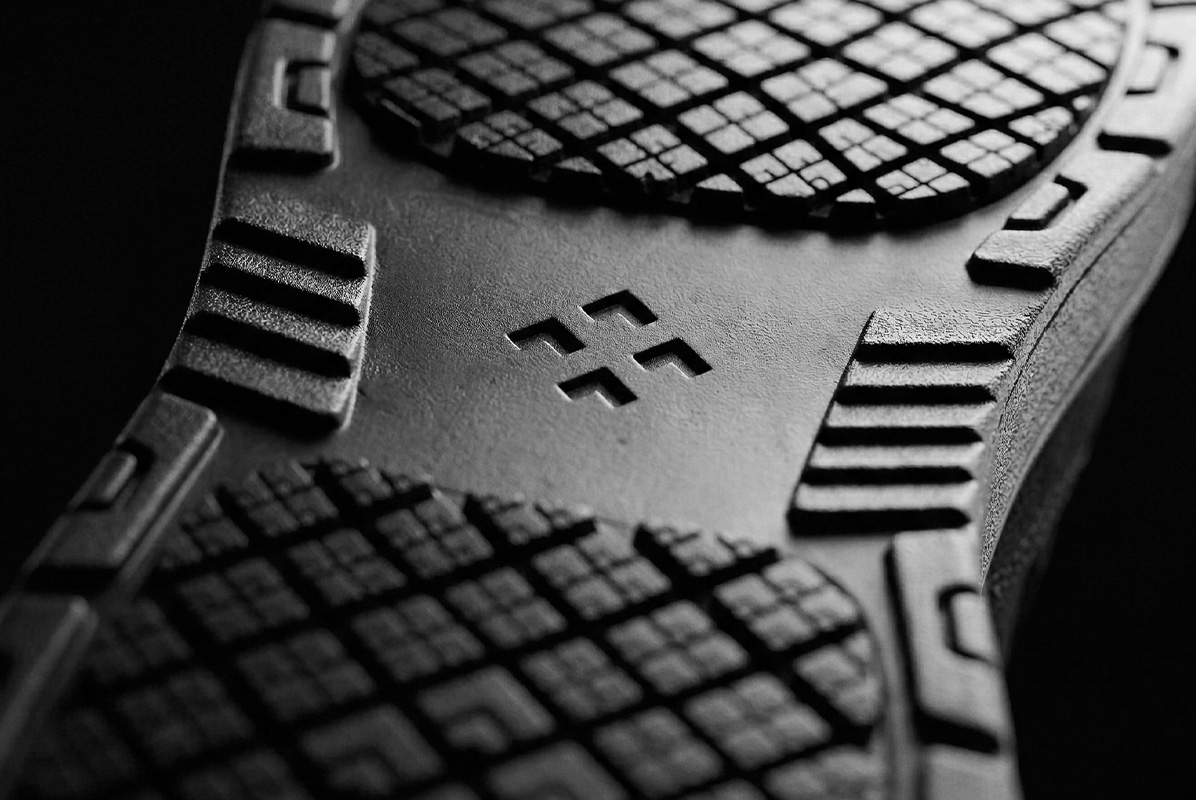
Tracción multidireccional patentada. Probado donde las certificaciones se detienen — en las superficies donde las personas realmente trabajan.
Historia de origen · El problema
Los pisos de cocina no cumplen con ningún estándar de deslizamiento existente por diseño: están cubiertos de emulsiones de aceite, no de agua. Las certificaciones estándar se prueban con agua.Hicimos la prueba con lo que realmente hay allí.
Wunder Grip™ comenzó como un compuesto y geometría de banda de rodadura patentados desarrollados específicamente para superficies contaminadas con ácido oleico. El resultado funcionó a niveles que ninguna suela estándar podría igualar.Ese fue el comienzo de nuestro propio estándar.
"La empuñadura que lleva el cambio — en cada superficie en la que nunca fue probada."
Especificaciones técnicas
SRC
Clasificación de resistencia al deslizamiento
4×
Condiciones de prueba de superficie
360°
Direccionalidad de la banda de rodadura
≥30°
Ángulo de contacto mínimo en húmedo
Aplicado en
Validado en múltiples superficies
Probado en azulejos de cerámica, acero pulido, concreto húmedo y superficies de cocina aceitosas: las cuatro condiciones que las certificaciones existentes no combinan.
Ingeniería compuesta
El compuesto de goma está ajustado a nivel molecular para maximizar el coeficiente de fricción en la contaminación de líquidos tanto polares como no polares.
Protocolo de durabilidad
Rendimiento de agarre validado para mantener más del 85% de efectividad durante un mínimo de 1,500 horas de uso activo — probado en un banco de pruebas de abrasión mecánica.
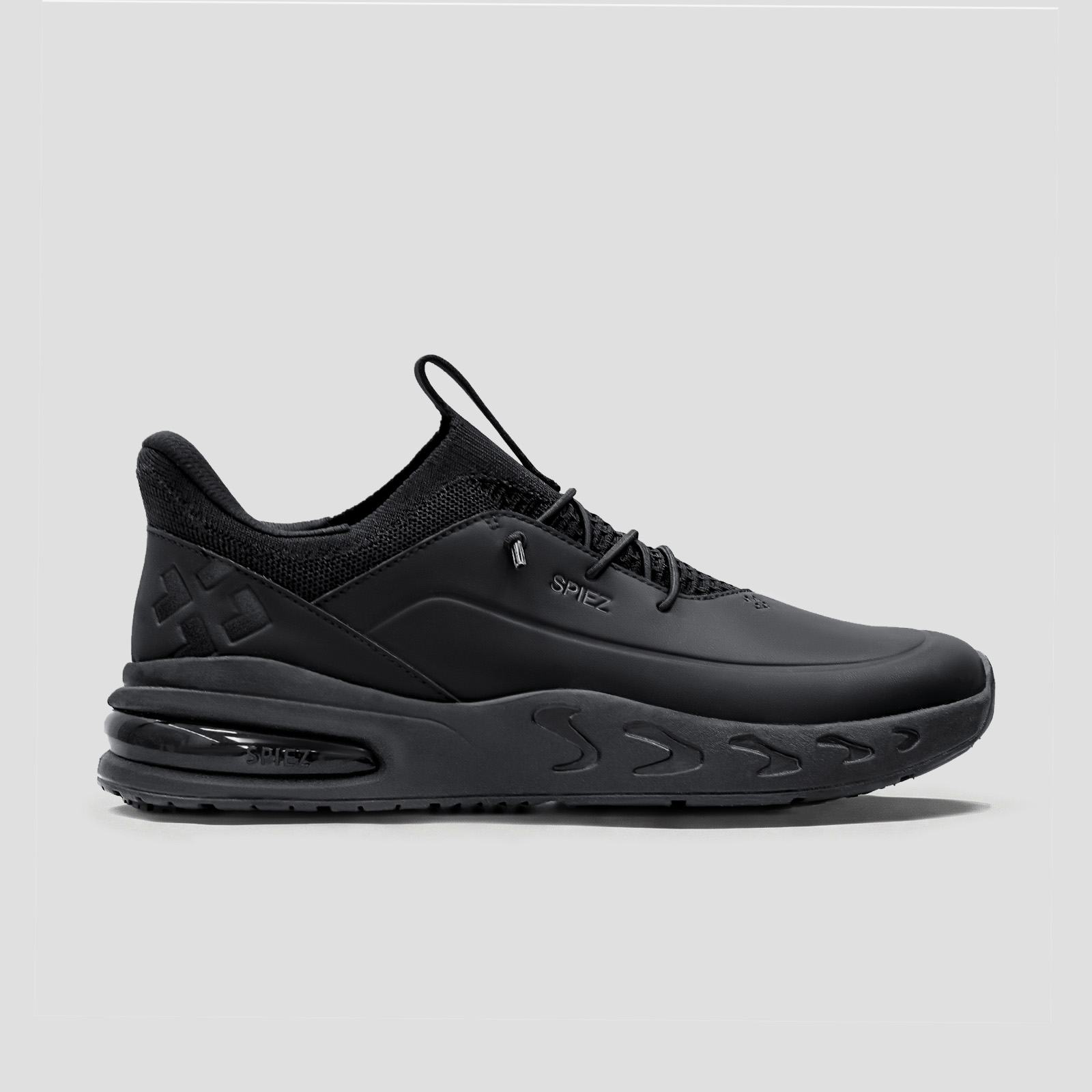
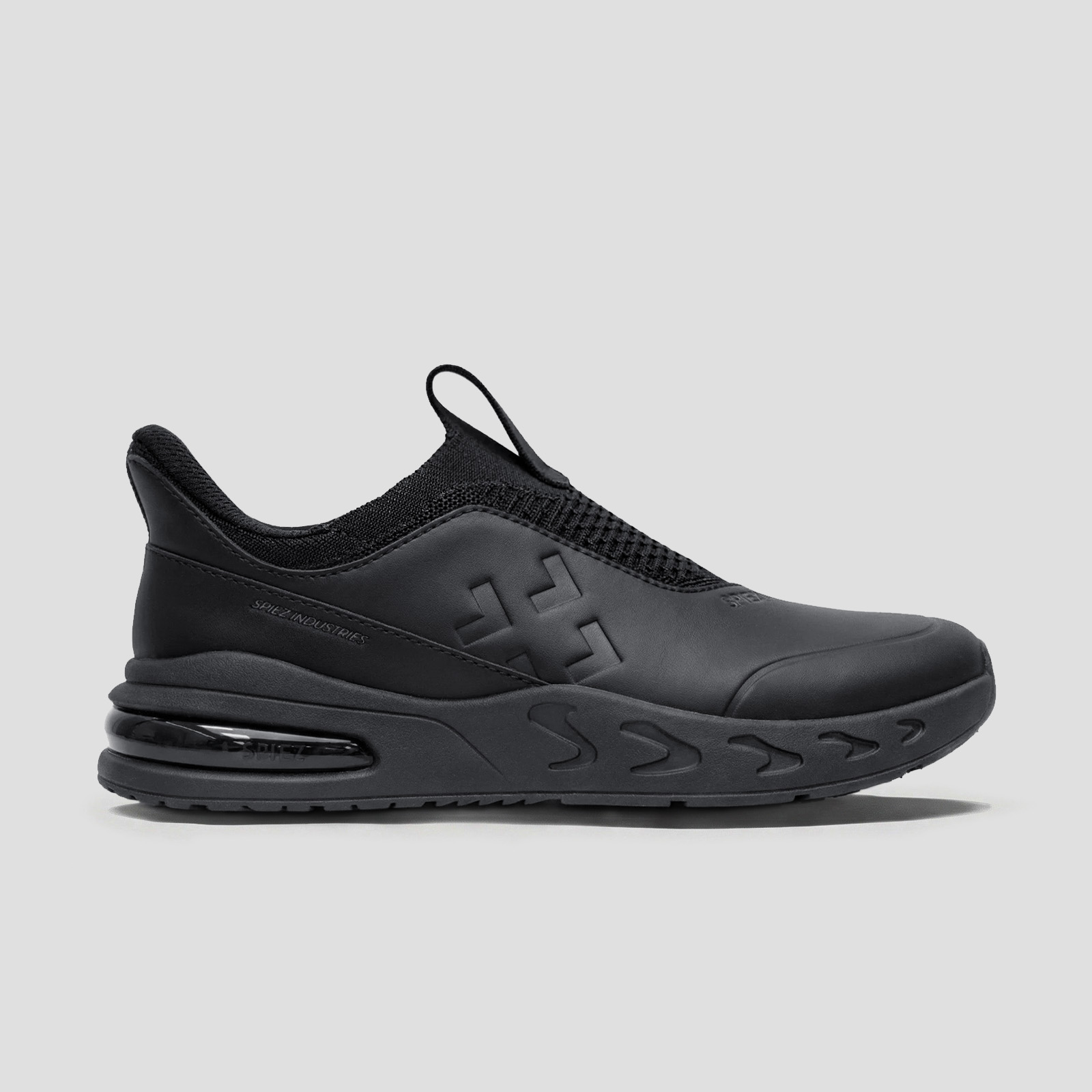
Presentado en Wunder Grip™ — Serie Ginebra
Ver todos los antideslizantes →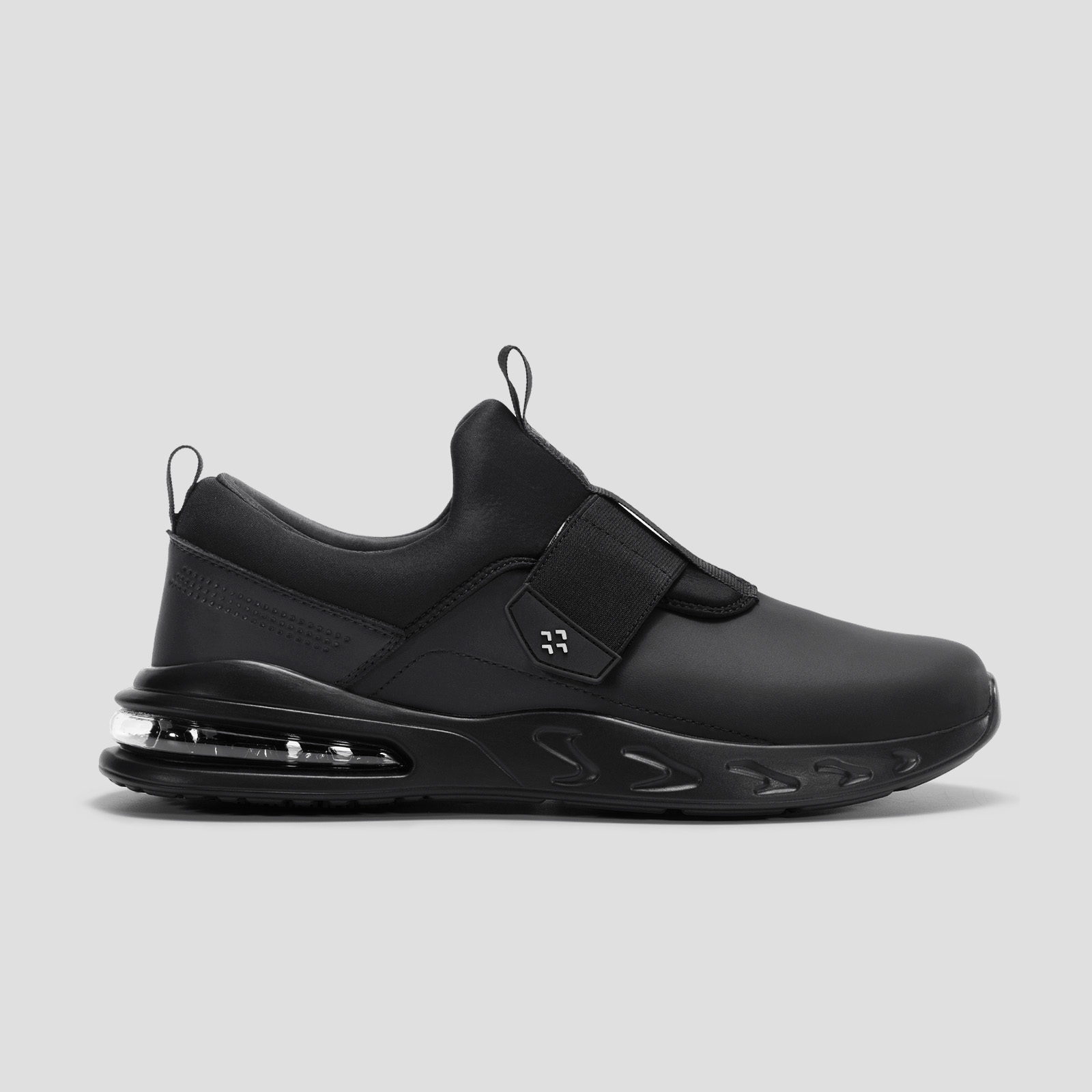
02
ShieldX™ · Arquitectura de protección
BLINDAJEX™
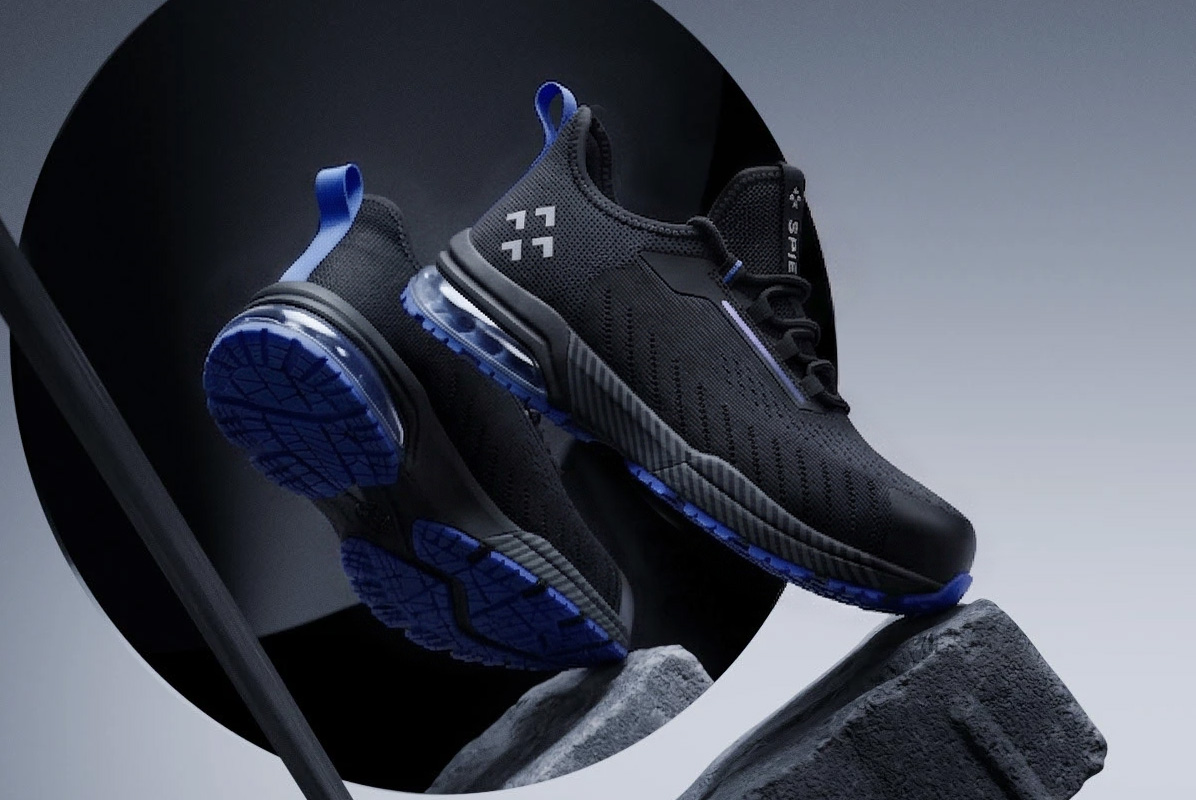
Sistema de protección compuesta. Más ligero que el acero. No conductivo. Diseñado como una única arquitectura, no como una colección de piezas.
Historia de origen · El problema
Los dedos de acero pasan todas las pruebas de impacto. También conducen electricidad, añaden 180g de peso muerto y activan la seguridad del aeropuerto.La solución estándar resolvió el problema equivocado.
ShieldX™ utiliza una estructura de rejilla de compuestos de carbono derivada de aplicaciones aeroespaciales. La misma geometría utilizada para absorber fuerzas de choque en componentes de aeronaves —aplicado a donde tu pie se encuentra con un objeto que cae.
"Protección que fue diseñada desde adentro hacia afuera, no ensamblada a partir de componentes de catálogo."
Especificaciones técnicas
200J
Resistencia al impacto
-40%
Peso frente a puntera de acero
0
conductividad eléctrica
ESD
Clasificación antiestática
Aplicado en
Estructura derivada de la industria aeroespacial
La geometría de la red compuesta de carbono se origina en el diseño de fuselajes de aeronaves, donde la relación peso-resistencia bajo impacto es una cuestión de vida y seguridad.
Transparencia en los aeropuertos
La composición de carbono pasa a través de la detección de rayos X sin activar alertas metálicas. El único zapato de trabajo con clasificación de seguridad diseñado para profesionales que viajan.
Sistema integrado
La caja de los dedos, la placa de la entresuela y el contrafuerte del talón están diseñados como una estructura unificada de distribución de carga, no como componentes independientes adquiridos y ensamblados.
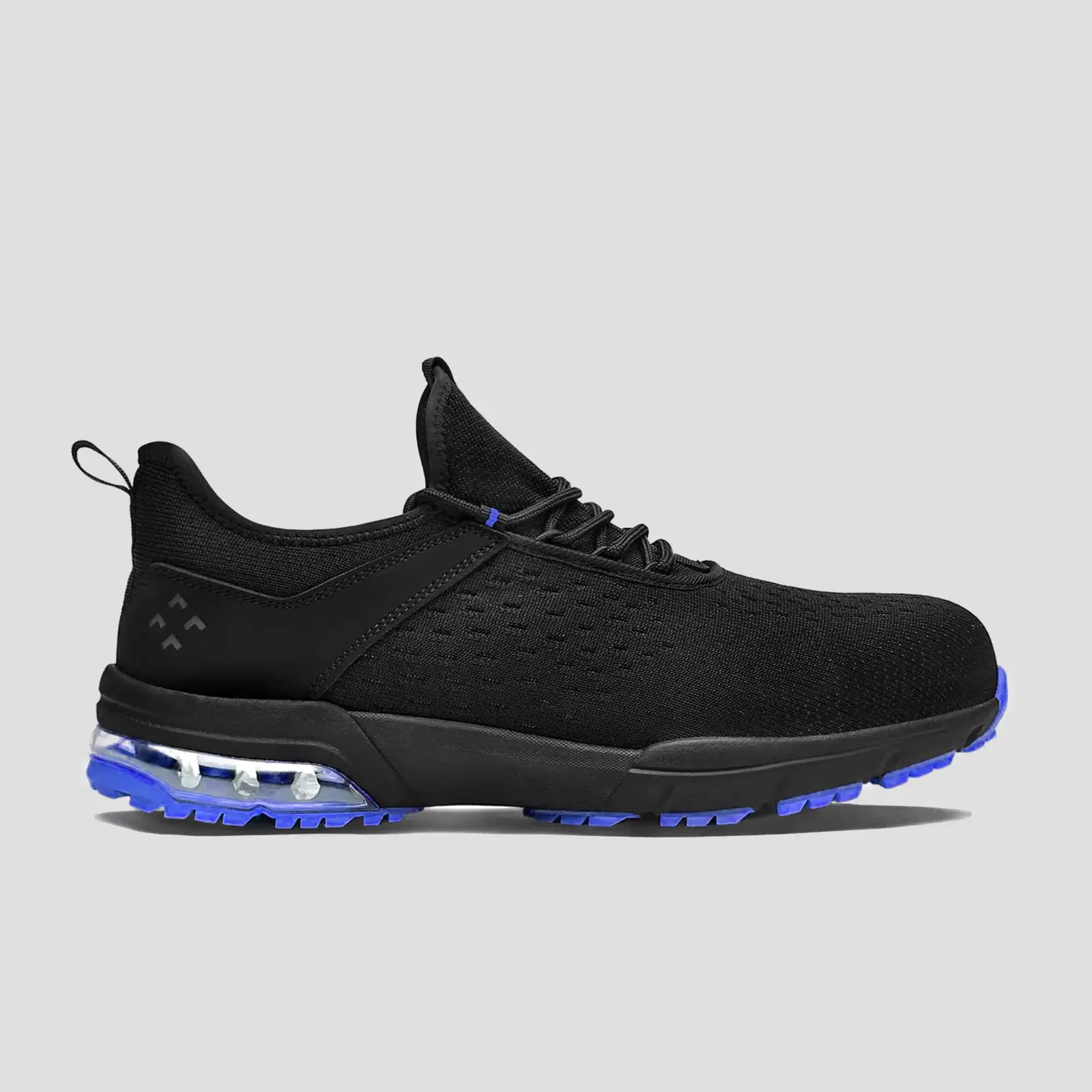
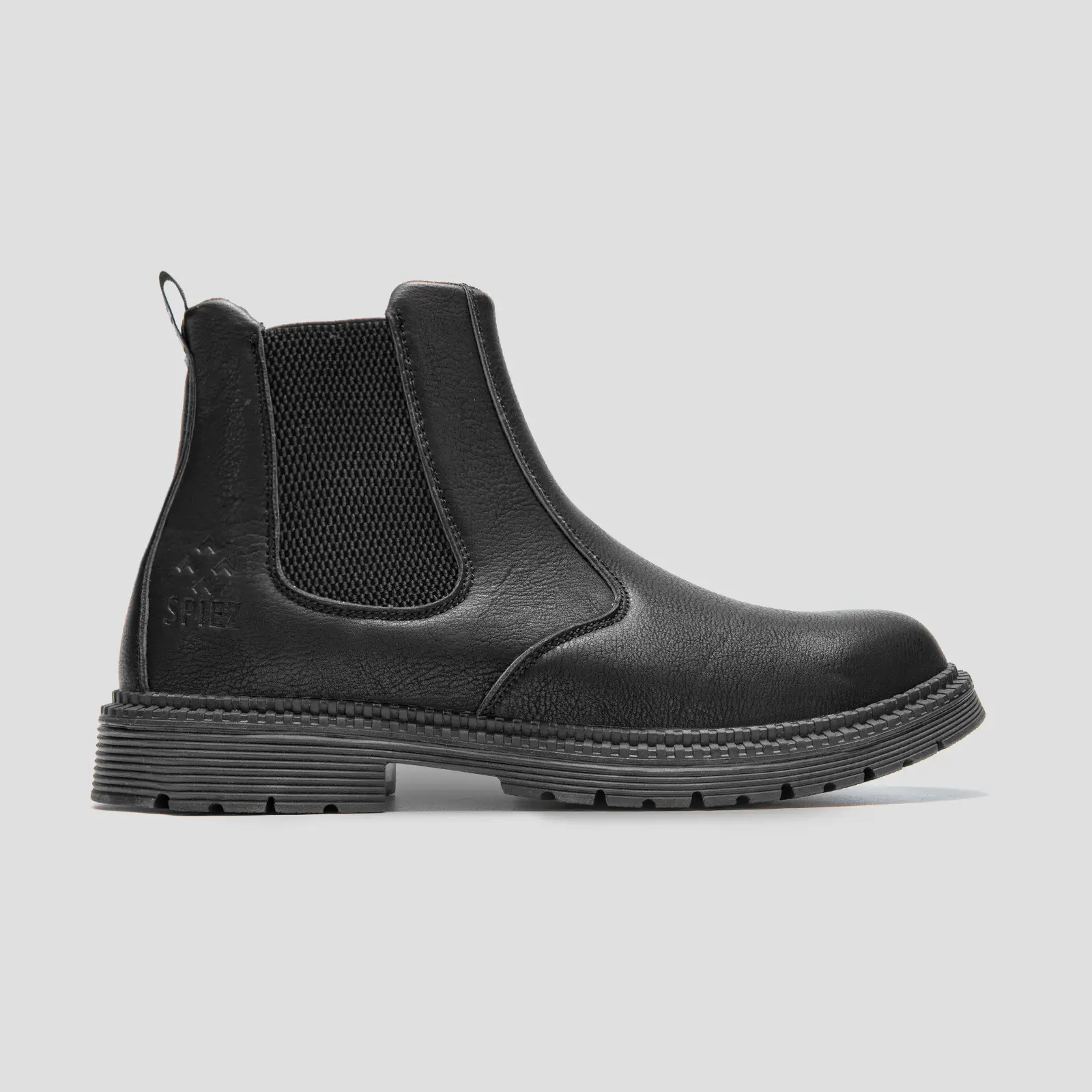
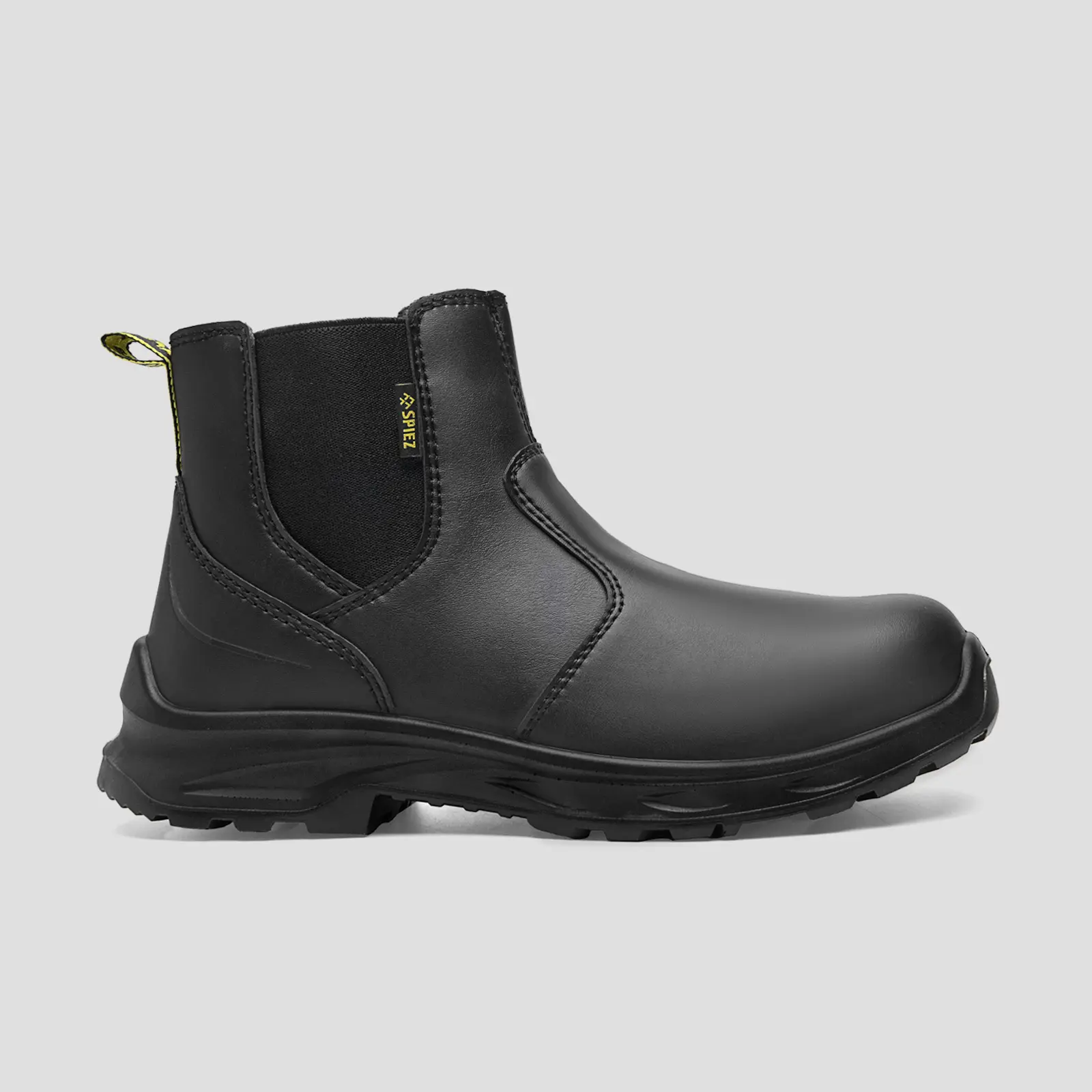
Presentado en ShieldX™ — Serie Grindelwald
Ver todos los zapatos de seguridad →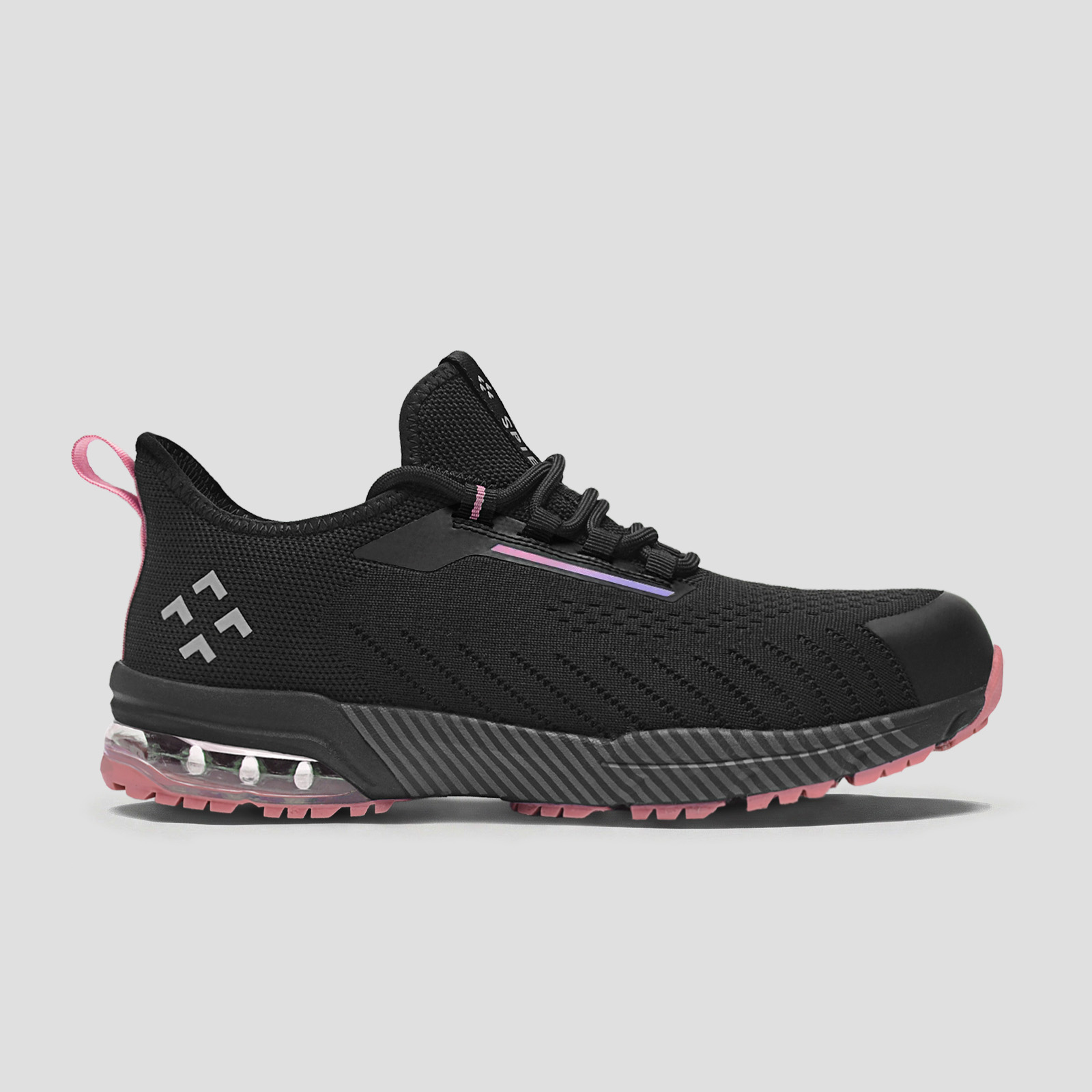
03
BernCore™ · Sistema de amortiguación
BERNACORE™
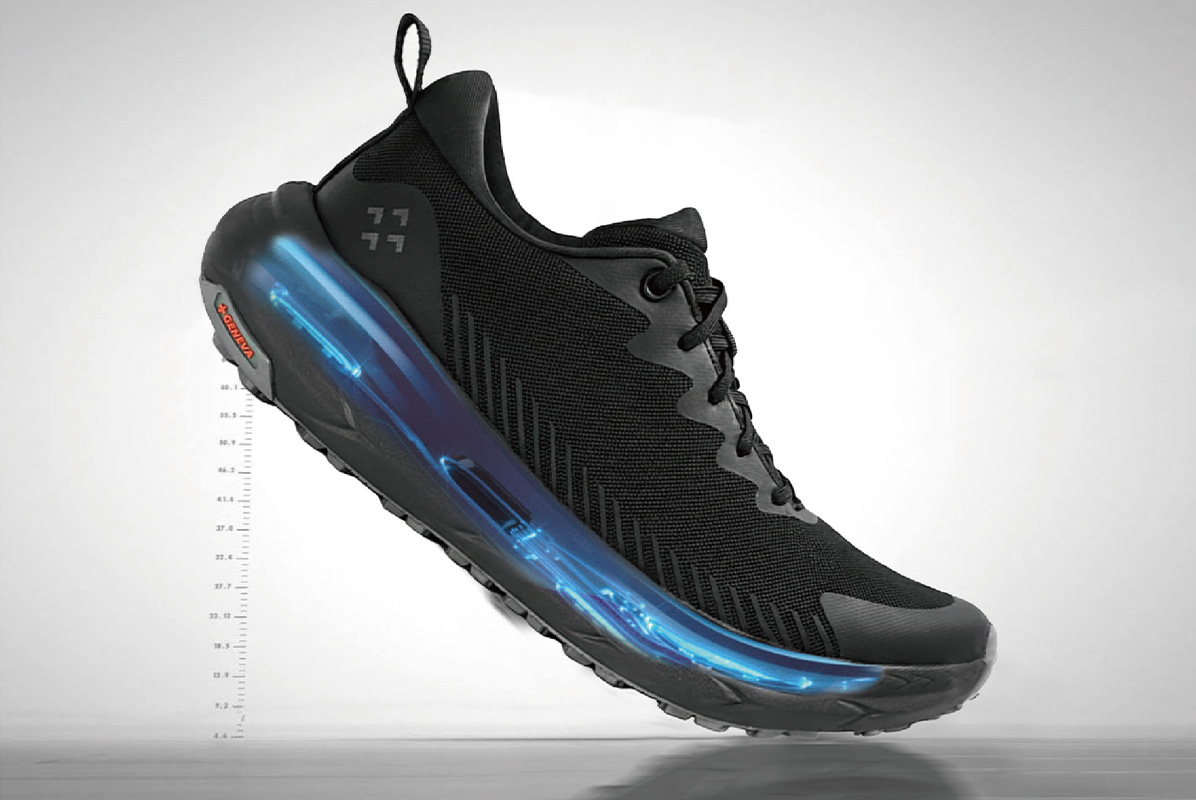
Amortiguación de media suela adaptativa inspirada en el equilibrio hidráulico del río Aare. Nunca demasiado blanda. Nunca demasiado dura. La misma respuesta a la hora diez que a la hora uno.
Historia de origen · La perspectiva
El río Aare mantiene una presión hidráulica constante a través de terrenos variables mediante la absorción de energía distribuida.Ese principio — no una formulación de espuma — se convirtió en el resumen del diseño.
La mayoría de las medias suelas degradan su rigidez después de 4 a 6 horas de carga continua. BernCore™ utiliza una arquitectura de densidad zonal que distribuye la compresión a lo largo de toda la plantilla.previniendo la fatiga localizada que causa dolor después de turnos largos.
"Diseñado para la hora doce. Así que la hora uno se siente igual."
Especificaciones técnicas
3
Zonas de densidad
Más de 12 horas
Duración del rendimiento
<5%
Degradación de la rigidez
-34%
Reducción de la fatiga a las 8 horas.
Aplicado en
Arquitectura de densidad zonal
Tres zonas de densidad distintas: talón, arco y antepié, cada una ajustada a la distribución de presión y al tipo de movimiento más común en entornos de trabajo profesionales.
Pruebas de duración de turno
Probado en rendimiento en simulaciones de carga continua de 12 horas, no en el estándar de la industria de 1 hora. Porque los turnos reales no terminan en la hora uno.
Reducción de la fatiga
Las pruebas independientes muestran una reducción del 34% en los marcadores de fatiga de las extremidades inferiores a la hora ocho en comparación con la construcción estándar de la entresuela de EVA en calzado comparable.
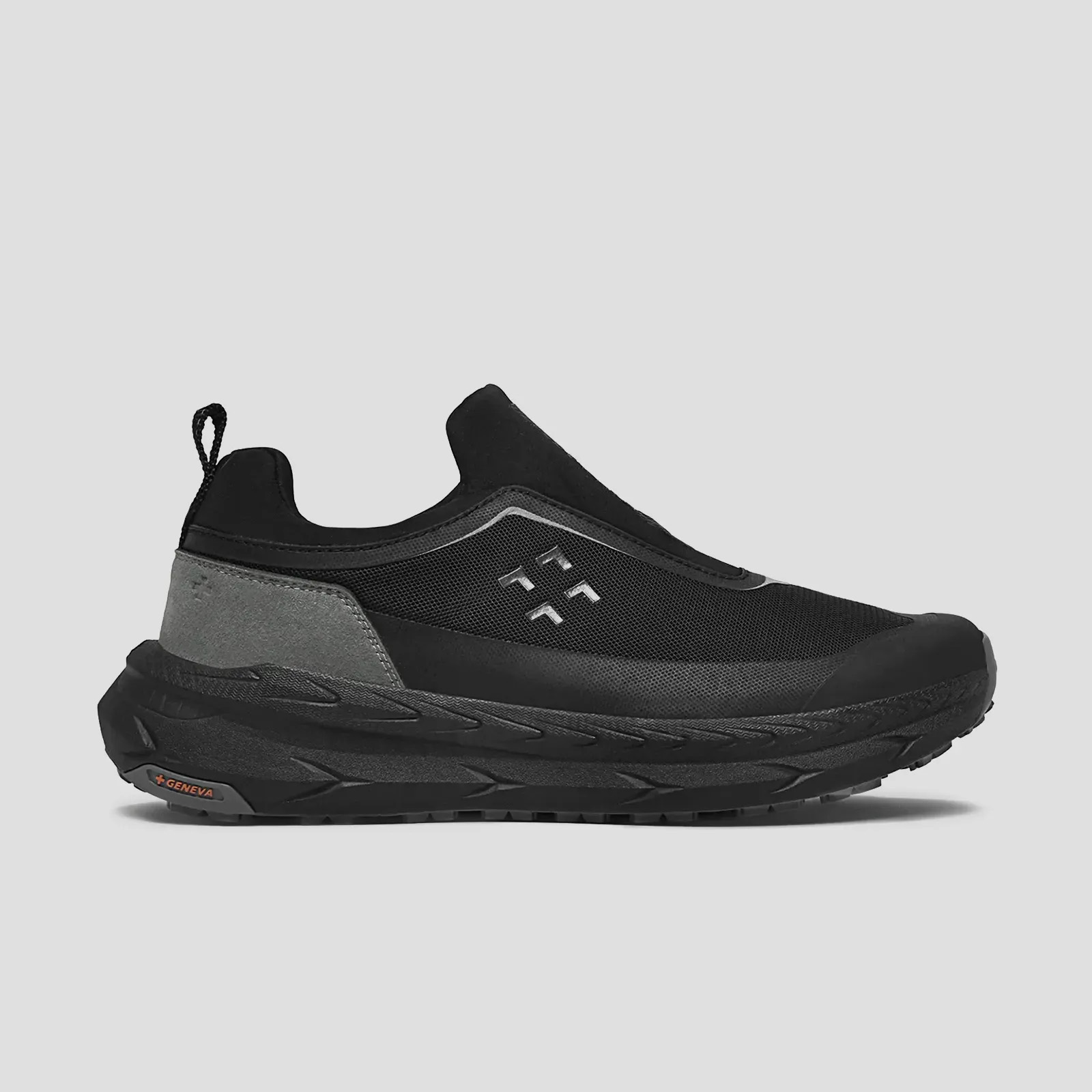
Presentado en BernCore™ — Serie Ginebra
Ver todos los zapatos de trabajo →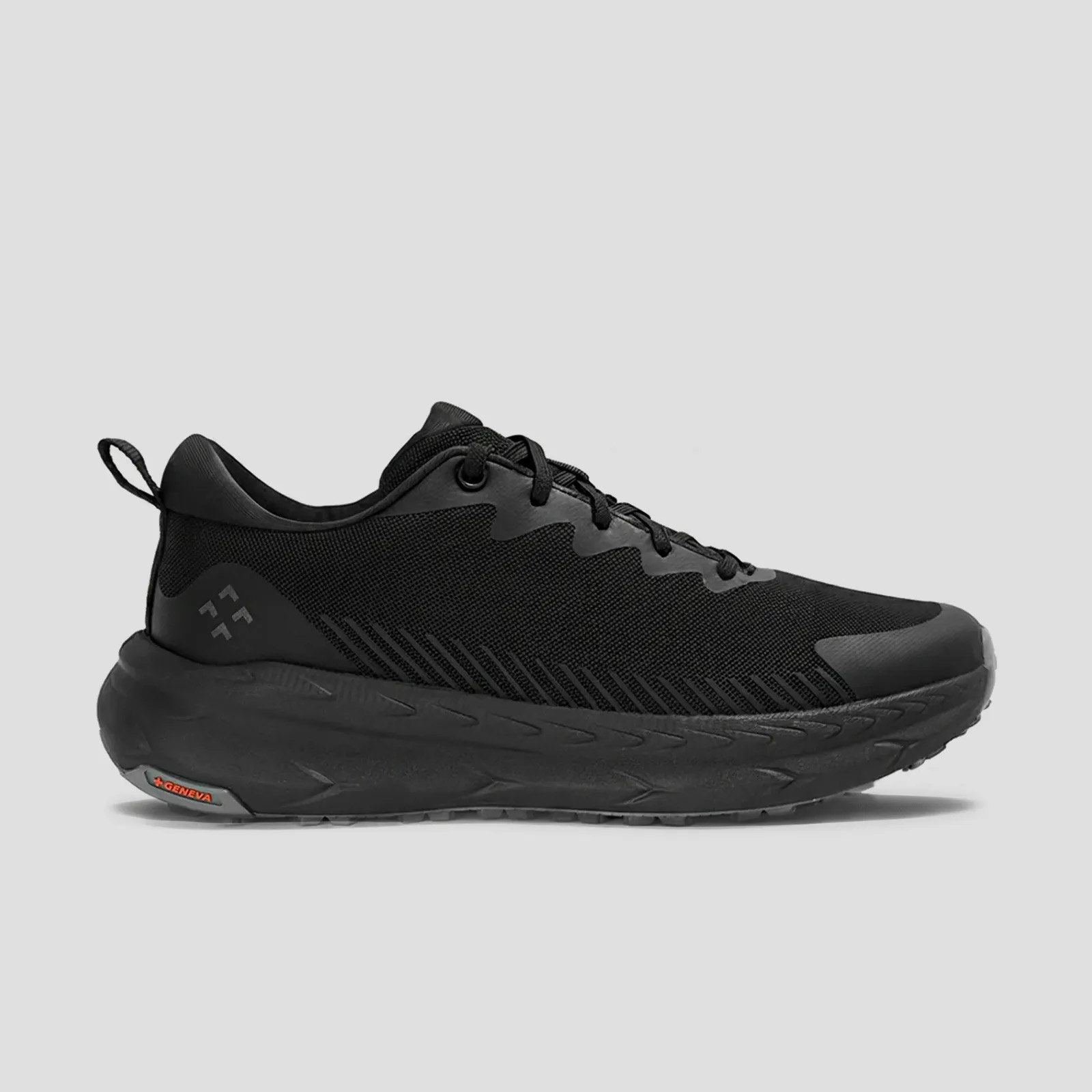
04
Soporte ARC-H™ · Sistema de arco y talón
ARC-H™
APOYO
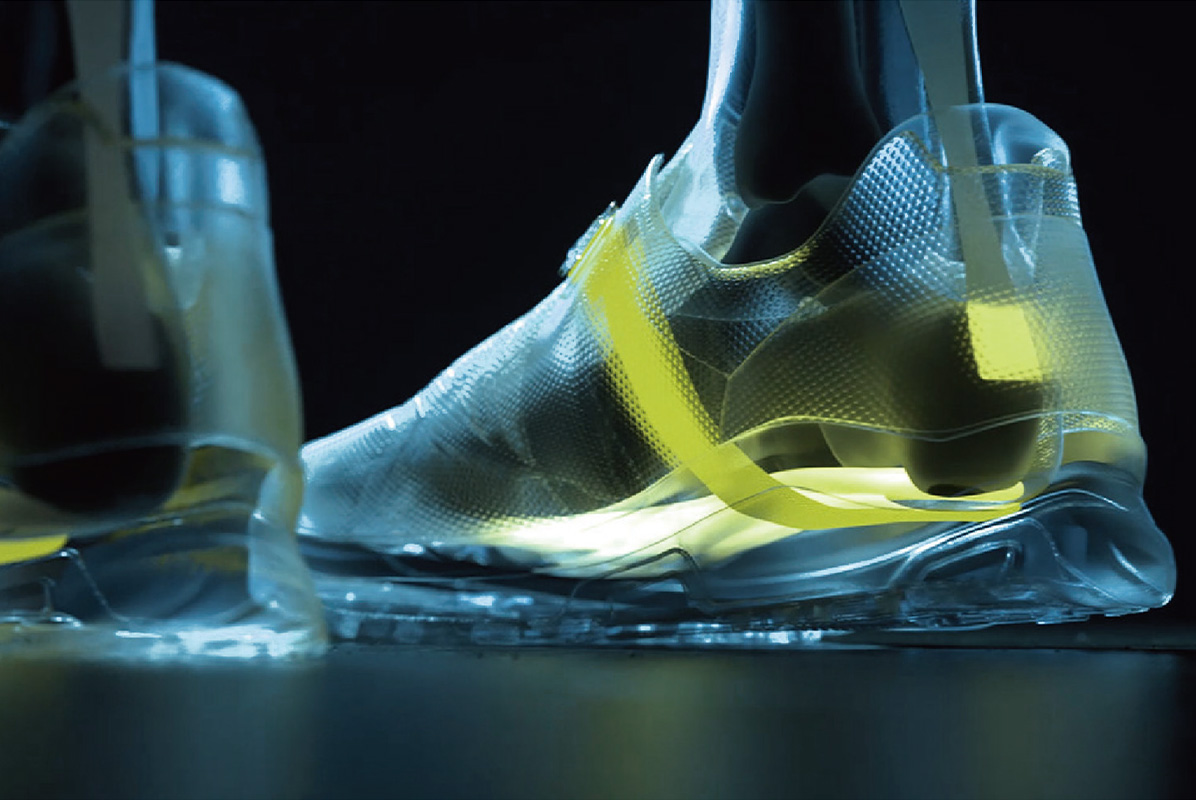
Sistema de soporte para el arco y el talón diseñado biomecánicamente. Distribuye la carga plantar a lo largo de toda la plantilla. Reduce la fatiga en la fuente, no después de que ocurre.
Historia de origen · El problema
La fascitis plantar, el dolor en el talón y el colapso del arco representan más del 40% de las lesiones ocupacionales en los pies. La mayoría de las plantillas abordan los síntomas.ARC-H™ aborda los mecanismos que los provocan.
Derivado de datos de mapeo de carga ortopédica en 12 entornos profesionales, ARC-H™ es un sistema de puente de arco de doble densidad y copa de talón integrado directamente en la construcción del zapato —no se añade posteriormente como un inserto extraíble.
"Incorporado en el zapato, no añadido. Porque tu sistema de soporte no debería ser opcional."
Especificaciones técnicas
12
Entornos profesionales mapeados
-40%
Reducción de la carga plantar
2
Zonas de densidad (arco + talón)
ACERCA DE
Referencia ortopédica
Aplicado en
Mapeo de cargas ortopédicas
La geometría ARC-H™ se derivó de datos de mapeo de presión recopilados en 12 entornos profesionales — atención médica, construcción, servicio de alimentos — para reflejar la distribución de carga plantar en el mundo real, no promedios de laboratorio.
Construcción integrada
ARC-H™ no es una plantilla extraíble. El puente del arco y la copa del talón están integrados en la capa estructural de la entresuela, proporcionando un soporte constante que no puede comprimirse, desplazarse o ser retirado accidentalmente.
Sistema de doble densidad
Dos zonas distintas: un puente de arco más firme para la estabilidad lateral y una copa de talón más suave para la absorción de impactos, trabajan juntas como un único sistema biomecánico en lugar de competir por la conformidad.
Destacado en ARC-H™ Support — Serie Ginebra
Ver todos los zapatos de trabajo →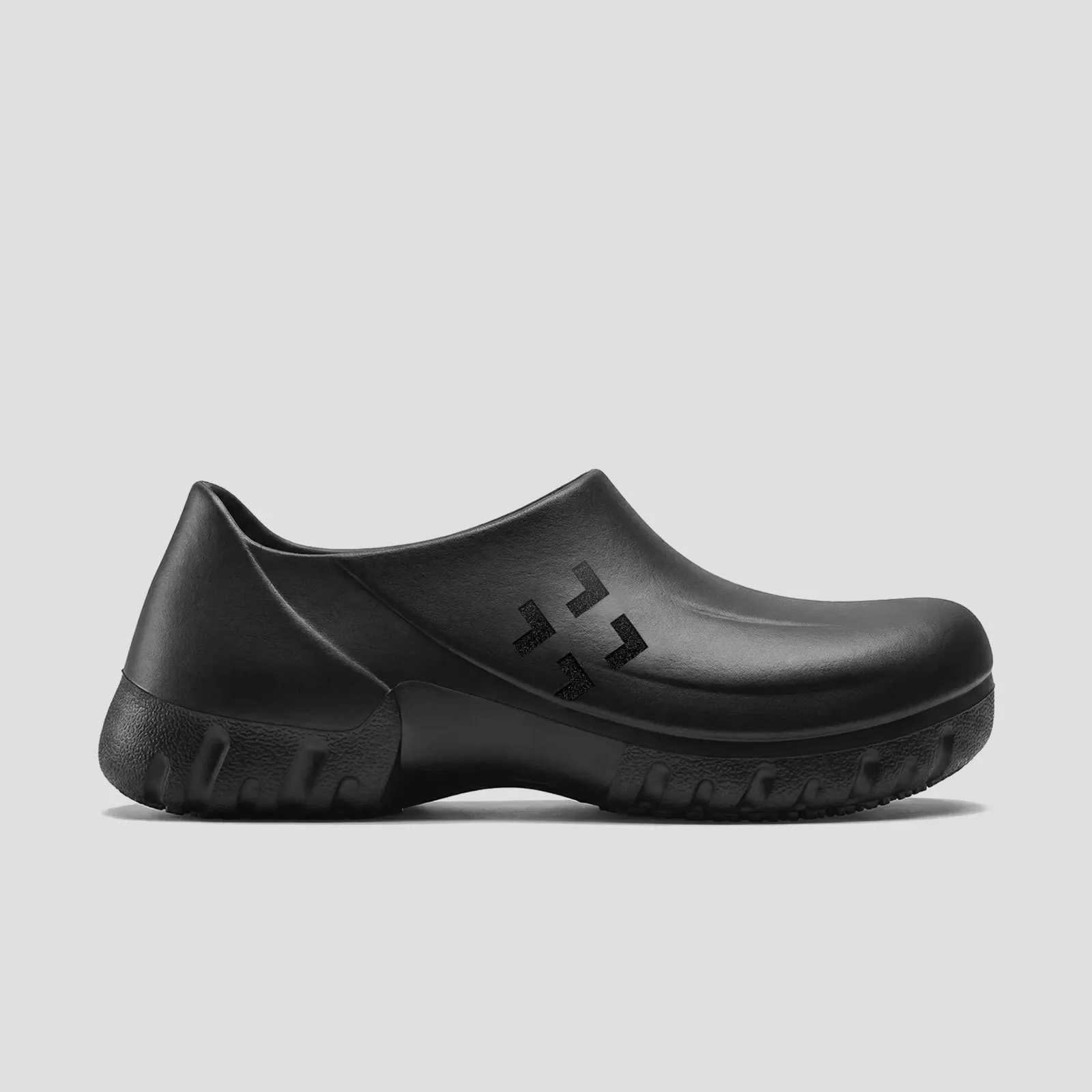
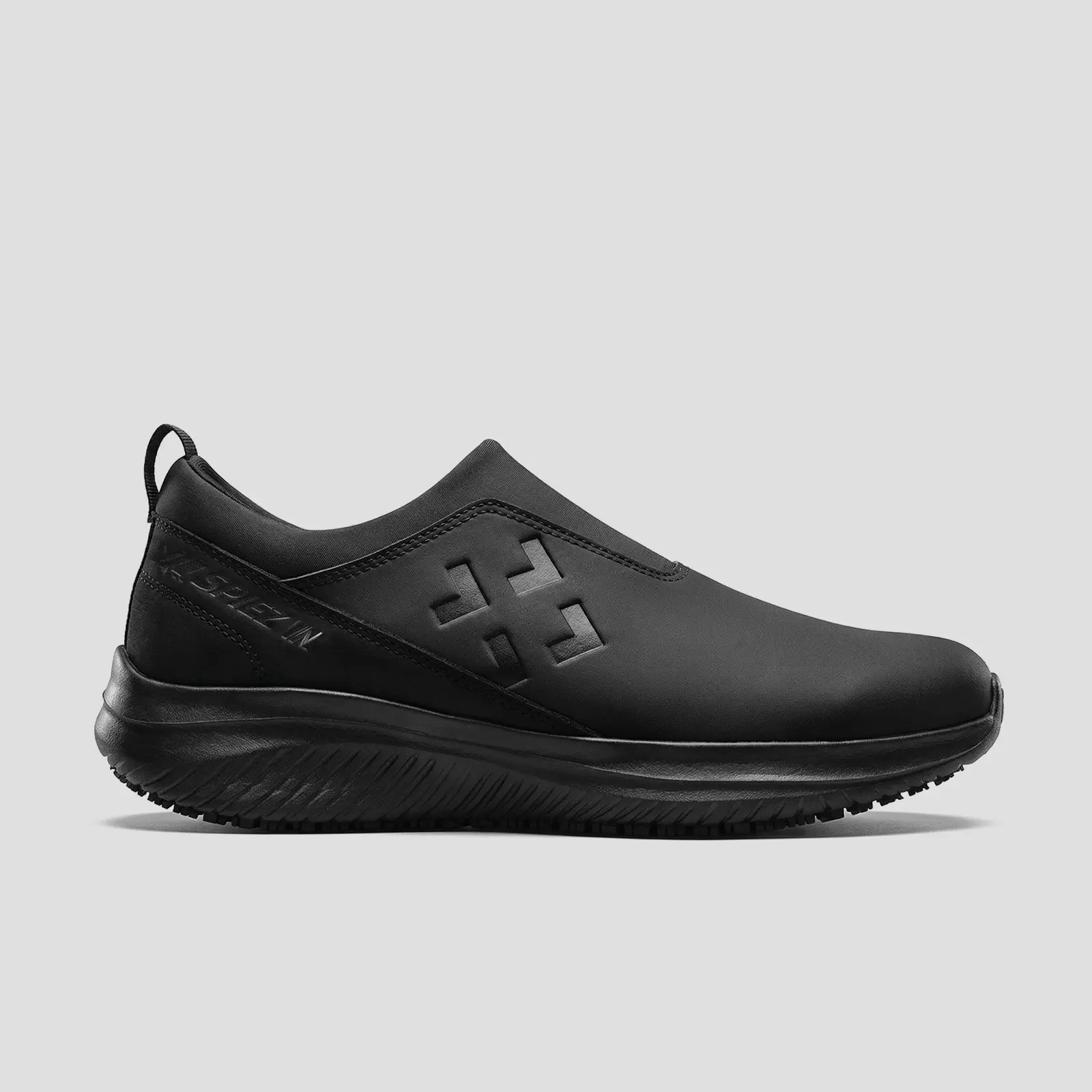
La prueba
NO CERTIFICADO
PORQUE NOSOTROS
TENÍA QUE HACERLO.
Las certificaciones de seguridad no son un simple requisito en SPIEZ. Son el mínimo que las personas que usan nuestros zapatos tienen derecho a esperar. Doble certificación: estándares americanos y europeos.
ASTM
ASTM F2413 — Norma de seguridad estadounidense
Resistencia al impacto, protección contra compresión, guardia metatarsal. El estándar completo de calzado ocupacional de América del Norte.
EN ISO
EN ISO 20345: norma europea de seguridad
La clasificación más alta de calzado profesional de la UE. Requerido en sitios de construcción en 27 países.
SRC
Clase de resistencia al deslizamiento SRC
Clasificación de resistencia al deslizamiento más alta: azulejo de cerámica con solución SLS y suelo de acero con glicerol.
ESD
Protección contra descargas electrostáticas
Probado para prevenir la acumulación de electricidad estática — crítico en la fabricación de electrónica y en entornos explosivos.
Tecnología en acción
CONSTRUIDO PARA EL
LOS QUECONSTRUIR.
Cada tecnología. Ambas certificaciones. Diseñado para el cambio, no para el estante.
Compra la colección